

















Animals I Could Beat in a Fight: The Full Tier List
Every internet argument eventually turns into this one: could you take a goose in a fight? A chimp? A honey badger? We dug through the forum threads, the drunk debates, and the "actually, bears are faster than you think" PSAs to build a consensus ranking of 34 animals by how winnable a fight with one actually is.
This isn't about who's "scarier" on paper. It's about a real, bare-handed scrap, you versus the animal, no weapons, no team of friends. Some of these are embarrassing to lose to. Some you were never going to win. Rank it yourself and see where you disagree, because the comment section always does.
The tier list
The community’s tier list fills in as members vote. It appears once 5 members have ranked or voted on these.
Think you can rank them better?
Make your own tier listFree account. Your ranking stays private unless you share it, and it counts toward the community tier list.Vote
SS Tier: Don't even think about it
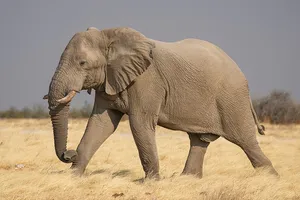
African Elephant
Several tons of muscle that can run faster than you and has killed people just by being annoyed at them. There's no clever angle here, you're not winning, you're hoping it loses interest.
About African Elephant
The largest living land animal, native to sub-Saharan Africa, known for its size, intelligence, and strength.
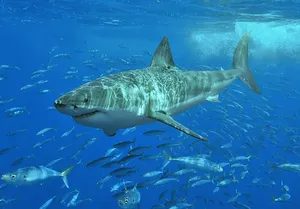
Great White Shark
Take away the water and you've got a fighting chance, but the fight happens in its world, not yours. A single bite can end this before you've even raised your fists.
About Great White Shark
A large predatory shark found in coastal waters worldwide, known for its size, power, and role as an apex ocean predator.
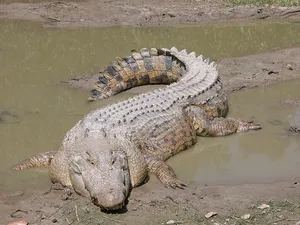
Saltwater Crocodile
Strongest bite force of any living animal and a death roll that turns a fight into a formality. These things eat things your size for breakfast, literally.
About Saltwater Crocodile
The largest living reptile, found in Australia and parts of Asia, known for the strongest bite force of any animal and ambush hunting.
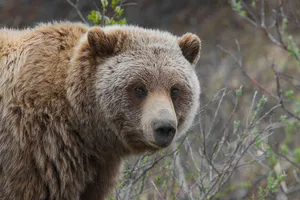
Grizzly Bear
Bigger, faster, stronger, and armed with claws that can open a car door. The only debate here is how fast it ends, not whether you win.
About Grizzly Bear
A large subspecies of brown bear found in North America, known for size, speed, and powerful claws.
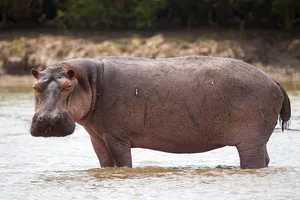
Hippopotamus
Looks slow and goofy until you remember it's one of the most dangerous animals in Africa by body count. Those jaws can snap you in half and it's surprisingly quick on land.
About Hippopotamus
A large semi-aquatic mammal native to sub-Saharan Africa, considered one of the continent's most dangerous animals to humans.
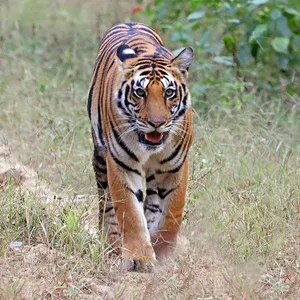
Tiger
Bigger than a lion, just as deadly, and built to take down prey many times its own weight. Not a contest.
About Tiger
The largest living cat species, found across parts of Asia, known for solitary hunting and immense physical power.
AA Tier: You're probably losing this one
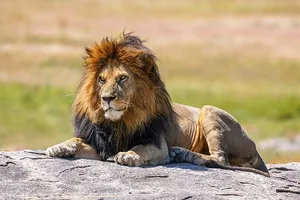
Lion
Apex predator with a pride mentality, meaning it's used to fighting as a team even when it's solo. You might get a punch in before the claws end the conversation.
About Lion
A large social big cat native to sub-Saharan Africa (with a small population in India), known for pride-based hunting and status as an apex predator.
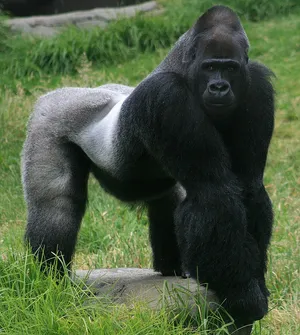
Gorilla
Pound for pound one of the strongest animals on earth, with arms that can bend steel-ish bars and a bite that outguns most predators. Calm temperament works in your favor, until it doesn't.
About Gorilla
The largest living primate, native to central African forests, known for immense strength and generally calm temperament.
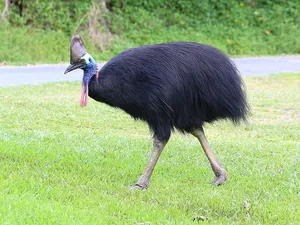
Cassowary
Often called the most dangerous bird alive, and that dagger-like inner claw has reportedly killed people. Fast, territorial, and built like a feathered kickboxer.
About Cassowary
A large flightless bird native to Australia and New Guinea, often cited as the world's most dangerous bird.
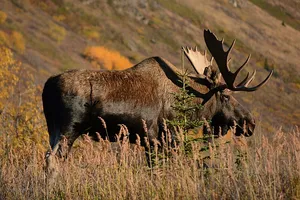
Moose
Bigger than a horse, antlers like spears, and genuinely aggressive during rut season. People underrate this one until they see how fast 1,500 pounds can move.
About Moose
The largest member of the deer family, found in North America and parts of Europe and Asia, known for its size and antlers.
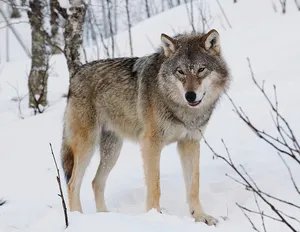
Gray Wolf
Not the biggest predator on this list, but built for exactly this kind of fight: speed, bite force, and the instinct to go for vulnerable spots. One-on-one it's close, but the wolf knows more tricks.
About Gray Wolf
A large wild canine found across North America, Europe, and Asia, known for pack hunting and strong bite force.
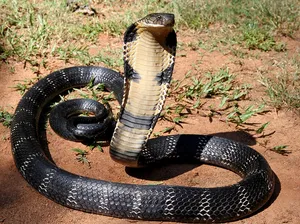
King Cobra
You might actually outrun or outmaneuver it, but one bite from the world's longest venomous snake and the fight's basically already over. Speed of reaction matters more than strength here.
About King Cobra
The world's longest venomous snake, found in South and Southeast Asia, known for potent venom and intimidating hood display.
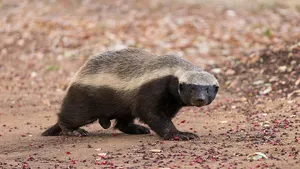
Honey Badger
The internet isn't exaggerating. This animal has a reputation for fighting lions and shrugging off venom that'd drop a human, and it does not know when to quit. Fans are split on honey badger versus wolverine, we're taking the badger.
About Honey Badger
A small, ferocious mammal found in Africa and parts of Asia, famous for its fearlessness against much larger predators.
BB Tier: Toss-up, bring your A-game
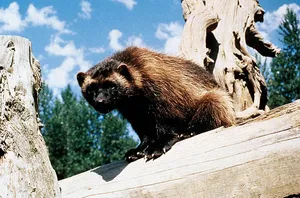
Wolverine
Ferocious and strong for its size, with a bite that can crush bone, but it's still roughly the size of a medium dog. Brutal, but beatable if you can use your reach and weight advantage.
About Wolverine
The largest land-dwelling species in the weasel family, found in cold northern regions, known for strength and tenacity relative to its size.
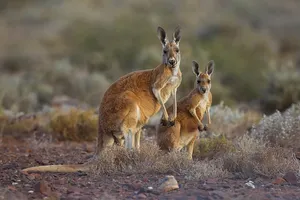
Kangaroo
Those legs aren't just for hopping, a kangaroo kick can seriously injure you, and they box with their forearms when cornered. Big red kangaroos have reach and power that surprise people who only know them from cartoons.
About Kangaroo
A large hopping marsupial native to Australia, known for powerful hind legs and boxing-style forearm strikes.
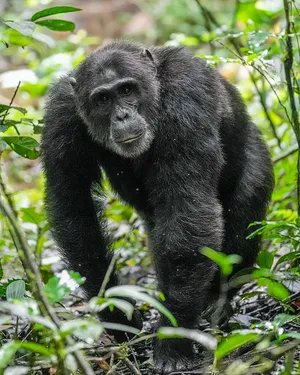
Chimpanzee
Smaller than a gorilla but disturbingly strong and unpredictable, with a documented willingness to bite and tear. Don't let the human-like face fool you into thinking this is a fair, calm fight.
About Chimpanzee
A highly intelligent great ape native to Africa, notable for strength well beyond its size and complex social behavior.
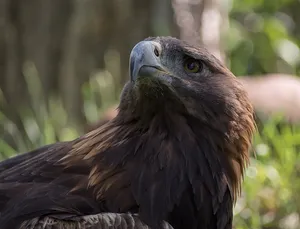
Golden Eagle
Talons that can grip with serious crushing force and a dive attack you won't see coming from a standing fight. On the ground it loses most of its advantage, which is the only reason it's not higher.
About Golden Eagle
A large bird of prey found across the Northern Hemisphere, known for powerful talons and high-speed hunting dives.
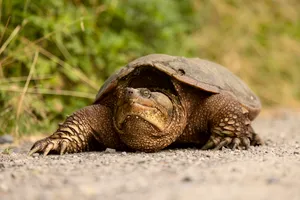
Snapping Turtle
Slow to chase you, impossible to ignore once it latches on. That beak and neck strike are fast, and a solid bite can take a finger. Respect the shell, respect the reach of that neck more.</br>
About Snapping Turtle
A freshwater turtle native to the Americas, known for its powerful jaw and willingness to strike when threatened.
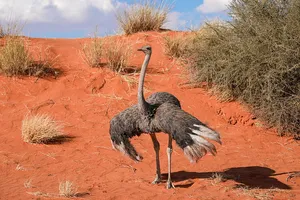
Ostrich
Can't fly but can run around 45 mph and kicks hard enough to injure or kill a lion. Keep your distance and this fight never starts, which tells you everything about how it goes if it does.
About Ostrich
The largest living bird, native to Africa, known for its running speed and powerful, dangerous kicks.
CC Tier: Winnable but you'll earn it
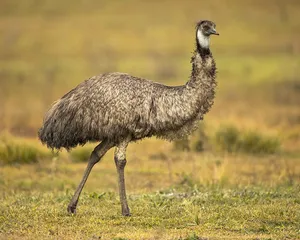
Emu
Less dangerous than its cassowary cousin, but still fast, tall, and armed with sharp claws on powerful legs. Famously won a literal war against the Australian army, on reputation alone it edges into the toss-up zone.
About Emu
The second-largest living bird, native to Australia, known for speed and famously winning a conflict against human efforts to control its population in the 1930s.
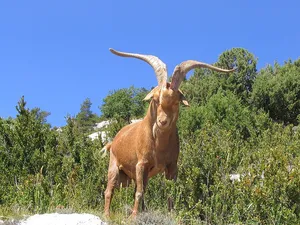
Goat
Headbutts hurt more than people expect, and a determined goat doesn't back down easily. Still, weight and horns only get it so far against a human who knows to grab and control.
About Goat
A domesticated mammal raised for milk, meat, and fiber worldwide. Known for headbutting and a stubborn streak.
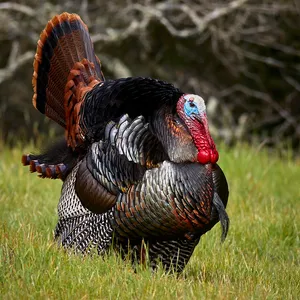
Wild Turkey
Surprisingly aggressive and will actually charge, spur first, if it decides you're a threat. More of a nuisance fight than a dangerous one, but don't laugh it off completely.
About Wild Turkey
A large North American game bird, ancestor of the domestic turkey, known for surprising speed and occasional aggression toward humans.

Mute Swan
Powerful wings that can genuinely bruise or break something if it connects right, and an attitude to match. Still just a bird you can control at arm's length once you get past the initial surprise.
About Mute Swan
A large waterfowl species found across Europe and introduced elsewhere, known for territorial aggression and powerful wings.
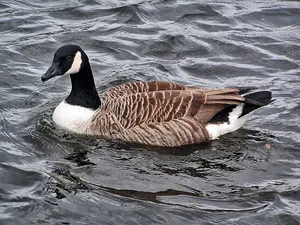
Canada Goose
Everyone has a story. Hisses, charges, wing-slaps, and somehow still wins the psychological battle before the physical one even starts. Beatable, but it's going to be a loud, undignified fight.
About Canada Goose
A large North American waterfowl known for aggressive territorial behavior, especially near nesting sites. Common in parks and golf courses across the US and Canada.
- Wingspan
- Around 7-9 feet (males) or 5.5-6.5 feet (females)
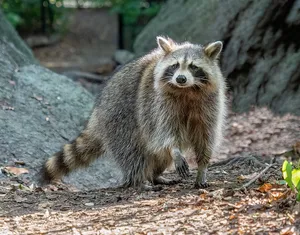
Raccoon
Small but scrappy, with sharp claws and teeth and a willingness to use both if cornered. Most raccoons will run rather than fight, but the ones that don't make you work for it.
About Raccoon
A nocturnal, highly dexterous mammal native to North America, known for raiding trash cans and surprising aggression when cornered.
DD Tier: Should be easy, mind the surprise
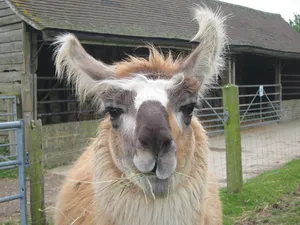
Llama
Can kick and spit with attitude, and its size gives it a puncher's chance, but llamas aren't naturally aggressive toward humans. This should go your way without much drama.
About Llama
A domesticated South American camelid used historically as a pack animal, known for spitting when annoyed.
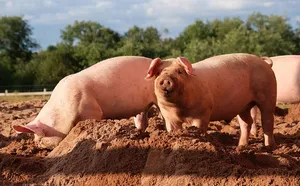
Pig
A full-grown pig has real weight and a surprisingly strong bite, but it's not built to fight you and usually won't try. Mostly a wrestling match against something that'd rather be eating.
About Pig
A domesticated mammal raised worldwide for meat, known for intelligence and surprising size at full growth.
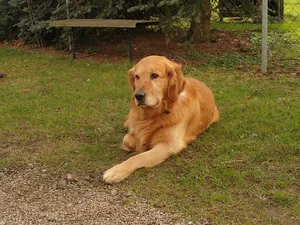
Golden Retriever
Strong jaws and a solid frame, but a temperament that's famously the opposite of a fighter. This one ends with a belly rub more often than a bite.
About Golden Retriever
A large, friendly dog breed originally bred for retrieving game. Known for gentle temperament and loyalty rather than aggression.
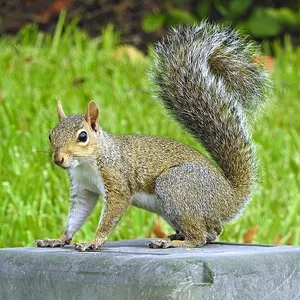
Squirrel
Fast and twitchy, with little claws that can scratch, but there's just not enough animal here to make it a real fight. The hardest part is catching it.
About Squirrel
A small, agile rodent found in forests and cities alike. Mostly harmless, known for hoarding nuts and darting unpredictably.
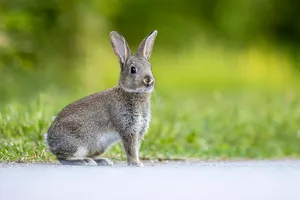
Rabbit
Strong kick for its size and sharp enough nails to scratch, but it's a small prey animal built to flee, not fight. You win this one just by closing the distance.
About Rabbit
A small, fast prey mammal found worldwide, both wild and domesticated, known for fleeing rather than fighting.
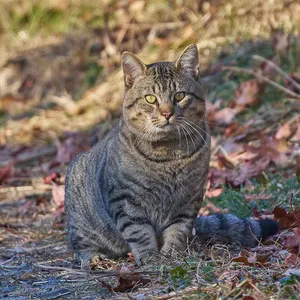
House Cat
Claws and teeth can do real damage up close, and cats fight dirty when cornered, but size alone puts this solidly in your favor. Fans argue cat versus rabbit a lot, we give the edge here to the cat for sheer attitude, still a clear win for you either way.
About House Cat
The common domestic cat, a small predator kept as a pet worldwide. Sharp claws and teeth but limited by small size.
FF Tier: Free win, don't brag about it
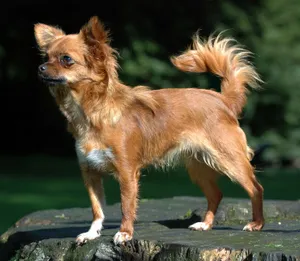
Chihuahua
All bark, minimal bite, and a body you could gently relocate with one hand. The only risk is tripping over it.
About Chihuahua
One of the smallest dog breeds, originating in Mexico, known for a big personality in a tiny body.
- Typical weight
- Under 6 lbs
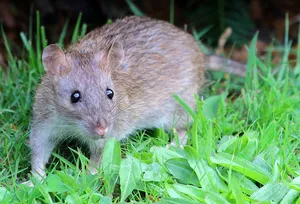
Rat
Quick and a little gross if it bites, but there's nothing here that threatens a grown human in a straight fight. Hardest part is the ick factor, not the animal.
About Rat
A small rodent found in nearly every urban environment on earth. Quick, adaptable, and more of a hygiene concern than a physical threat.
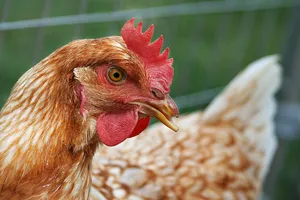
Chicken
Flaps, squawks, maybe a peck if you're unlucky. This is the fight you pick when you need your confidence back.
About Chicken
A domesticated fowl kept worldwide for eggs and meat. Known for being skittish, flappy, and generally harmless to adult humans.
- Flight
- Minimal, short bursts only
How we ranked them
We ranked every animal by realistic fight outcome in a one-on-one, no-weapons scenario: size, speed, strength, teeth/claws, temperament, and how much that animal actually wants to hurt you. Where fan consensus was strong (geese are a menace, elephants are not beatable) we went with it. Where opinions split, like house cat versus rabbit or wolverine versus honey badger, we picked a side and explained why.
Think we got it wrong?
Drag all 34 animals i could beat in a fight into your own tier list, then download the image or share a link.
Rank these yourselfFAQ
What animal would be hardest to beat in a fight?
Based on consensus, the saltwater crocodile, great white shark, and grizzly bear top the list. All three combine size, strength, and weapons (bite force, claws) that make a fair fight basically impossible for an unarmed human.
Could you actually beat a honey badger in a fight?
It's close and debated. Honey badgers are famous for fighting animals much bigger than themselves and shrugging off injuries that would stop most predators, so we rank it in the 'you're probably losing' tier.
Is a goose really dangerous to fight?
Not dangerous in the sense of serious injury risk for most adults, but Canada geese are aggressive, persistent, and will genuinely hurt your pride and your arms with wing strikes and bites.
What's the easiest animal on the list to beat?
The chicken. It has no real weapons, no size, and no instinct to seriously fight a human.
Do fans agree on wolverine versus honey badger?
No, this is one of the most argued match-ups in the research. We sided with the honey badger for its documented fearlessness against much larger animals, but plenty of fans back the wolverine's raw bite force.
More rankings
Image credits
- African ElephantPhoto: Giles Laurent, CC BY-SA 4.0 (Wikimedia Commons) · License · Source
- Great White SharkPhoto: Pterantula (Terry Goss) at en.wikipedia, CC BY 2.5 (Wikimedia Commons) · License · Source
- Saltwater CrocodilePhoto: Obtained from Molly Ebersold of the St. Augustine Alligator Farm, Public domain (Wikimedia Commons) · Source
- Grizzly BearPhoto: Gregory "Slobirdr" Smith, CC BY-SA 2.0 (Wikimedia Commons) · License · Source
- HippopotamusPhoto: Muhammad Mahdi Karim, CC BY-SA 4.0 (Wikimedia Commons) · License · Source
- TigerPhoto: Charles J. Sharp, CC BY-SA 4.0 (Wikimedia Commons) · License · Source
- LionPhoto: Giles Laurent, CC BY-SA 4.0 (Wikimedia Commons) · License · Source
- GorillaPhoto: Brocken Inaglory, CC BY-SA 3.0 (Wikimedia Commons) · License · Source
- CassowaryPhoto: Summerdrought, CC BY-SA 4.0 (Wikimedia Commons) · License · Source
- MoosePhoto: Paxson Woelber, CC BY-SA 4.0 (Wikimedia Commons) · License · Source
- Gray WolfPhoto: User:Mas3cf, CC BY-SA 4.0 (Wikimedia Commons) · License · Source
- King CobraPhoto: Michael Allen Smith from Seattle, USA, CC BY-SA 2.0 (Wikimedia Commons) · License · Source
- Honey BadgerPhoto: Sumeet Moghe, CC BY-SA 4.0 (Wikimedia Commons) · License · Source
- WolverinePhoto: Jeffrey C. Lewis, Public domain (Wikimedia Commons) · Source
- KangarooPhoto: PotMart186, CC BY-SA 4.0 (Wikimedia Commons) · License · Source
- ChimpanzeePhoto: Giles Laurent, CC BY-SA 4.0 (Wikimedia Commons) · License · Source
- Golden EaglePhoto: Rhododendrites, CC BY-SA 4.0 (Wikimedia Commons) · License · Source
- Snapping TurtlePhoto: Chuck Homler, Focus On Wildlife, CC BY-SA 4.0 (Wikimedia Commons) · License · Source
- OstrichPhoto: Giles Laurent, CC BY-SA 4.0 (Wikimedia Commons) · License · Source
- EmuPhoto: JJ Harrison (https://www.jjharrison.com.au/), CC BY-SA 4.0 (Wikimedia Commons) · License · Source
- GoatPhoto: Dirk Beyer, CC BY-SA 3.0 (Wikimedia Commons) · License · Source
- Wild TurkeyPhoto: Frank Schulenburg, CC BY-SA 4.0 (Wikimedia Commons) · License · Source
- Mute SwanPhoto: Giles Laurent, CC BY-SA 4.0 (Wikimedia Commons) · License · Source
- Canada GoosePhoto: Karrackoo, CC BY-SA 3.0 (Wikimedia Commons) · License · Source
- RaccoonPhoto: Rhododendrites, CC BY-SA 4.0 (Wikimedia Commons) · License · Source
- LlamaPhoto: Oast House Archive, CC BY-SA 2.0 (Wikimedia Commons) · License · Source
- PigPhoto: kallerna, CC BY-SA 4.0 (Wikimedia Commons) · License · Source
- Golden RetrieverPhoto: Barras, CC BY 3.0 (Wikimedia Commons) · License · Source
- SquirrelPhoto: JeffreyGammon, CC BY-SA 4.0 (Wikimedia Commons) · License · Source
- RabbitPhoto: Alexis Lours, CC BY 4.0 (Wikimedia Commons) · License · Source
- House CatPhoto: Paul Danese, CC BY-SA 4.0 (Wikimedia Commons) · License · Source
- ChihuahuaPhoto: Bonnie van den Born, http://www.bonfoto.nl. The original uploader was Cwazi at Dutch Wikipedia., CC BY-SA 3.0 (Wikimedia Commons) · License · Source
- RatPhoto: Dunpharlain, CC BY-SA 4.0 (Wikimedia Commons) · License · Source
- ChickenPhoto: Thegreenj, CC BY-SA 3.0 (Wikimedia Commons) · License · Source