




Presidents of the United States: The Ultimate Tier List
Forty-five men, one job, wildly different results. We're ranking every U.S. president from the guy who set the template to the ones who'd rather forget their four (or less) years in office.
This list leans on how historians and regular folks tend to argue about these guys online and in classrooms: wars won or bungled, economies saved or tanked, scandals, vetoes, and the occasional constitutional crisis. We weighted impact and competence over good intentions. Disagree with where we put your guy? That's half the fun. Argue with us.
The tier list
The community’s tier list fills in as members vote. It appears once 5 members have ranked or voted on these.
Think you can rank them better?
Make your own tier listFree account. Your ranking stays private unless you share it, and it counts toward the community tier list.Vote
SS Tier: The ones who defined the office
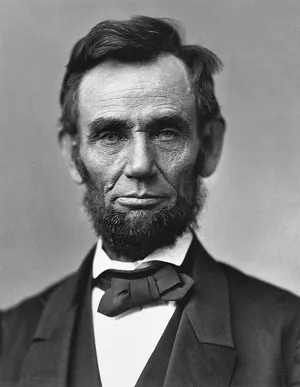
Abraham Lincoln
Held the country together through the Civil War, ended slavery with the Emancipation Proclamation and the 13th Amendment, and got assassinated for it days after the war ended. Nobody else on this list faced a harder job and did it better.
About Abraham Lincoln
16th President, led the Union through the Civil War and issued the Emancipation Proclamation. Assassinated in 1865 just after the war's end.
- Term
- 1861-1865
- Party
- Republican
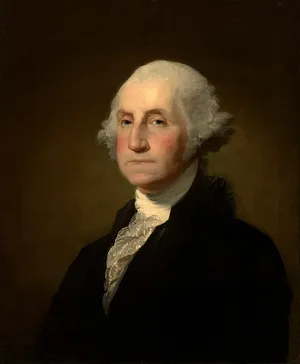
George Washington
Could have been king. Walked away after two terms instead and set the precedent that still shapes the office. The Farewell Address alone is worth studying, but the real genius was proving the whole experiment could survive a peaceful transfer of power.
About George Washington
First President of the United States and commander of the Continental Army during the Revolutionary War. Set foundational precedents including the two-term tradition.
- Term
- 1789-1797
- Party
- None
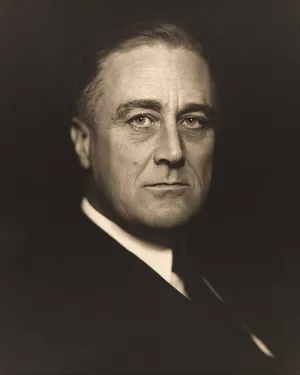
Franklin D. Roosevelt
Four terms, the New Deal, and victory in World War II. You can argue about the scope of government he built, but you can't argue he didn't reshape America more than almost anyone else on this list.
About Franklin D. Roosevelt
32nd President, led the country through the Great Depression and most of World War II. The only president elected to more than two terms.
- Term
- 1933-1945
- Party
- Democratic
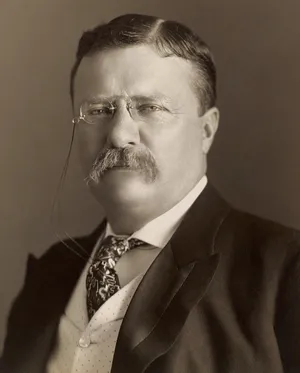
Theodore Roosevelt
Trust-busting, national parks, the Panama Canal, and a personality big enough to make the presidency feel like a national mood. He turned the office into something far more active and visible than it had been.
About Theodore Roosevelt
26th President of the United States, serving from 1901 to 1909. He became president after the assassination of William McKinley and was known for his progressive reforms, trust-busting, and conservation efforts. He was also a key figure in expanding the role of the United States on the world stage.
- Term
- 1901-1909
- Party
- Republican
- Predecessor
- William McKinley
- Notable
- Known for conservation policies and trust-busting
AA Tier: Genuinely great calls
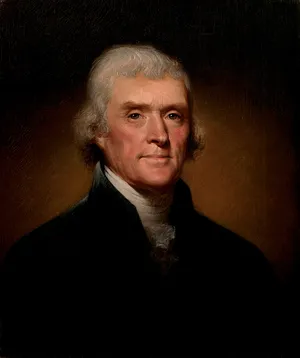
Thomas Jefferson
Wrote the Declaration of Independence and doubled the country's size with the Louisiana Purchase, even though it stretched his own strict reading of the Constitution. The slavery contradiction is real and worth sitting with, not ignoring.
About Thomas Jefferson
Thomas Jefferson was the 3rd President of the United States, serving from 1801 to 1809. He was the principal author of the Declaration of Independence and is known for the Louisiana Purchase, which doubled the size of the United States.
- Term
- 1801-1809
- Party
- Democratic-Republican
- Home State
- Virginia
- Known For
- Louisiana Purchase, Declaration of Independence
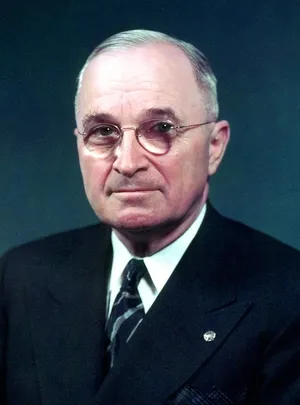
Harry S. Truman
Walked into the hardest inbox imaginable, ending World War II and starting the Cold War almost in the same breath. The Marshall Plan and NATO still shape the world; the atomic bomb decision still gets debated every year.
About Harry S. Truman
33rd President of the United States, serving from 1945 to 1953. He assumed office after the death of Franklin D. Roosevelt and made the decision to use atomic bombs against Japan, ending World War II. His presidency also saw the start of the Cold War and the Marshall Plan.
- Term
- 1945-1953
- Party
- Democratic
- Predecessor
- Franklin D. Roosevelt
- Notable
- Oversaw end of World War II
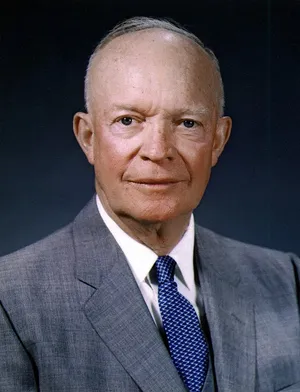
Dwight D. Eisenhower
Steady hand after a decade of war and depression. Built the interstate highway system, kept the Cold War cold, and warned the country about the military-industrial complex on his way out the door.
About Dwight D. Eisenhower
34th President of the United States, serving from 1953 to 1961. Before his presidency he was Supreme Commander of Allied forces in Europe during World War II. His administration oversaw the growth of the interstate highway system and navigated early Cold War tensions.
- Term
- 1953-1961
- Party
- Republican
- Vice President
- Richard Nixon
- Notable
- Former Supreme Allied Commander in WWII
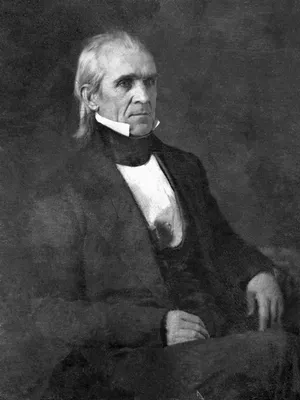
James K. Polk
Set four goals, hit all four, and left after one term like he promised. The Mexican-American War expanded the country enormously, though at real cost to Mexico and to the slavery debate he helped reignite.
About James K. Polk
James K. Polk was the 11th President of the United States, serving one term from 1845 to 1849. A Democrat from Tennessee, he is known for significantly expanding U.S. territory, including the annexation of Texas and the acquisition of the Southwest and California following the Mexican-American War.
- Term
- 1845-1849
- Party
- Democratic
- Home State
- Tennessee
- Known For
- Mexican-American War, westward expansion
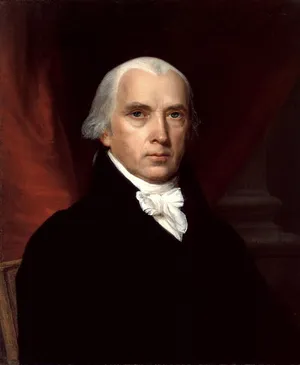
James Madison
Father of the Constitution first, imperfect wartime president second. The War of 1812 was a mess at times (they burned the White House), but he steered the young republic through it intact.
About James Madison
James Madison was the 4th President of the United States, serving from 1809 to 1817. Known as the 'Father of the Constitution' for his role in drafting it and the Bill of Rights, his presidency included the War of 1812.
- Term
- 1809-1817
- Party
- Democratic-Republican
- Home State
- Virginia
- Known For
- War of 1812, drafting the U.S. Constitution
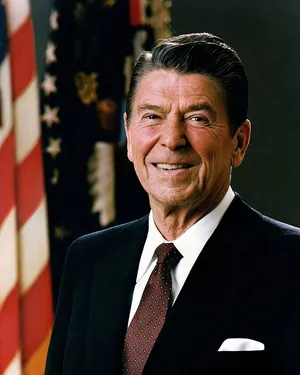
Ronald Reagan
Reshaped American politics for a generation, oversaw the end of the Cold War's hottest phase, and made optimism a governing style. Iran-Contra is a real stain, and the trickle-down economics debate hasn't ended.
About Ronald Reagan
40th President of the United States, serving from 1981 to 1989. A Republican and former actor and Governor of California, his presidency emphasized tax cuts and a strong anti-communist foreign policy.
- Term
- 1981-1989
- Party
- Republican
- Vice President
- George H. W. Bush
- Prior role
- Governor of California
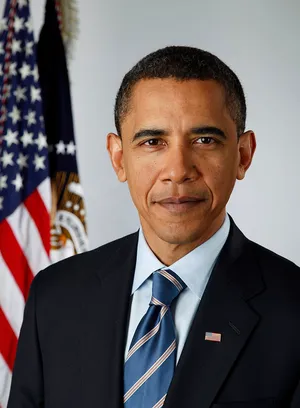
Barack Obama
Steered the country out of the 2008 financial crisis, passed the Affordable Care Act, and got Osama bin Laden. First Black president, a milestone that mattered far beyond policy.
About Barack Obama
44th President of the United States, serving from 2009 to 2017. He was the first African American president, and a Democrat who previously served as a U.S. Senator from Illinois.
- Term
- 2009-2017
- Party
- Democratic
- Vice President
- Joe Biden
- Notable
- First African American president
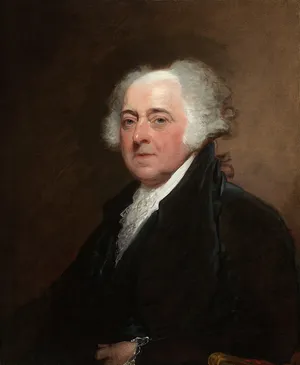
John Adams
Kept the U.S. out of a shooting war with France when everyone wanted one, which took more discipline than glory. The Alien and Sedition Acts were a genuine misstep that cost him politically.
About John Adams
John Adams was the 2nd President of the United States, serving from 1797 to 1801. A Founding Father and leading voice for independence, he previously served as the first Vice President under George Washington.
- Term
- 1797-1801
- Party
- Federalist
- Home State
- Massachusetts
- Known For
- Founding Father, first Vice President
BB Tier: Solid, with real asterisks
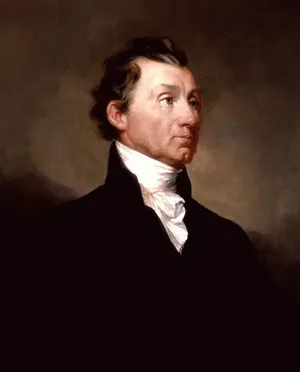
James Monroe
The 'Era of Good Feelings' guy. The Monroe Doctrine became a cornerstone of American foreign policy for a century, even if at the time it was more aspiration than enforceable fact.
About James Monroe
James Monroe was the 5th President of the United States, serving from 1817 to 1825. His presidency is known as the 'Era of Good Feelings' and for the Monroe Doctrine, which opposed European colonization in the Americas.
- Term
- 1817-1825
- Party
- Democratic-Republican
- Home State
- Virginia
- Known For
- Monroe Doctrine, Era of Good Feelings
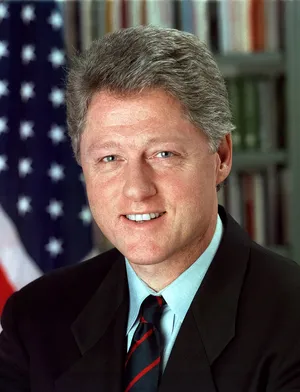
Bill Clinton
Presided over a booming economy and budget surpluses, then nearly torched it all with the Lewinsky scandal and impeachment. Welfare reform and NAFTA still split opinion down the middle.
About Bill Clinton
42nd President of the United States, serving from 1993 to 2001. A Democrat, he presided over a period of economic expansion and was impeached by the House in 1998, though acquitted by the Senate.
- Term
- 1993-2001
- Party
- Democratic
- Vice President
- Al Gore
- Prior role
- Governor of Arkansas
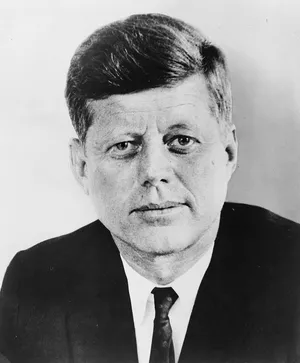
John F. Kennedy
The Cuban Missile Crisis is a masterclass in not blowing up the planet. The assassination froze him in amber as a symbol, which makes it easy to forget how short and unfinished his actual term was.
About John F. Kennedy
35th President of the United States, serving from 1961 until his assassination in 1963. He led the nation through Cold War crises including the Cuban Missile Crisis and championed the early space program. He was the youngest person elected president and the first Roman Catholic to hold the office.
- Term
- 1961-1963
- Party
- Democratic
- Vice President
- Lyndon B. Johnson
- Notable
- Assassinated in Dallas, Texas
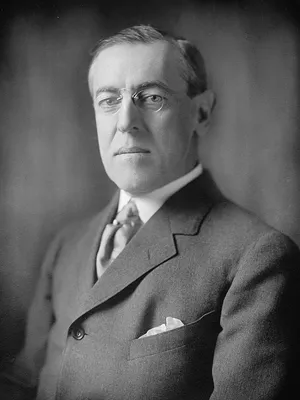
Woodrow Wilson
Led the U.S. through World War I and pushed the League of Nations, a noble idea Congress refused to buy. His record on civil rights and segregation in federal agencies is genuinely bad and deserves to be said plainly.
About Woodrow Wilson
28th President of the United States, serving from 1913 to 1921. He led the country through World War I and afterward promoted the League of Nations as part of his vision for peace. Before the presidency he was president of Princeton University and governor of New Jersey.
- Term
- 1913-1921
- Party
- Democratic
- Notable
- Led US through World War I
- Advocated for
- League of Nations
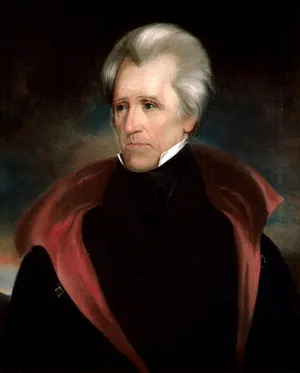
Andrew Jackson
Expanded democracy for the common (white) man and crushed the national bank, but the Indian Removal Act and the Trail of Tears are an atrocity that can't be footnoted away. Fans and critics are sharply split on him, and for good reason.
About Andrew Jackson
Andrew Jackson was the 7th President of the United States, serving from 1829 to 1837. A populist and military hero of the War of 1812, his presidency is noted for the expansion of democracy for white men as well as the controversial Indian Removal Act.
- Term
- 1829-1837
- Party
- Democratic
- Home State
- Tennessee
- Known For
- Indian Removal Act, Battle of New Orleans
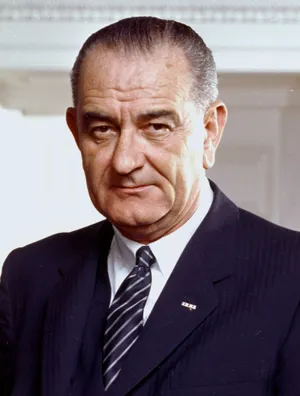
Lyndon B. Johnson
The Civil Rights Act and the Voting Rights Act are massive, era-defining achievements. Vietnam is the other half of the ledger, and it's a heavy one.
About Lyndon B. Johnson
36th President of the United States, serving from 1963 to 1969. A Democrat, he assumed office after the assassination of John F. Kennedy and later championed major civil rights legislation and the Great Society programs.
- Term
- 1963-1969
- Party
- Democratic
- Prior role
- Vice President under Kennedy
- Notable
- Civil Rights Act of 1964
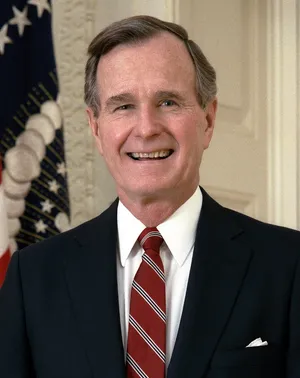
George H. W. Bush
Managed the end of the Cold War with real skill and built a genuine international coalition for the Gulf War. 'Read my lips, no new taxes' became the promise that broke his own reelection chances.
About George H. W. Bush
41st President of the United States, serving from 1989 to 1993. A Republican, he previously served as Vice President under Ronald Reagan and oversaw the Gulf War during his presidency.
- Term
- 1989-1993
- Party
- Republican
- Vice President
- Dan Quayle
- Prior role
- Vice President (1981-1989)
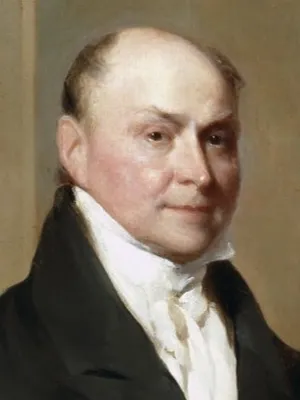
John Quincy Adams
A frustrating single term hampered by the 'corrupt bargain' accusations that followed him in, but his post-presidency run in Congress fighting slavery is some of the most respectable second-act work on this list.
About John Quincy Adams
John Quincy Adams was the 6th President of the United States, serving from 1825 to 1829. The son of President John Adams, he had a long career in public service before and after his presidency, including serving in the House of Representatives afterward.
- Term
- 1825-1829
- Party
- Democratic-Republican/National Republican
- Known For
- Son of John Adams, later served in Congress
- Prior Role
- Secretary of State, negotiated the Treaty of Ghent
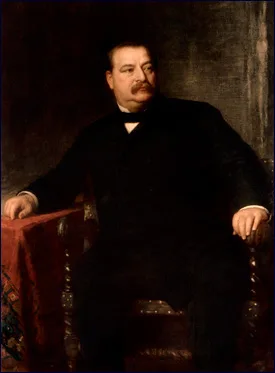
Grover Cleveland
The only president to serve two non-consecutive terms, which is a fun trivia answer and also a real sign of how unusual his career was. Honest to a fault, though his response to the Panic of 1893 left a lot to be desired.
About Grover Cleveland
22nd and 24th President of the United States, the only president to serve two non-consecutive terms. He was known for his honesty and conservative fiscal policies, and he opposed political corruption during the Gilded Age.
- Terms
- 1885-1889 and 1893-1897
- Party
- Democratic
- Notable
- Only president to serve two non-consecutive terms
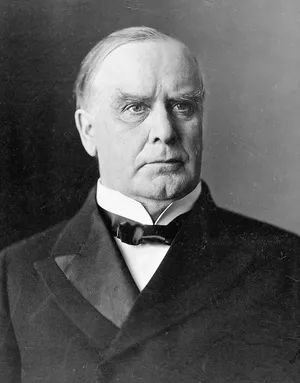
William McKinley
Won the Spanish-American War and turned the U.S. into an overseas colonial power almost overnight, which is a bigger deal historically than he usually gets credit for. Assassinated early in his second term, cutting the story short.
About William McKinley
25th President of the United States, serving from 1897 until his assassination in 1901. His presidency saw the Spanish-American War and the expansion of American territory, including the annexation of the Philippines and Puerto Rico.
- Term
- 1897-1901
- Party
- Republican
- Notable
- Assassinated in Buffalo, New York
- Associated war
- Spanish-American War
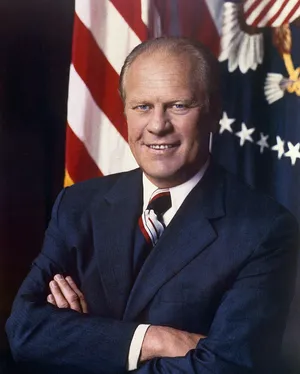
Gerald Ford
Walked into the Nixon wreckage and pardoned him, a call that cost Ford politically but probably helped the country move on faster. Never actually won a national election, which is its own strange footnote.
About Gerald Ford
38th President of the United States, serving from 1974 to 1977. A Republican, he is the only person to have served as president without being elected president or vice president, assuming office after Richard Nixon's resignation.
- Term
- 1974-1977
- Party
- Republican
- Vice President
- Nelson Rockefeller
- Notable
- Only president never elected president or VP
CC Tier: Mixed bags and missed chances
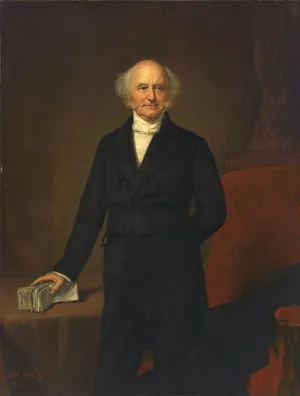
Martin Van Buren
Inherited Jackson's economic mess and got the Panic of 1837 for his trouble. A skilled political organizer who happened to be president at exactly the wrong moment.
About Martin Van Buren
Martin Van Buren was the 8th President of the United States, serving from 1837 to 1841. A key architect of the Democratic Party, his presidency was largely defined by the economic hardship of the Panic of 1837.
- Term
- 1837-1841
- Party
- Democratic
- Home State
- New York
- Known For
- Panic of 1837, founding the Democratic Party
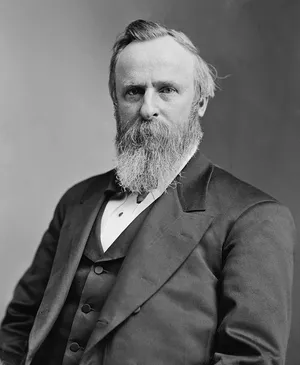
Rutherford B. Hayes
Won the disputed election of 1876 through a backroom deal that ended Reconstruction, which is a heavy legacy for anyone to carry. One term, as promised, and mostly forgettable aside from that.
About Rutherford B. Hayes
19th President of the United States, serving from 1877 to 1881. His election followed one of the most disputed elections in American history, resolved by the Compromise of 1877. His presidency marked the end of Reconstruction.
- Term
- 1877-1881
- Party
- Republican
- Notable
- Presidency marked the end of Reconstruction
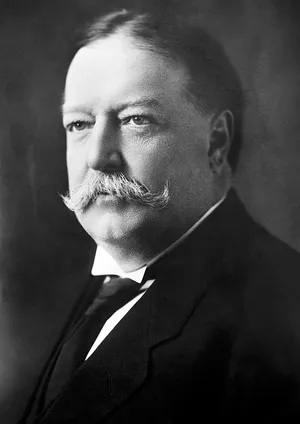
William Howard Taft
More trust-busting cases than Teddy Roosevelt, his old boss and friend, which eventually blew up their friendship. Went on to become Chief Justice, a job he reportedly preferred to the presidency.
About William Howard Taft
27th President of the United States, serving from 1909 to 1913. He later became Chief Justice of the United States, making him the only person to lead both the executive and judicial branches. His presidency followed that of Theodore Roosevelt, his political ally turned rival.
- Term
- 1909-1913
- Party
- Republican
- Later role
- Chief Justice of the United States
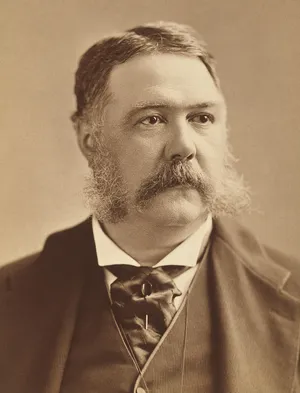
Chester A. Arthur
Nobody expected much from a guy who got the job after Garfield's assassination, and he quietly surprised everyone by pushing civil service reform. A genuinely underrated stretch that rarely gets its due.
About Chester A. Arthur
21st President of the United States, serving from 1881 to 1885. He assumed office after the assassination of James A. Garfield and surprised many by supporting civil service reform, including the Pendleton Civil Service Reform Act.
- Term
- 1881-1885
- Party
- Republican
- Predecessor
- James A. Garfield
- Notable
- Supported civil service reform
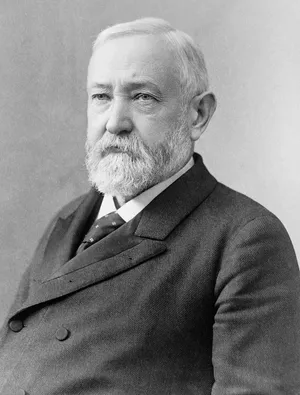
Benjamin Harrison
Sandwiched between Cleveland's two terms, he signed the Sherman Antitrust Act, an early and important swing at corporate power, even if enforcement lagged behind the law.
About Benjamin Harrison
23rd President of the United States, serving from 1889 to 1893. He was the grandson of former president William Henry Harrison. His term saw several western states admitted to the Union and the passage of the Sherman Antitrust Act.
- Term
- 1889-1893
- Party
- Republican
- Notable
- Grandson of William Henry Harrison
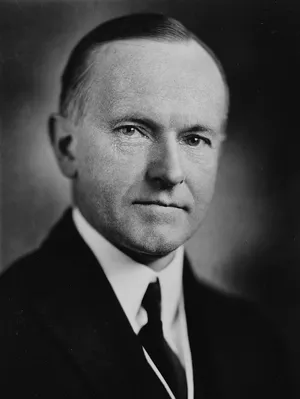
Calvin Coolidge
'Silent Cal' mostly got out of the way and let the Roaring Twenties roar, which looked great until it didn't. His hands-off approach gets some blame for setting up the conditions for the Depression.
About Calvin Coolidge
30th President of the United States, serving from 1923 to 1929. He took office after the death of Warren G. Harding and presided over a period of economic prosperity known as the Roaring Twenties. He was known for his quiet, reserved manner, earning the nickname 'Silent Cal'.
- Term
- 1923-1929
- Party
- Republican
- Predecessor
- Warren G. Harding
- Nickname
- Silent Cal
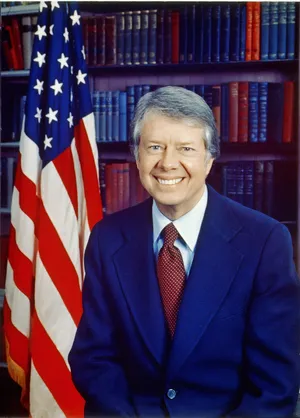
Jimmy Carter
The Iran hostage crisis and gas lines defined a rough term, but the Camp David Accords were a real diplomatic win. His post-presidency work with Habitat for Humanity arguably outshines the presidency itself.
About Jimmy Carter
39th President of the United States, serving from 1977 to 1981. A Democrat and former Governor of Georgia, he later won the Nobel Peace Prize in 2002 for his post-presidency humanitarian work.
- Term
- 1977-1981
- Party
- Democratic
- Vice President
- Walter Mondale
- Notable
- Nobel Peace Prize, 2002
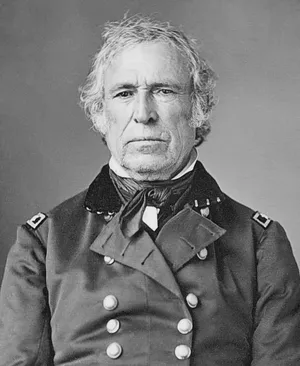
Zachary Taylor
A war hero elected on reputation with barely over a year in office before dying of illness. Too short a tenure to judge fairly, though what little record exists is unremarkable.
About Zachary Taylor
12th President of the United States, serving from 1849 until his death in office in 1850. He was a career military officer who gained fame as a general in the Mexican-American War before his brief presidency.
- Term
- 1849-1850
- Party
- Whig
- Notable
- Died in office
- Military background
- General in the Mexican-American War
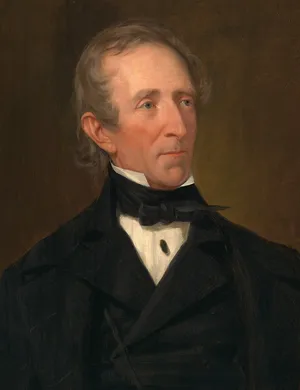
John Tyler
'His Accidency' took over after Harrison died and nobody in his own party wanted him afterward. Annexed Texas on his way out, a consequential move from an otherwise politically isolated president.
About John Tyler
John Tyler was the 10th President of the United States, serving from 1841 to 1845. He became president after William Henry Harrison died in office, the first vice president to assume the presidency this way, which set a precedent for presidential succession.
- Term
- 1841-1845
- Party
- Whig (later independent)
- Home State
- Virginia
- Known For
- First VP to succeed a president who died in office
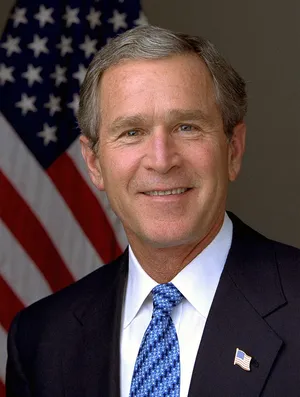
George W. Bush
September 11 reshaped his presidency and the country's security apparatus for good. The Iraq War, built on faulty WMD claims, remains the defining and most criticized decision of his two terms.
About George W. Bush
43rd President of the United States, serving from 2001 to 2009. A Republican, his presidency was marked by the September 11 attacks and the subsequent wars in Afghanistan and Iraq. He is the son of former President George H. W. Bush.
- Term
- 2001-2009
- Party
- Republican
- Vice President
- Dick Cheney
- Prior role
- Governor of Texas
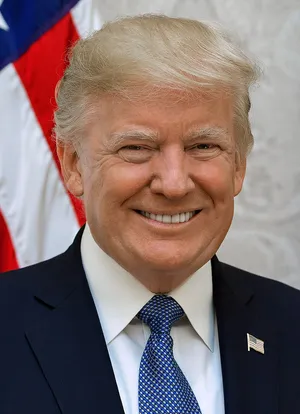
Donald Trump
Two impeachments, a trade war with China, and a presidency that ran on pure disruption. Supporters point to judicial appointments and deregulation; critics point to January 6 and the handling of COVID-19. Few presidents split opinion this hard, and we're putting that split on the record rather than pretending it isn't there.
About Donald Trump
45th President of the United States (2017-2021) and 47th President (since 2025), making him the second president to serve non-consecutive terms. A Republican and former businessman and television personality before entering politics.
- Terms
- 2017-2021, 2025-present
- Party
- Republican
- Background
- Businessman, real estate developer
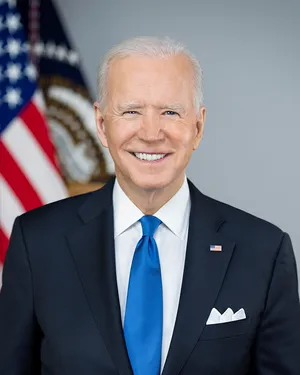
Joe Biden
Steered the country through the tail end of COVID-19 and passed major infrastructure legislation, but inflation and the chaotic Afghanistan withdrawal weighed heavily on public opinion. Still too recent for the dust to have settled on his final ranking.
About Joe Biden
46th President of the United States, serving from 2021 to 2025. A Democrat, he previously served as Vice President under Barack Obama and as a U.S. Senator from Delaware for decades before that.
- Term
- 2021-2025
- Party
- Democratic
- Vice President
- Kamala Harris
- Prior role
- 47th Vice President (2009-2017)
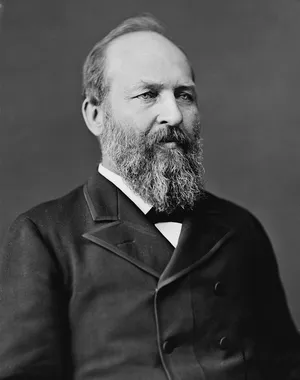
James A. Garfield
Garfield barely had time to govern before an assassin's bullet and botched medical care cut his presidency short at just 200 days. What little he did show, a commitment to civil service reform and anti corruption efforts, suggested real promise that never got the chance to play out. He lands in the middle tier on potential alone, an incomplete grade for an incomplete term.
About James A. Garfield
20th President of the United States, serving in 1881 until his assassination that same year. His presidency was cut short just months after taking office when he was shot by an assassin, dying later from his wounds.
- Term
- 1881
- Party
- Republican
- Notable
- Assassinated months into his term
DD Tier: Rough tenures, lasting damage
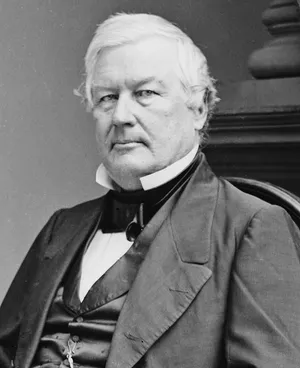
Millard Fillmore
Signed the Compromise of 1850, including the Fugitive Slave Act, trying to paper over the slavery crisis instead of confronting it. Kicked the can down the road and the road ran out a decade later.
About Millard Fillmore
13th President of the United States, serving from 1850 to 1853. He assumed office after the death of Zachary Taylor and signed the Compromise of 1850, a set of measures intended to ease tensions between free and slave states.
- Term
- 1850-1853
- Party
- Whig
- Predecessor
- Zachary Taylor
- Notable
- Signed the Compromise of 1850
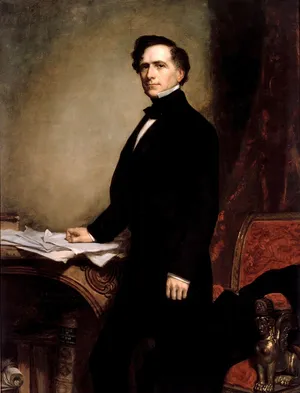
Franklin Pierce
The Kansas-Nebraska Act he signed reopened the slavery fight and helped set the stage for civil war. Widely seen by historians as one of the weaker occupants of the office, and the record backs that up.
About Franklin Pierce
14th President of the United States, serving from 1853 to 1857. His presidency was marked by sectional tensions over slavery, including controversy surrounding the Kansas-Nebraska Act.
- Term
- 1853-1857
- Party
- Democratic
- Notable
- Presided during rising tensions over slavery
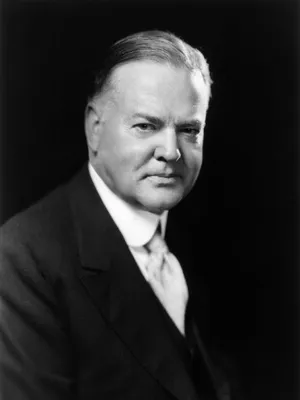
Herbert Hoover
The Great Depression hit on his watch and his response was too slow and too limited for the scale of the disaster. 'Hooverville' became slang for shantytown, which tells you how his name aged.
About Herbert Hoover
31st President of the United States, serving from 1929 to 1933. His presidency was dominated by the onset of the Great Depression following the 1929 stock market crash. Before politics he was known for humanitarian relief efforts after World War I.
- Term
- 1929-1933
- Party
- Republican
- Notable
- Presided over start of the Great Depression
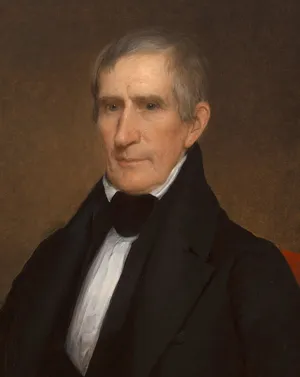
William Henry Harrison
Gave the longest inaugural address in history in freezing weather, caught pneumonia, and died a month later. Barely a presidency at all, more a historical footnote about what not to do in a top hat.
About William Henry Harrison
William Henry Harrison was the 9th President of the United States, known for having the shortest presidency in American history. He died in 1841 just weeks after his inauguration, reportedly from pneumonia.
- Term
- 1841
- Party
- Whig
- Known For
- Shortest presidency in U.S. history
- Prior Role
- Military general, known for the Battle of Tippecanoe
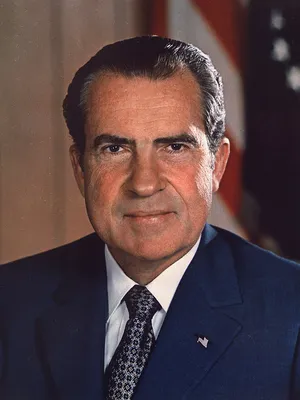
Richard Nixon
Opened relations with China and wound down Vietnam, real achievements that get overshadowed, fairly, by Watergate. Resigned in disgrace rather than face impeachment, the only president to do so.
About Richard Nixon
37th President of the United States, serving from 1969 until his resignation in 1974. A Republican, he is the only U.S. president to have resigned from office, doing so amid the Watergate scandal.
- Term
- 1969-1974
- Party
- Republican
- Vice President
- Spiro Agnew, Gerald Ford
- Notable
- Resigned due to Watergate scandal
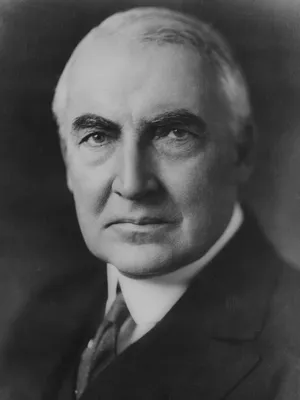
Warren G. Harding
The Teapot Dome scandal defined an administration riddled with corruption from his own appointees. Died in office before the worst of it fully came out, which is about the only lucky break of his presidency.
About Warren G. Harding
29th President of the United States, serving from 1921 until his death in office in 1923. His administration was later marked by revelations of corruption, including the Teapot Dome scandal. He campaigned on a promise of a 'return to normalcy' after World War I.
- Term
- 1921-1923
- Party
- Republican
- Notable
- Died in office
- Associated scandal
- Teapot Dome
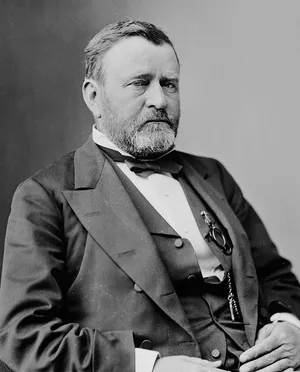
Ulysses S. Grant
A brilliant general who struggled badly as an administrator, with his two terms plagued by financial scandals among people he trusted. Did push through some real civil rights enforcement during Reconstruction, which deserves more credit than it gets.
About Ulysses S. Grant
18th President of the United States, serving from 1869 to 1877. He had earlier led Union forces to victory as a general during the Civil War. As president he worked to implement Reconstruction policies and protect the civil rights of freed slaves.
- Term
- 1869-1877
- Party
- Republican
- Notable
- Union general during the Civil War
FF Tier: The historical bottom of the barrel
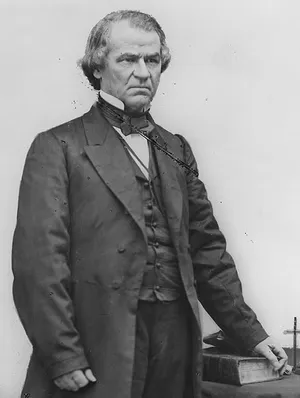
Andrew Johnson
Took over after Lincoln's assassination and spent his term actively undermining Reconstruction and protecting the interests of former Confederates. Impeached by the House, one vote short of removal by the Senate, and widely ranked among the worst for good reason.
About Andrew Johnson
17th President of the United States, serving from 1865 to 1869. He assumed office after the assassination of Abraham Lincoln and oversaw early Reconstruction. He was the first American president to be impeached, though he was acquitted by the Senate.
- Term
- 1865-1869
- Party
- Democratic
- Predecessor
- Abraham Lincoln
- Notable
- First president to be impeached
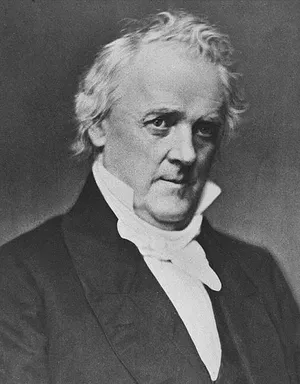
James Buchanan
Watched the country split apart in the months before the Civil War and basically did nothing to stop it. Regularly ranked dead last or near it by historians, and it's hard to argue with the reasoning.
About James Buchanan
15th president, whose term immediately preceded the Civil War. Widely regarded by historians as one of the least effective presidents.
- Term
- 1857-1861
- Party
- Democratic
How we ranked them
We weighed crisis management, lasting impact on the country and the office itself, honesty in office, and whether they left America better or worse than they found it. Popularity at the time counts for less than what actually happened under their watch. Scandal, corruption, and sheer incompetence drag a ranking down fast, even if the guy was personally likable. Where historians and fans genuinely split, we picked a side and explained why.
Think we got it wrong?
Drag all 45 presidents of the united states into your own tier list, then download the image or share a link.
Rank these yourselfFAQ
Who is usually ranked the best U.S. president?
Abraham Lincoln, George Washington, and Franklin D. Roosevelt top most historian surveys and fan rankings, usually in some order of those three.
Who is usually ranked the worst U.S. president?
James Buchanan and Andrew Johnson routinely land at the bottom of historian rankings, mostly for failing to prevent or for actively undermining the resolution of the Civil War and Reconstruction.
Why is Andrew Jackson so controversial?
He expanded voting rights and democratized politics for white men, but he also pushed the Indian Removal Act, which led directly to the Trail of Tears. Historians and fans remain genuinely split on how to weigh those two legacies.
Is this ranking based on politics?
We tried to judge crisis management, lasting impact, and honesty in office rather than modern partisan lines, though reasonable people will still disagree on recent presidents especially.
Why do recent presidents rank lower than expected?
History needs distance. Presidents like Obama, Trump, and Biden are still being fought over in real time, so their rankings are more likely to shift in future decades than, say, Lincoln's.
More rankings
Image credits
- Abraham LincolnPhoto: Alexander Gardner, Public domain (Wikimedia Commons) · Source
- George WashingtonPhoto: Gilbert Stuart, Public domain (Wikimedia Commons) · Source
- Franklin D. RooseveltPhoto: Vincenzo Laviosa, Public domain (Wikimedia Commons) · Source
- Theodore RooseveltPhoto: Adam Cuerden, Public domain (Wikimedia Commons) · Source
- Thomas JeffersonPhoto: Rembrandt Peale, Public domain (Wikimedia Commons) · Source
- Harry S. TrumanPhoto: National Archives and Records Administration. Office of Presidential Libraries. Harry S. Truman Library., Public domain (Wikimedia Commons) · Source
- Dwight D. EisenhowerPhoto: White House, Public domain (Wikimedia Commons) · Source
- James K. PolkPhoto: James_Polk.jpg: Brady, Mathew B., 1823 (ca.)-1896, photographer. derivative work: Superwikifan (talk), Public domain (Wikimedia Commons) · Source
- James MadisonPhoto: John Vanderlyn, Public domain (Wikimedia Commons) · Source
- Ronald ReaganPhoto: Michael Evans, Public domain (Wikimedia Commons) · Source
- Barack ObamaPhoto: Pete Souza, CC BY 3.0 (Wikimedia Commons) · License · Source
- John AdamsPhoto: Gilbert Stuart, Public domain (Wikimedia Commons) · Source
- James MonroePhoto: Samuel Finley Breese Morse, Public domain (Wikimedia Commons) · Source
- Bill ClintonPhoto: Bob McNeely, The White House[1], Public domain (Wikimedia Commons) · Source
- John F. KennedyPhoto: U.S. Navy photo, Public domain (Wikimedia Commons) · Source
- Woodrow WilsonPhoto: Harris & Ewing, photographer, Public domain (Wikimedia Commons) · Source
- Andrew JacksonPhoto: Ralph Eleaser Whiteside Earl, Public domain (Wikimedia Commons) · Source
- Lyndon B. JohnsonPhoto: Arnold Newman, Public domain (Wikimedia Commons) · Source
- George H. W. BushPhoto: David Valdez, Public domain (Wikimedia Commons) · Source
- John Quincy AdamsPhoto: Gilbert Stuart and Thomas Sully, Public domain (Wikimedia Commons) · Source
- Grover ClevelandPhoto: Eastman Johnson, Public domain (Wikimedia Commons) · Source
- William McKinleyPhoto: Unknown authorUnknown author, Public domain (Wikimedia Commons) · Source
- Gerald FordPhoto: David Hume Kennerly, Public domain (Wikimedia Commons) · Source
- Martin Van BurenPhoto: George Peter Alexander Healy, Public domain (Wikimedia Commons) · Source
- Rutherford B. HayesPhoto: Mathew Benjamin Brady, Public domain (Wikimedia Commons) · Source
- William Howard TaftPhoto: George Grantham Bain; copyright: Moffett Studio, Public domain (Wikimedia Commons) · Source
- Chester A. ArthurPhoto: Abraham Bogardus / Adam Cuerden, Public domain (Wikimedia Commons) · Source
- Benjamin HarrisonPhoto: Adam Cuerden, Public domain (Wikimedia Commons) · Source
- Calvin CoolidgePhoto: Harris & Ewing, Public domain (Wikimedia Commons) · Source
- Jimmy CarterPhoto: The White House, Public domain (Wikimedia Commons) · Source
- Zachary TaylorPhoto: Zachary_Taylor_half_plate_daguerreotype_c1843-45.png: unknown, possibly Maguire of New Orleans derivative work: Beao, Public domain (Wikimedia Commons) · Source
- John TylerPhoto: George Peter Alexander Healy, Public domain (Wikimedia Commons) · Source
- George W. BushPhoto: Eric Draper, Public domain (Wikimedia Commons) · Source
- Donald TrumpPhoto: Shealeah Craighead, Public domain (Wikimedia Commons) · Source
- Joe BidenPhoto: Adam Schultz, Public domain (Wikimedia Commons) · Source
- Millard FillmorePhoto: Mathew Benjamin Brady, Public domain (Wikimedia Commons) · Source
- Franklin PiercePhoto: George Peter Alexander Healy, Public domain (Wikimedia Commons) · Source
- Herbert HooverPhoto: Underwood & Underwood, Public domain (Wikimedia Commons) · Source
- William Henry HarrisonPhoto: Albert Gallatin Hoit, Public domain (Wikimedia Commons) · Source
- Richard NixonPhoto: Department of Defense. Department of the Army. Office of the Deputy Chief of Staff for Operations. U.S. Army Audiovisual Center. (ca. 1974 - 05/15/1984), Public domain (Wikimedia Commons) · Source
- Warren G. HardingPhoto: Copyright by Moffett, Chicago. J241772 U.S. Copyright Office., Public domain (Wikimedia Commons) · Source
- Ulysses S. GrantPhoto: Brady-Handy Photograph Collection, Library of Congress, Public domain (Wikimedia Commons) · Source
- Andrew JohnsonPhoto: Unknown author, Public domain (Wikimedia Commons) · Source
- James BuchananPhoto: From Brady daguerreotype (Mathew Brady) (1822-1896), Public domain (Wikimedia Commons) · Source
- James A. GarfieldPhoto: Unknown; part of Brady-Handy Photograph Collection., Public domain (Wikimedia Commons) · Source