













Dinosaur Tier List: Every Famous Dino Ranked
We ranked 32 of the most famous dinosaurs ever dug up, from absolute icons to the ones that only get attention because they showed up in the background of a movie. This covers the giants, the little feathered weirdos, the armored tanks and the ones that still get their names mixed up at dinner parties.
Ranking dinosaurs is part science, part pop culture. Some of this is settled by the fossil record. A lot of it comes down to which ones captured our imagination, scared us in a movie theater, or turned out to be way stranger than we thought once new bones showed up. Disagree with where we put your favorite? That's half the fun. Argue it out.
The tier list
The community’s tier list fills in as members vote. It appears once 5 members have ranked or voted on these.
Think you can rank them better?
Make your own tier listFree account. Your ranking stays private unless you share it, and it counts toward the community tier list.Vote
SS Tier: The legends
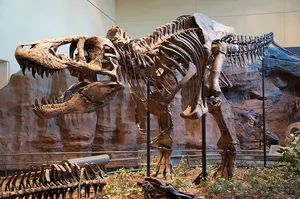
Tyrannosaurus
The one everyone draws first. Massive bite force, tiny arms that somehow made it funnier instead of less scary, and a starring role in just about every dino movie since 1993. There's a reason the T. rex skeleton is the centerpiece of every natural history museum.
About Tyrannosaurus
A massive carnivorous theropod that lived in what is now western North America near the very end of the Cretaceous period. Known for its enormous skull, powerful bite, and tiny two-fingered arms.
- Period
- Late Cretaceous
- Found in
- North America
- Diet
- Carnivore
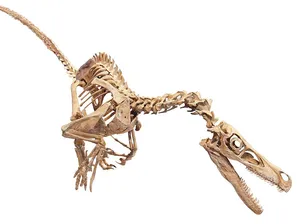
Velociraptor
Jurassic Park turned a turkey-sized predator into a six-foot killing machine with a grudge, and the real animal (feathers, smaller size) never stood a chance against that image. Doesn't matter. The raptor's cultural footprint is enormous, kitchen door and all.
About Velociraptor
A small, feathered theropod from Mongolia, much smaller in real life than its famous movie depiction. Known for a sickle-shaped claw on each foot.
- Period
- Late Cretaceous
- Found in
- Mongolia
- Diet
- Carnivore
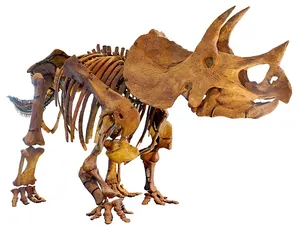
Triceratops
Three horns, a giant frill, and an attitude that says it would absolutely fight a Tyrannosaurus and maybe win. It's the face-off everyone draws as kids, and the skull alone is one of the most recognizable fossils on Earth.
About Triceratops
A large herbivorous dinosaur known for its three facial horns and wide bony frill. One of the last dinosaur species before the end-Cretaceous extinction.
- Period
- Late Cretaceous
- Found in
- North America
- Diet
- Herbivore
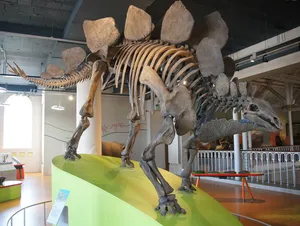
Stegosaurus
Back plates, a spiked tail (the "thagomizer," a name that came from a Far Side comic, which is a great piece of trivia), and a silhouette you'd know from across a toy store. Simple, iconic, instantly readable even to a five-year-old.
About Stegosaurus
A large herbivore known for the rows of bony plates along its back and spikes on its tail. Lived during the Late Jurassic in what is now western North America.
- Period
- Late Jurassic
- Found in
- North America
- Diet
- Herbivore
AA Tier: Famous for good reason
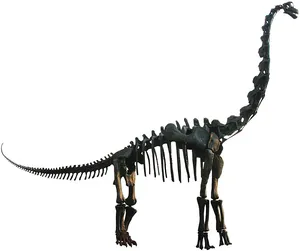
Brachiosaurus
That first reveal in Jurassic Park, the camera tilting up and up, did more for sauropod fame than a century of museum exhibits. It's not the biggest long-neck we know about anymore, but it's still the one people picture first.
About Brachiosaurus
A giant long-necked sauropod with front legs longer than its back legs, giving it a distinctive sloped posture. Known from fossil finds in North America.
- Period
- Late Jurassic
- Found in
- North America
- Diet
- Herbivore
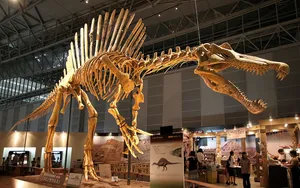
Spinosaurus
Bigger than T. rex by most estimates, with a sail on its back and, we now think, a surprisingly aquatic lifestyle swimming after fish. Jurassic Park 3 tried to make it a villain upgrade and it mostly just confused people about who's actually the biggest predator.
About Spinosaurus
A huge theropod with a distinctive sail on its back, believed to have had a largely fish-based, semi-aquatic lifestyle. Fossils come from North Africa.
- Period
- Cretaceous
- Found in
- North Africa
- Diet
- Piscivore/Carnivore
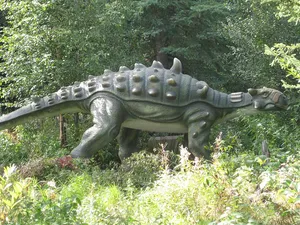
Ankylosaurus
A walking tank with a tail club that could probably break bone. Low to the ground, armored head to tail, basically the dinosaur equivalent of a medieval knight who never has to actually fight anyone.
About Ankylosaurus
A heavily armored herbivore covered in bony plates with a large club at the end of its tail, likely used for defense against predators.
- Period
- Late Cretaceous
- Found in
- North America
- Diet
- Herbivore
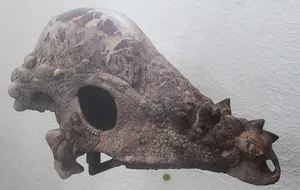
Pachycephalosaurus
The thick-skulled head-butter, famous mostly for a behavior (ramming skulls) that scientists still argue over. Even if the head-butting is disputed, that dome skull is unmistakable and weirdly satisfying to look at.
About Pachycephalosaurus
A herbivorous or omnivorous dinosaur with a thick domed skull, often associated with head-butting behavior theories.
- Period
- Late Cretaceous
- Found in
- North America
- Diet
- Herbivore/Omnivore
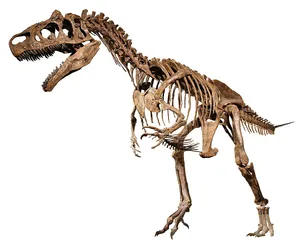
Allosaurus
The apex predator of the Jurassic before T. rex ever showed up, and arguably the original movie monster dinosaur thanks to decades of documentaries. Smaller than rex, but it was running the show for millions of years longer.
About Allosaurus
A large predatory theropod and the apex predator of its time in Jurassic North America, predating Tyrannosaurus by tens of millions of years.
- Period
- Late Jurassic
- Found in
- North America
- Diet
- Carnivore
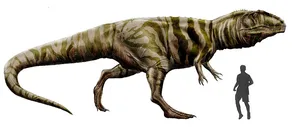
Giganotosaurus
Bigger than Tyrannosaurus in most measurements, and it got a real moment to shine in Jurassic World Dominion. South American, enormous, and proof that rex wasn't the only heavyweight in the ring.
About Giganotosaurus
One of the largest known theropod predators, found in Argentina, sometimes cited as larger than Tyrannosaurus in overall length.
- Period
- Late Cretaceous
- Found in
- Argentina
- Diet
- Carnivore
BB Tier: Solid, dependable dinosaurs
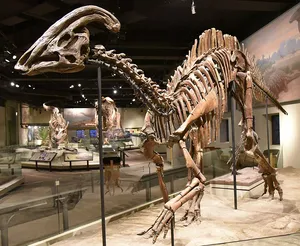
Parasaurolophus
That curved crest on the back of its head likely worked like a trombone, honking out low calls across the herd. It's the duck-billed dinosaur people actually remember, mostly because the crest makes it instantly identifiable in silhouette.
About Parasaurolophus
A duck-billed herbivore recognized by the long curved crest extending from the back of its skull, thought to have been used for vocalizing or display.
- Period
- Late Cretaceous
- Found in
- North America
- Diet
- Herbivore
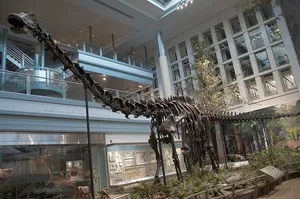
Diplodocus
Absurdly long, whip-tailed, and one of the first giant sauropods to get mounted in museums worldwide, which is a big reason it's still a household name. Not as famous as Brachiosaurus but arguably just as influential on how we picture long-necks.
About Diplodocus
One of the longest dinosaurs known, a sauropod with a whip-like tail and long neck. Famous from well-preserved skeletons displayed in major museums.
- Period
- Late Jurassic
- Found in
- North America
- Diet
- Herbivore
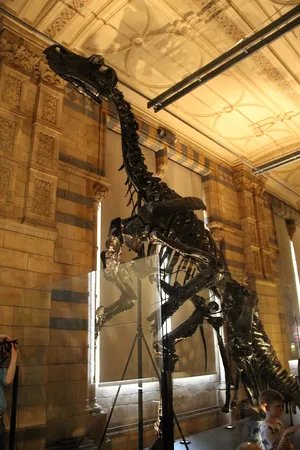
Iguanodon
One of the first dinosaurs ever named and described, back in the early 1800s, and famous for the classic blunder where its thumb spike got stuck on its nose in early reconstructions. Historically huge, even if it's not a household name today.
About Iguanodon
One of the first dinosaurs ever scientifically described, a large herbivore known for a distinctive thumb spike on each hand.
- Period
- Early Cretaceous
- Found in
- Europe
- Diet
- Herbivore
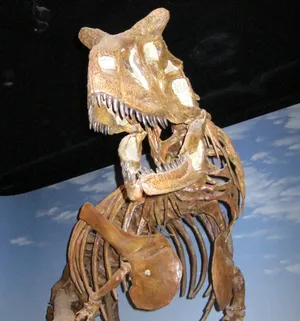
Carnotaurus
Those little horns above the eyes and the stubby little arms (even smaller than T. rex's) make it look almost comically mean. Got a nice push in pop culture thanks to Disney's Dinosaur and later Jurassic World: Fallen Kingdom.
About Carnotaurus
A predatory theropod from South America known for its distinctive brow horns and extremely reduced forearms.
- Period
- Late Cretaceous
- Found in
- Argentina
- Diet
- Carnivore
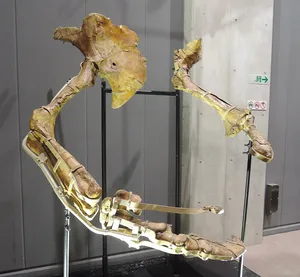
Therizinosaurus
Giant scythe-like claws attached to what was probably a plant-eating, pot-bellied weirdo. One of the strangest body plans in the whole dinosaur lineup, and it finally got its action-movie moment in Jurassic World Dominion.
About Therizinosaurus
A large theropod with enormous curved claws, believed despite its predatory lineage to have been primarily herbivorous.
- Period
- Late Cretaceous
- Found in
- Mongolia
- Diet
- Herbivore
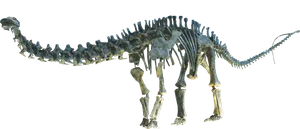
Apatosaurus
A genuinely massive, whip-tailed sauropod that spent decades getting confused with Brontosaurus, which honestly hurt both their individual reputations. Deserves more credit on its own than it usually gets.
About Apatosaurus
A large, heavily built sauropod historically confused with Brontosaurus, known for its long neck and whip-like tail.
- Period
- Late Jurassic
- Found in
- North America
- Diet
- Herbivore
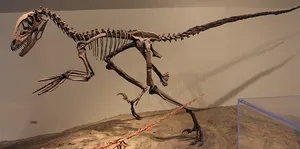
Deinonychus
The dinosaur that basically kicked off the whole "dinosaurs were fast, smart, bird-like" revolution in the 1960s and 70s. Less famous by name than Velociraptor, even though Deinonychus is closer to what the movies actually show.
About Deinonychus
A mid-sized predatory dinosaur known for its sickle-shaped foot claw, important in reshaping scientific views on dinosaur agility and bird origins.
- Period
- Early Cretaceous
- Found in
- North America
- Diet
- Carnivore
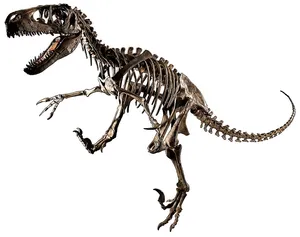
Utahraptor
The biggest raptor we know of, roughly the size people wrongly assumed Velociraptor was in Jurassic Park. If the movies had used the real name instead, this one might be the household name instead.
About Utahraptor
The largest known member of the raptor family, significantly bigger than Velociraptor, discovered in Utah.
- Period
- Early Cretaceous
- Found in
- North America
- Diet
- Carnivore
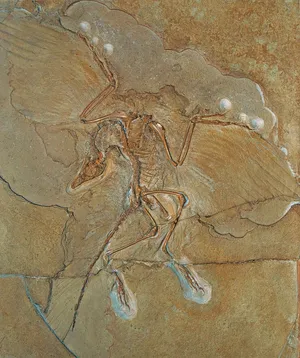
Archaeopteryx
The classic missing link between dinosaurs and birds, feathers and all, found in Germany's Solnhofen limestone. Not flashy to look at, but scientifically it might be the single most important fossil on this entire list.
About Archaeopteryx
An early bird-like dinosaur found in Germany, widely regarded as a crucial transitional fossil between dinosaurs and modern birds.
- Period
- Late Jurassic
- Found in
- Germany
- Diet
- Carnivore
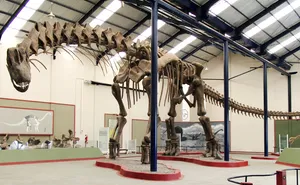
Argentinosaurus
Likely one of the largest land animals to ever exist, a sauropod so big its vertebrae alone are the size of a person. Doesn't have the pop culture footprint of its size, which feels like an oversight.
About Argentinosaurus
An enormous sauropod from Argentina, often cited among the largest land animals known to have existed.
- Period
- Late Cretaceous
- Found in
- Argentina
- Diet
- Herbivore
CC Tier: Known, but not loved
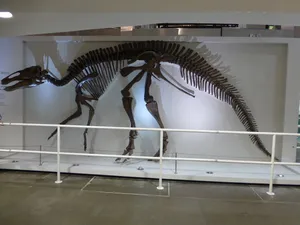
Edmontosaurus
A common, duck-billed herbivore that shows up constantly in the fossil record, including some famous mummified skin specimens. Reliable, well-studied, but it's never going to out-charisma a horned or armored dinosaur.
About Edmontosaurus
A large duck-billed herbivore known from numerous fossils, including rare specimens preserving skin impressions.
- Period
- Late Cretaceous
- Found in
- North America
- Diet
- Herbivore
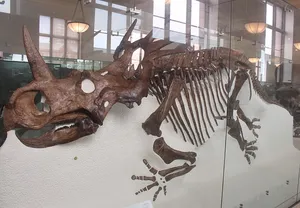
Styracosaurus
A frill ringed with long spikes makes this one look like it walked straight out of a heavy metal album cover. Overshadowed by its cousin Triceratops despite arguably having the cooler head ornamentation.
About Styracosaurus
A horned herbivore known for the long spikes radiating from its bony neck frill.
- Period
- Late Cretaceous
- Found in
- North America
- Diet
- Herbivore
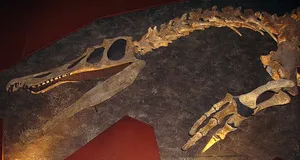
Baryonyx
A fish-eating, crocodile-snouted predator found in England, and one of the first clear clues that not every big theropod hunted the same way. Interesting biology, modest fame.
About Baryonyx
A fish-eating theropod with a long crocodile-like snout and large curved claws, discovered in England.
- Period
- Early Cretaceous
- Found in
- England
- Diet
- Piscivore
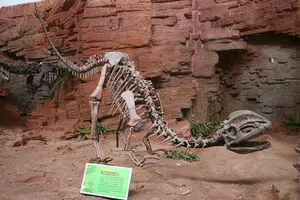
Dilophosaurus
Jurassic Park gave it a frill and a venom spit that real paleontology never actually found evidence for. The movie version is basically a different animal wearing the real dinosaur's name tag.
About Dilophosaurus
An early, mid-sized theropod known for twin crests on its skull. Popularized (inaccurately) in film as a frilled, venom-spitting predator.
- Period
- Early Jurassic
- Found in
- North America
- Diet
- Carnivore
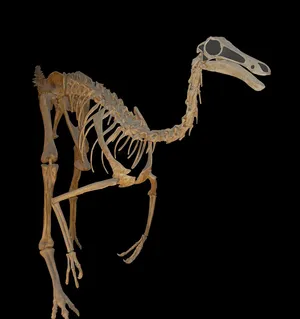
Gallimimus
The ostrich-like dinosaur best known for the stampede scene in Jurassic Park, running in a tight pack across the valley. Fast, lightly built, and mostly riding on one great piece of movie choreography.
About Gallimimus
An ostrich-like theropod built for speed, with a toothless beak and long legs, from the Nemegt Formation of Mongolia.
- Period
- Late Cretaceous
- Found in
- Mongolia
- Diet
- Omnivore
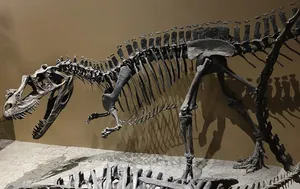
Ceratosaurus
A horned, crocodile-jawed predator that lived alongside Allosaurus and usually gets overshadowed by it. Distinctive looking, with a row of bony armor down its back, but it never got its own spotlight moment.
About Ceratosaurus
A predatory theropod with a distinctive nasal horn and bony armor down its back, living alongside Allosaurus.
- Period
- Late Jurassic
- Found in
- North America
- Diet
- Carnivore
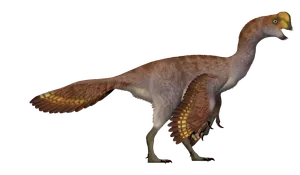
Oviraptor
Named "egg thief" based on a bad guess, when the eggs found nearby were actually its own, which it was likely brooding like a bird. One of paleontology's better redemption stories, even if the name never got updated.
About Oviraptor
A small theropod originally misnamed after its eggs were mistakenly thought to belong to another dinosaur it was preying on.
- Period
- Late Cretaceous
- Found in
- Mongolia
- Diet
- Omnivore
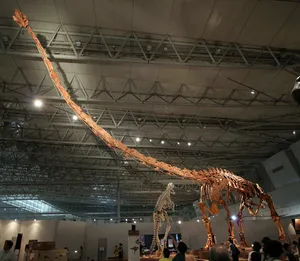
Mamenchisaurus
Famous mostly for having one of the longest necks of any animal ever, over half its total body length. Overshadowed internationally by other sauropods despite the sheer absurdity of that neck.
About Mamenchisaurus
A sauropod famous for having one of the longest necks relative to body length of any known animal, discovered in China.
- Period
- Late Jurassic
- Found in
- China
- Diet
- Herbivore
DD Tier: Background noise
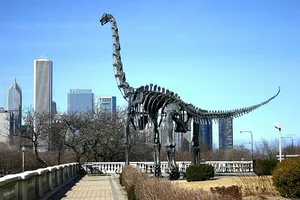
Brontosaurus
Declared a duplicate of Apatosaurus for most of the 20th century, then controversially reinstated as its own genus by later research. The name never left pop culture even during the decades scientists said it didn't technically exist.
About Brontosaurus
A sauropod genus that was considered a synonym of Apatosaurus for most of the 20th century before some researchers argued it should be reinstated as distinct.
- Period
- Late Jurassic
- Found in
- North America
- Diet
- Herbivore
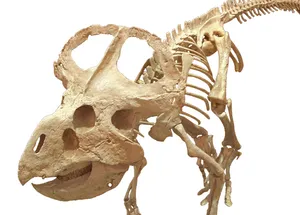
Protoceratops
Famous mainly for one incredible fossil, locked in combat with a Velociraptor, found in Mongolia. On its own it's a modest, sheep-sized plant eater that rarely gets mentioned without that one dramatic find attached.
About Protoceratops
A small sheep-sized herbivore from Mongolia, famous for a fossil showing it locked in combat with a Velociraptor.
- Period
- Late Cretaceous
- Found in
- Mongolia
- Diet
- Herbivore
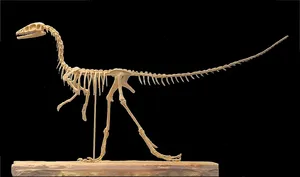
Compsognathus
Chicken-sized, quick, and mostly remembered for menacing a little girl in The Lost World: Jurassic Park. Scientifically useful as one of the smallest known dinosaurs, but it's a bit player everywhere else.
About Compsognathus
One of the smallest known dinosaurs, a chicken-sized theropod from Europe known for its speed and small size.
- Period
- Late Jurassic
- Found in
- Europe
- Diet
- Carnivore
FF Tier: Mostly riding on name recognition
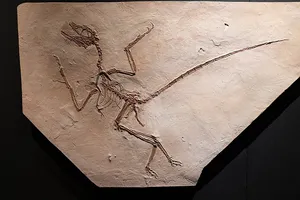
Microraptor
A tiny, four-winged glider that's genuinely fascinating to paleontologists studying bird origins, but it just doesn't have the name recognition or visual punch to compete here. Cool animal, low fame, hence the bottom spot.
About Microraptor
A small, four-winged dinosaur capable of gliding, important for research into the evolution of bird flight.
- Period
- Early Cretaceous
- Found in
- China
- Diet
- Carnivore
How we ranked them
We weighed a mix of things: cultural impact (movies, documentaries, toy aisles), scientific significance (what the fossil actually taught us), and just how cool or strange the animal was in real life. Popularity matters, but so does substance, a dinosaur that rewrote a textbook ranks higher than one that's famous purely for a cameo. Where paleontologists or fans disagree (looking at you, Brontosaurus), we explain the split and tell you where we landed.
Think we got it wrong?
Drag all 32 dinosaurs into your own tier list, then download the image or share a link.
Rank these yourselfFAQ
What is the most popular dinosaur?
Tyrannosaurus rex is generally considered the most famous dinosaur worldwide, thanks to decades of movies, museum exhibits and sheer name recognition.
Is Brontosaurus a real dinosaur?
For most of the 20th century scientists treated Brontosaurus as the same animal as Apatosaurus. More recent research has argued it deserves to be its own genus again, though this is still debated among paleontologists.
Was Velociraptor really as big as it is in the movies?
No. The real Velociraptor was roughly turkey-sized. The movie version is closer in size to its relative Utahraptor or Deinonychus.
What was the biggest dinosaur?
Argentinosaurus is among the largest land animals known from the fossil record, though estimates for the biggest sauropods vary and new finds occasionally challenge the ranking.
Why is Spinosaurus considered bigger than T. rex?
Length estimates for Spinosaurus generally put it longer than Tyrannosaurus, though the two had very different body builds and likely different lifestyles, with Spinosaurus adapted for a semi-aquatic, fish-eating life.
More rankings
Image credits
- TyrannosaurusPhoto: ScottRobertAnselmo, CC BY-SA 3.0 (Wikimedia Commons) · License · Source
- VelociraptorPhoto: Eduard Solà Vázquez, CC BY 3.0 (Wikimedia Commons) · License · Source
- TriceratopsPhoto: Source: Allie_Caulfield Derivative: User:MathKnight, CC BY-SA 3.0 (Wikimedia Commons) · License · Source
- StegosaurusPhoto: Mike Pennington, CC BY-SA 2.0 (Wikimedia Commons) · License · Source
- BrachiosaurusPhoto: Matt Wedel, CC BY 3.0 (Wikimedia Commons) · License · Source
- SpinosaurusPhoto: Kabacchi, CC BY 2.0 (Wikimedia Commons) · License · Source
- AnkylosaurusPhoto: Brittney Le Blanc from Edmonton, Canada, CC BY-SA 2.0 (Wikimedia Commons) · License · Source
- PachycephalosaurusPhoto: Jonathan Chen, CC BY-SA 4.0 (Wikimedia Commons) · License · Source
- AllosaurusPhoto: The_Wookies, CC BY 2.5 (Wikimedia Commons) · License · Source
- GiganotosaurusPhoto: Durbed, CC BY-SA 3.0 (Wikimedia Commons) · License · Source
- ParasaurolophusPhoto: Zissoudisctrucker, CC BY-SA 4.0 (Wikimedia Commons) · License · Source
- DiplodocusPhoto: ScottRobertAnselmo, CC BY-SA 3.0 (Wikimedia Commons) · License · Source
- IguanodonPhoto: Gary Todd from Xinzheng, China, CC0 (Wikimedia Commons) · License · Source
- CarnotaurusPhoto: Carnotaurus_skeleton.jpg: John Barreiros from Norwalk, CT, USA derivative work: Dinoguy2 (talk), CC BY-SA 2.0 (Wikimedia Commons) · License · Source
- TherizinosaurusPhoto: Yuya Tamai from Gifu, Japan, CC BY 2.0 (Wikimedia Commons) · License · Source
- ApatosaurusPhoto: MCDinosaurhunter, CC BY-SA 3.0 (Wikimedia Commons) · License · Source
- DeinonychusPhoto: Jonathan Chen, CC BY-SA 4.0 (Wikimedia Commons) · License · Source
- UtahraptorPhoto: Jaren Wilkey, CC BY-SA 4.0 (Wikimedia Commons) · License · Source
- ArchaeopteryxPhoto: Emily Willoughby (emily.a.willoughby@gmail.com), CC BY-SA 4.0 (Wikimedia Commons) · License · Source
- ArgentinosaurusPhoto: William Irvin Sellers, Lee Margetts, Rodolfo Aníbal Coria, Phillip Lars Manning, CC BY 2.5 (Wikimedia Commons) · License · Source
- EdmontosaurusPhoto: Kenneth Allen, CC BY-SA 2.0 (Wikimedia Commons) · License · Source
- StyracosaurusPhoto: Jonathan Chen, CC BY-SA 4.0 (Wikimedia Commons) · License · Source
- BaryonyxPhoto: Ballista, CC BY-SA 3.0 (Wikimedia Commons) · License · Source
- DilophosaurusPhoto: Gary Todd from Xinzheng, China, CC0 (Wikimedia Commons) · License · Source
- GallimimusPhoto: Conty, CC BY 3.0 (Wikimedia Commons) · License · Source
- CeratosaurusPhoto: Jens Lallensack, CC BY-SA 4.0 (Wikimedia Commons) · License · Source
- OviraptorPhoto: TotalDino, CC BY 4.0 (Wikimedia Commons) · Source
- MamenchisaurusPhoto: Kabacchi, CC BY 2.0 (Wikimedia Commons) · License · Source
- BrontosaurusPhoto: Roland Arhelger, CC BY-SA 4.0 (Wikimedia Commons) · License · Source
- ProtoceratopsPhoto: Unknown author, CC BY-SA 3.0 (Wikimedia Commons) · License · Source
- CompsognathusPhoto: User:MatthiasKabel, CC BY 2.5 (Wikimedia Commons) · License · Source
- MicroraptorPhoto: Tom Page, CC BY-SA 2.0 (Wikimedia Commons) · License · Source