








Justice League Members Tier List: Every Hero Ranked
The Justice League has had a rotating door of members since the 1960s, from the founding seven to the oddballs who show up during big crossover events. We're ranking 20 of the most recognizable names, from the ones who define the team to the ones who mostly just fill out the roster photo.
This list leans on what fans and critics tend to agree on across forums, comment sections and reviews, with our own call where the arguments never really settle. Disagree? That's half the fun of a list like this. Rank them yourself and see where you land.
The tier list
The community’s tier list fills in as members vote. It appears once 5 members have ranked or voted on these (1 so far).
Think you can rank them better?
Make your own tier listFree account. Your ranking stays private unless you share it, and it counts toward the community tier list.Vote
SS Tier: The Founders Who Define the Team
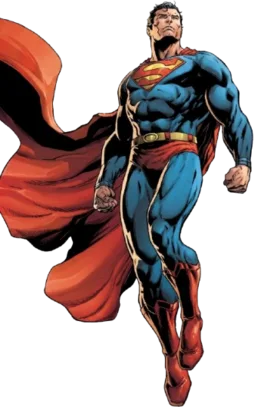
Superman
The big blue boy scout is the reason the League needs a plan B for almost everything. He's the measuring stick every other hero on this list gets compared to, and the team's moral center whether he's leading from the front or holding back so nobody panics.
About Superman
Kryptonian refugee raised in Kansas who became the template for the modern superhero. Created by Jerry Siegel and Joe Shuster, he first appeared in Action Comics.
- First appearance
- Action Comics #1 (1938)
- Home
- Metropolis
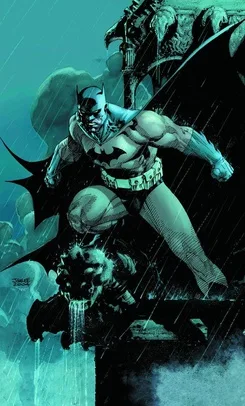
Batman
No powers, still runs the room. Batman's value isn't heat vision or super strength, it's the contingency plans, the detective work, and the fact that he's the one member who treats every mission like it could go wrong. Fans love him precisely because he shouldn't belong on this roster and somehow is indispensable to it.
About Batman
Bruce Wayne, billionaire orphan turned vigilante detective, patrols Gotham City with no superpowers, just prep and gadgets. Created by Bob Kane and Bill Finger.
- First appearance
- Detective Comics #27 (1939)
- Home
- Gotham City

Wonder Woman
Diana brings warrior instincts and genuine diplomacy to a team full of brawlers and brooders. She's as strong as Superman in a fight and more willing to throw the first punch, which is exactly why she's been a founding pillar since the earliest lineups.
About Wonder Woman
Amazon princess Diana of Themyscira, created by William Moulton Marston, serves as one of DC's three central pillars alongside Superman and Batman.
- First appearance
- All Star Comics #8 (1941)
- Home
- Themyscira
AA Tier: Essential Members, No Argument
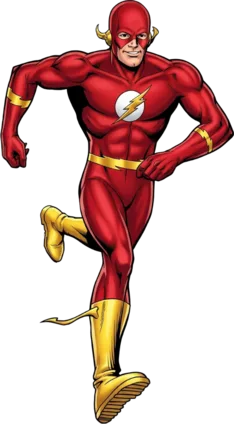
The Flash
Fastest man alive and arguably the League's biggest heart. Barry (or Wally, depending who you ask) turns impossible rescues into routine work, and the comic relief he provides keeps the team from feeling like a committee meeting.
About The Flash
The mantle has been carried by several speedsters, most famously Barry Allen and Wally West, both drawing power from the Speed Force.
- First Barry Allen appearance
- Showcase #4 (1956)
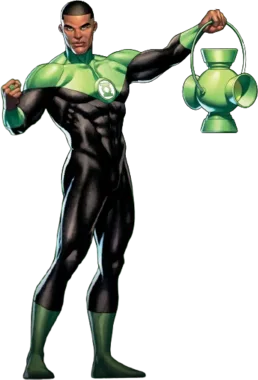
Green Lantern (John Stewart)
The architect-turned-space-cop brings a rare blend of discipline and raw willpower construct creativity. Thanks to the animated series, a lot of fans consider him the definitive Lantern on this team, not just the alternate.
About Green Lantern (John Stewart)
Architect and Marine who became a Green Lantern, later rose to wide popularity as the League's main Lantern in the Justice League animated series.
- First appearance
- Green Lantern #87 (1971)
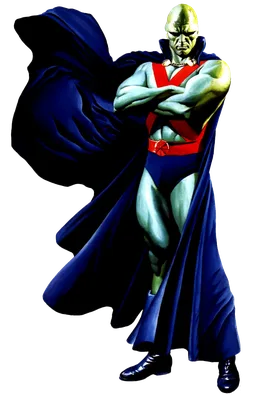
Martian Manhunter
Shapeshifting, telepathy, intangibility, nearly Superman-level strength, J'onn J'onzz is criminally underrated by casual audiences but adored by longtime readers. He's often called the League's true heart, the one who quietly holds the team together during its worst moments.
About Martian Manhunter
J'onn J'onzz, the last survivor of Mars, has shapeshifting, telepathic and intangibility powers, and has served on nearly every version of the League's lineup.
- First appearance
- Detective Comics #225 (1955)
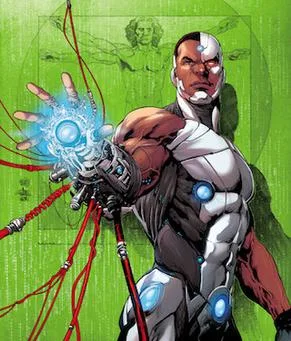
Cyborg
Promoted to founding member in the New 52 era, and it mostly works. His tech-based powers scale with the plot whenever the story needs them to, and his personal arc about humanity versus machine gives the team some needed emotional grounding.
About Cyborg
Victor Stone, a former athlete rebuilt with alien technology after a lab accident, became a Teen Titans staple before joining the League's core roster.
- First appearance
- DC Comics Presents #26 (1980)
BB Tier: Great Additions With a Few Doubters
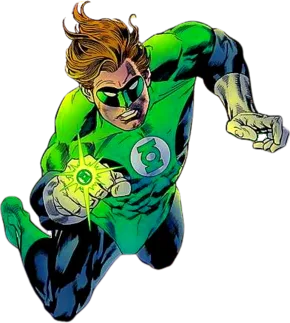
Green Lantern (Hal Jordan)
The classic Lantern, fearless to a fault and occasionally reckless because of it. He's a founding member in most versions of the team, but he's spent enough time losing his ring, his mind, or his sanity that fans argue over whether he's the League's greatest asset or its biggest liability.
About Green Lantern (Hal Jordan)
Test pilot chosen by a dying alien to wield a power ring fueled by willpower, Hal is the most prominent human member of the Green Lantern Corps.
- First appearance
- Showcase #22 (1959)
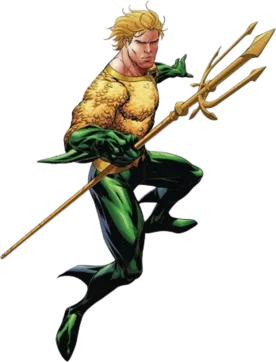
Aquaman
Years of jokes about talking to fish buried a character who commands an ocean kingdom and can go toe to toe with Superman. Modern comics and the movies have done real work rehabbing his reputation, but the old stigma still costs him here.
About Aquaman
Arthur Curry, King of Atlantis, commands sea life and super strength while bridging Earth's surface and undersea kingdoms.
- First appearance
- More Fun Comics #73 (1941)
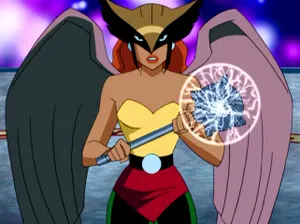
Hawkgirl
A mace-swinging alien archaeologist who never backs down from a fight, even against her own teammates. Her stint in the Justice League animated series, including that ending, made her one of the more memorable non-founding members.
About Hawkgirl
Often depicted as Shayera Hol or Kendra Saunders, Hawkgirl wields an ancient mace and Nth metal wings tied to reincarnated past lives.
- First appearance
- Flash Comics #24 (1941)
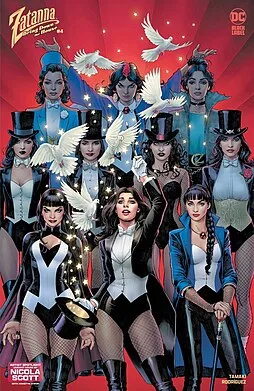
Zatanna
Backwards-speaking magic that can rewrite reality if she's not careful with her words, literally. She doesn't always get main-roster screen time, but when writers use her right, she solves problems nobody else on the team can touch.
About Zatanna
Stage magician whose spells work by saying them backwards, Zatanna is one of DC's most powerful magic users and a longtime League ally.
- First appearance
- Hawkman #4 (1964)
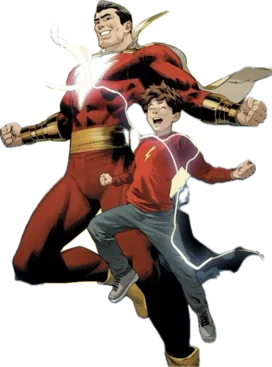
Shazam
A kid with the power of six legendary figures packed into an adult body. He's wildly powerful on paper, Superman-tier in a straight fight, but his lighter tone and younger-skewing stories keep him from feeling as central to League lore as the founders.
About Shazam
Billy Batson, a young boy who transforms into an adult hero by speaking a wizard's name, gaining the combined powers of six mythological figures.
- First appearance
- Whiz Comics #2 (1940)
CC Tier: Solid But Replaceable
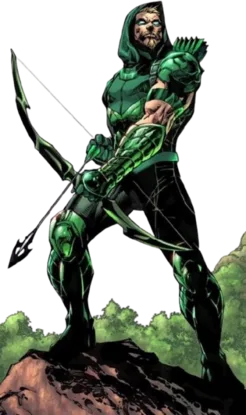
Green Arrow
No powers, just a quiver full of trick arrows and a chip on his shoulder about billionaires in capes. He's a great voice of social conscience on the team, but let's be honest, half his usefulness comes from being Hal Jordan's foil rather than a League essential.
About Green Arrow
Oliver Queen, a billionaire turned archer after being stranded on a deserted island, is known for his left-leaning politics and friendship/rivalry with Hal Jordan.
- First appearance
- More Fun Comics #73 (1941)
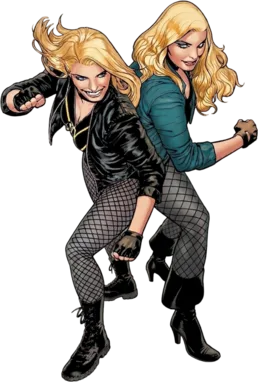
Black Canary
A sonic scream and serious hand-to-hand skills make her a solid fighter, but she's more associated with the Birds of Prey than the League's main continuity. Fans respect her, they just don't think of her first when they picture the team photo.
About Black Canary
Dinah Lance pairs expert martial arts with a sonic 'Canary Cry' and is closely tied to both the League and the Birds of Prey team.
- First appearance
- Flash Comics #86 (1947)
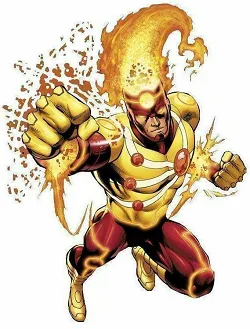
Firestorm
Nuclear matter manipulation should put him higher, honestly. But the character's always been a bit of a revolving door, different people merging into the Firestorm matrix over the years, which makes him harder for casual fans to pin down.
About Firestorm
A nuclear-powered hero typically formed by two people merging into one being, able to rearrange matter at the atomic level.
- First appearance
- Firestorm #1 (1978)
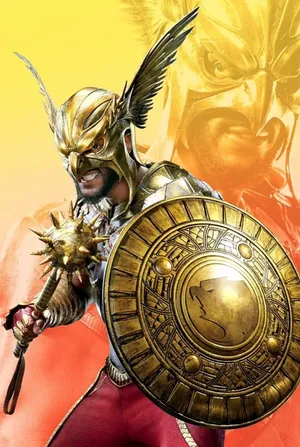
Hawkman
Same reincarnated-warrior backstory as Hawkgirl, minus the modern spotlight. He's been tangled in so many continuity reboots that even longtime readers joke about needing a flowchart to explain his origin.
About Hawkman
Carter Hall, an archaeologist linked to an Egyptian prince's reincarnated soul, fights with ancient weaponry and Nth metal wings.
- First appearance
- Flash Comics #1 (1940)
DD Tier: Mostly There for Flavor
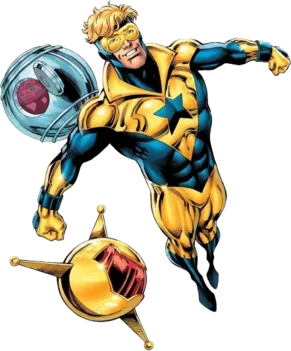
Booster Gold
A glory-hound from the future who joined the League mostly for the sponsorship deals. He's grown into a genuinely likable character through comedy and sacrifice storylines, but as a pure roster pick he's more comic relief than core member.
About Booster Gold
A 25th-century athlete who travels back in time with futuristic tech, seeking fame and fortune while slowly becoming a genuine hero.
- First appearance
- Booster Gold #1 (1986)
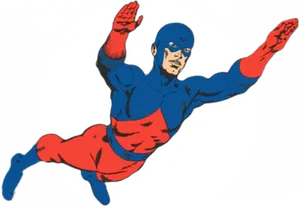
The Atom
Shrinking powers are a great gimmick for a single clever issue, less so for ongoing relevance in a team full of cosmic-level threats. Ray Palmer's a fan favorite in small doses, but he rarely gets to carry a storyline on this roster.
About The Atom
Ray Palmer, a physicist who can shrink to subatomic size while retaining full strength, uses his size-changing powers for intricate rescues and infiltrations.
- First appearance
- Showcase #34 (1961)
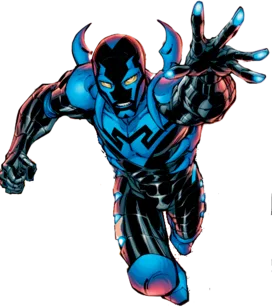
Blue Beetle
Jaime Reyes and the scarab armor have a loyal following, especially after recent animated and movie appearances. On the core League roster though, he's usually a guest star at best, not a name people associate with the team's history.
About Blue Beetle
Jaime Reyes bonds with an alien scarab that forms biomechanical armor, becoming the most modern of the Blue Beetle legacy heroes.
- First appearance
- Infinite Crisis #3 (2006)
FF Tier: Wrong Room, Wrong Team
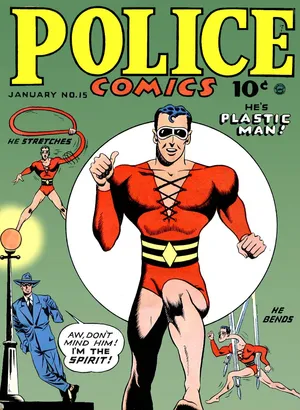
Plastic Man
A stretchy ex-con played almost entirely for laughs. He's a fun character in the right book, but on a team built around gravitas and world-ending stakes, Plastic Man usually feels like he wandered in from a completely different comic.
About Plastic Man
Former criminal Eel O'Brian gained the ability to stretch and reshape his body after exposure to a chemical accident, and plays mostly for comic relief.
- First appearance
- Police Comics #1 (1941)
How we ranked them
We weighed cultural impact, power level, how well the character works in a team setting, and how much the general public (not just comic readers) actually knows who they are. Longevity on the team and standout stories or adaptations counted too. A character can be powerful and still rank lower if they're forgettable in a group setting, and a character with modest powers can rank higher if they bring something the team can't replace.
Think we got it wrong?
Drag all 20 justice league members into your own tier list, then download the image or share a link.
Rank these yourselfFAQ
Who are the founding members of the Justice League?
In most comic versions, the founders are Superman, Batman, Wonder Woman, The Flash, Green Lantern (Hal Jordan), Aquaman and Martian Manhunter. Some versions swap in different Lanterns or add Cyborg depending on the era.
Is John Stewart or Hal Jordan the better Green Lantern for the League?
It's genuinely split. Comic purists often favor Hal as the original and most decorated Lantern, while a lot of fans who grew up on the animated series prefer John Stewart's steadier leadership style.
Why does Aquaman rank lower than expected?
His powers and kingdom make him a heavy hitter, but decades of pop culture jokes about talking to fish still shape how casual fans rank him, even though recent comics and films have pushed back hard on that reputation.
Is Cyborg really a founding Justice League member?
He wasn't originally, but DC's New 52 reboot in the early 2010s made him a founding member, and that version has stuck in a lot of adaptations since.
Why is Plastic Man ranked last?
He's a fun, flexible comedy character, but he's rarely treated as a serious core Justice League presence in the way the founders or long-running members are.
More rankings
Image credits
- SupermanCover: Wikipedia · Source
- BatmanCover: Wikipedia · Source
- Wonder WomanCover: Wikipedia · Source
- The FlashCover: Wikipedia · Source
- Green Lantern (John Stewart)Cover: Wikipedia · Source
- Martian ManhunterCover: Wikipedia · Source
- CyborgCover: Wikipedia · Source
- Green Lantern (Hal Jordan)Cover: Wikipedia · Source
- AquamanCover: Wikipedia · Source
- HawkgirlCover: Wikipedia · Source
- ZatannaCover: Wikipedia · Source
- ShazamCover: Wikipedia · Source
- Green ArrowCover: Wikipedia · Source
- Black CanaryCover: Wikipedia · Source
- FirestormCover: Wikipedia · Source
- HawkmanImage: DC Extended Universe Wiki (Fandom), © its owner · Source
- Booster GoldCover: Wikipedia · Source
- The AtomCover: Wikipedia · Source
- Blue BeetleCover: Wikipedia · Source
- Plastic ManPhoto: Gill Fox, Public domain (Wikimedia Commons) · Source