


Batman Villains Tier List: Every Rogue Ranked
Gotham's rogues gallery is the best in comic books, full stop. No other hero has a bench this deep, this weird, or this quotable. We're ranking all 27 of the big names, from the Joker all the way down to the guy who only cares about what day it is.
This covers the characters as they're broadly understood across comics, movies, animated series and games, not one single version. Some of these villains are genuinely terrifying, some are tragic, and a couple are here mostly to make you laugh. Agree, disagree, that's the fun of it: rank them yourself and see how close you get to ours.
The tier list
The community’s tier list fills in as members vote. It appears once 5 members have ranked or voted on these (1 so far).
Think you can rank them better?
Make your own tier listFree account. Your ranking stays private unless you share it, and it counts toward the community tier list.Vote
SS Tier: The all-timers
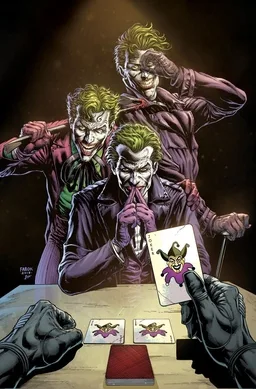
Joker
The argument-ender. No other comic book villain has this many definitive takes, from the comics page to Heath Ledger's pencil trick to Mark Hamill's laugh. He works because he's not just chaos, he's chaos aimed specifically at proving Batman is one bad day away from being him.
About Joker
The Clown Prince of Crime, first appearing in Batman #1 in 1940, is Batman's archenemy and arguably comics' most famous villain. He has no consistent origin story, which is part of the point.
- First appearance
- Batman #1 (1940)
- Known for
- No fixed origin, chaotic philosophy
Harley Quinn
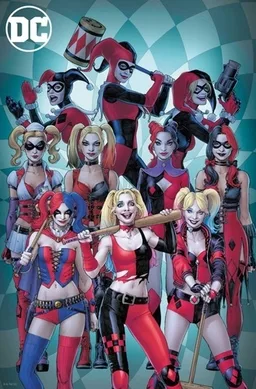
Started as a one-off Batman: The Animated Series gag and grew into one of DC's biggest characters, full stop, not just 'biggest villains.' Her arc away from the Joker is one of the few redemption stories in this gallery that actually earns its ending.
About Harley Quinn
Created for Batman: The Animated Series in 1992 before being added to the comics, Harley Quinn started as Dr. Harleen Quinzel, a psychiatrist at Arkham Asylum who fell for the Joker.
- First appearance
- Batman: The Animated Series, 1992
- Real name
- Harleen Quinzel
Catwoman
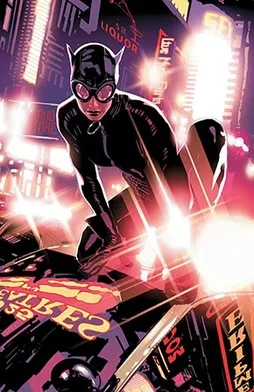
Technically a villain, mostly a complication. The will-they-won't-they with Batman has powered decades of stories because Selina Kyle never needs saving, she just needs a reason to show up. Michelle Pfeiffer's version alone would justify the tier.
About Catwoman
Selina Kyle debuted all the way back in 1940 as a jewel thief and has remained one of Batman's most enduring romantic foils and occasional allies.
- First appearance
- 1940
- Real name
- Selina Kyle
AA Tier: Gotham's finest
Bane
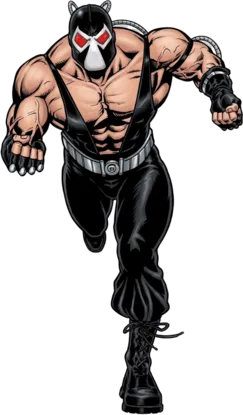
The guy who broke the Bat, literally, in Knightfall, and that single moment gave him a permanence most rogues never get. Tom Hardy's muffled voice in The Dark Knight Rises is divisive, but the character's brains-and-brawn combo is not.
About Bane
Introduced in 1993 during the Knightfall storyline, Bane is known for being the villain who physically broke Batman's back.
- First appearance
- 1993
- Known for
- Breaking Batman's back in Knightfall
Two-Face
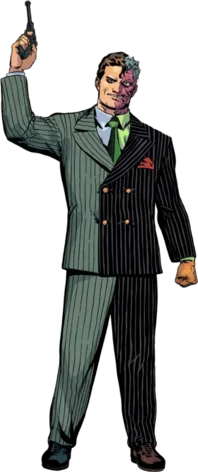
Harvey Dent's fall is the saddest origin in the gallery because he was supposed to be the good guy. The coin flip is simple, almost dumb, and that's exactly why it's stuck around this long.
About Two-Face
Harvey Dent, Gotham's former district attorney, debuted in 1942 and became one of Batman's most tragic foils after acid scarred half his face.
- First appearance
- 1942
- Signature item
- A two-headed coin
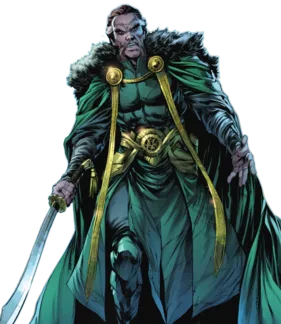
Ra's al Ghul
The only villain who out-thinks Batman on a civilizational scale instead of a street level one. Liam Neeson's version in Batman Begins made the League of Shadows feel like a real threat instead of a cult with a lazy plan.
About Ra's al Ghul
The immortal leader of the League of Assassins first appeared in 1971 and has served as a recurring long-term antagonist and occasional father-in-law figure to Batman.
- First appearance
- 1971
- Known for
- The Lazarus Pit, extended lifespan
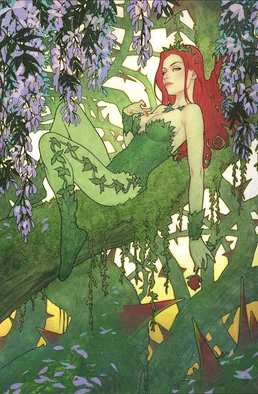
Poison Ivy
Give her credit: she turned 'eco-terrorist with mind control pheromones' into one of the most durable concepts in the rogues gallery. Her partnership with Harley Quinn has aged into one of the better relationships in modern DC, period.
About Poison Ivy
Pamela Isley debuted in 1966 as a botanist-turned-eco-terrorist with plant-based powers and mind control pheromones.
- First appearance
- 1966
- Real name
- Pamela Isley
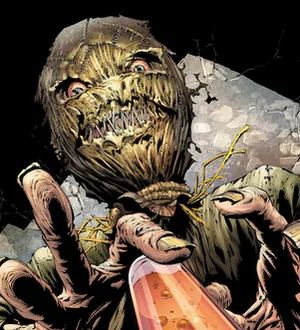
Scarecrow
Fear toxin is one of the all-time great villain gimmicks because it lets writers put Batman's own head against him. Cillian Murphy's burlap mask in Batman Begins is still the scariest single image across the Nolan trilogy.
About Scarecrow
Dr. Jonathan Crane first appeared in 1941, a former psychology professor obsessed with fear who uses toxins to exploit people's deepest phobias.
- First appearance
- 1941
- Known for
- Fear toxin
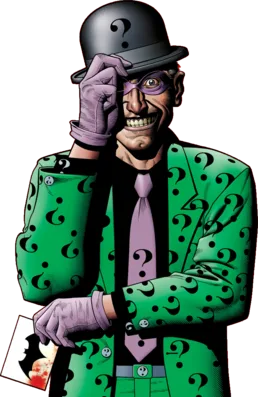
Riddler
The puzzles can tip into gimmick territory, but Paul Dano's version in The Batman reinvented him as an actual threat, not a guy leaving calling cards. When writers lean into the obsessive-compulsive genius angle instead of the green question marks, he's genuinely unsettling.
About Riddler
Edward Nygma debuted in 1948, a villain compelled to leave puzzles and riddle-based clues behind for Batman to solve.
- First appearance
- 1948
- Real name
- Edward Nygma
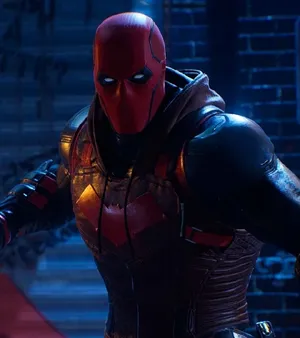
Red Hood
Red Hood brings the moral gray zone Gotham needs, a former Robin who came back wrong and started handing out bullets instead of warnings. His history with Batman gives every fight weight that a random rogue cannot match, and he actually wins often enough to matter. Sits with the strong second tier, just a notch below the untouchable icons at the top.
About Red Hood
An identity most associated with Jason Todd, the second Robin, who returned from death as a violent vigilante/antihero in the 2005 'Under the Red Hood' storyline.
- First appearance
- Under the Red Hood, 2005
- Real name
- Jason Todd
BB Tier: Reliable and memorable
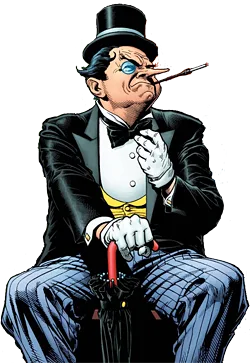
Penguin
Oswald Cobblepot works best as Gotham's underworld middleman, the guy who knows everyone and owes everyone. Colin Farrell and the Penguin show gave him real pathos recently, proving there's more here than the umbrella gimmick.
About Penguin
Oswald Cobblepot has been one of Batman's rogues since 1941, usually portrayed as Gotham's underworld broker who runs crime like a business.
- First appearance
- 1941
- Known for
- The Iceberg Lounge nightclub
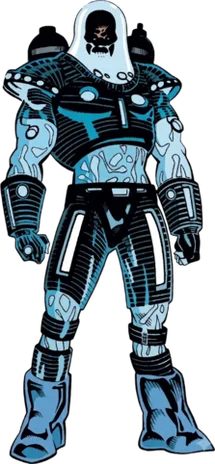
Mr. Freeze
Batman: The Animated Series' 'Heart of Ice' episode single-handedly turned a C-list gimmick villain into a tragic figure, and the comics never looked back. Without that episode, he's just a guy with a freeze gun; with it, he's one of the saddest characters Batman fights.
About Mr. Freeze
Originally a campier villain called Mr. Zero when he debuted in 1959, the character was reinvented as the tragic Victor Fries in the 1990s.
- First appearance
- 1959, as Mr. Zero
- Known for
- Trying to cure or revive his frozen wife Nora
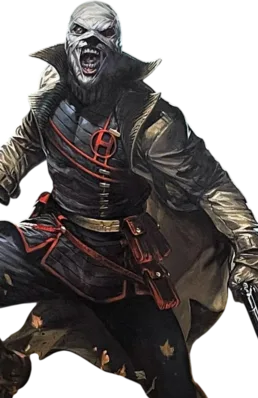
Hush
Tommy Elliot works best as a plot device, the childhood friend turned surgeon turned master manipulator pulling other villains' strings. The 'Hush' storyline is genuinely great; the character solo has never quite matched it since.
About Hush
Tommy Elliot, a childhood friend of Bruce Wayne turned surgeon and master manipulator, debuted in the 2002-03 'Hush' storyline.
- First appearance
- 2002
- Real name
- Thomas Elliot
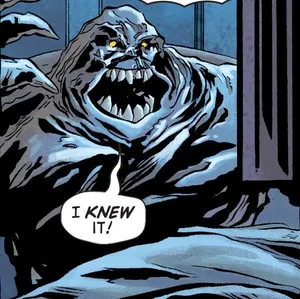
Clayface
A shapeshifter who can literally become anyone is a great concept that's been passed between multiple characters over the years, which keeps him fresh but also a little inconsistent. When writers use him as a tragic failed actor, he's one of the more interesting mid-tier rogues.
About Clayface
A shapeshifting villain identity that has passed between several characters since 1940, most famously failed actor Basil Karlo and later Matt Hagen.
- First appearance
- 1940
- Known for
- Shapeshifting, mimicking other people
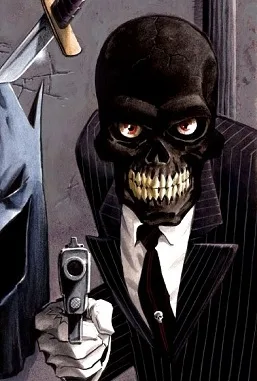
Black Mask
Roman Sionis is Gotham's crime boss with a genuinely disturbing personal brand, the skull mask and the torture. He's never quite broken through to top-tier status, but Birds of Prey gave him a mean, petty energy that worked.
About Black Mask
Roman Sionis, debuting in 1985, is a Gotham crime boss known for wearing a black skull mask and running a criminal organization called the False Face Society.
- First appearance
- 1985
- Real name
- Roman Sionis
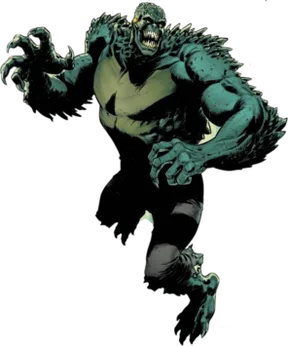
Killer Croc
Mostly used as muscle, which undersells a character whose whole deal, a man who looks more reptile than human, is genuinely tragic when writers bother to dig in. Most of the time, though, he's just there to hit Batman really hard.
About Killer Croc
Waylon Jones first appeared in 1983, a villain with a skin condition that gives him a reptilian appearance and immense strength.
- First appearance
- 1983
- Real name
- Waylon Jones
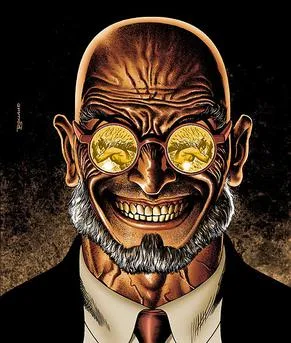
Hugo Strange
The psychiatrist who figured out Batman's secret identity before almost anyone else is a terrific idea that keeps getting underused. Arkham City leaned into his scheming, control-freak energy better than most comics have.
About Hugo Strange
A psychiatrist and one of Batman's earliest villains, debuting in 1940, Hugo Strange was one of the first characters to deduce Batman's secret identity.
- First appearance
- 1940
- Known for
- Discovering Batman's identity
CC Tier: Fine in small doses
Mad Hatter
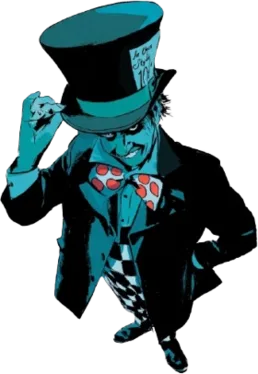
Mind control hats and Alice in Wonderland references are a fun gimmick, but Jervis Tetch rarely gets stories that go deeper than 'creepy guy with tech.' He works in small doses, usually as a B-plot villain-of-the-week.

Talia al Ghul
Daughter of Ra's, mother of Damian Wayne, on-and-off love interest to Bruce: Talia's importance to Batman's family tree is bigger than her importance as an actual standalone villain. She's more interesting for who she's connected to than for what she does herself.
About Talia al Ghul
Daughter of Ra's al Ghul, Talia debuted in 1972 and has had a long, complicated romantic history with Bruce Wayne, including being the mother of their son Damian Wayne.
- First appearance
- 1972
- Known for
- Mother of Damian Wayne
Man-Bat
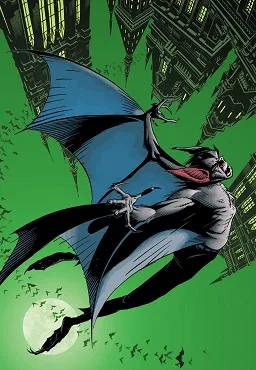
A scientist who turns himself into a giant bat monster is a cool body-horror idea that's never quite escaped 'one good episode' territory. Kirk Langstrom shows up, causes a memorable set piece, and disappears for a few years.
About Man-Bat
Dr. Kirk Langstrom, debuting in 1970, is a scientist who transformed himself into a giant bat-like creature using an experimental serum.
- First appearance
- 1970
- Real name
- Kirk Langstrom
Deadshot
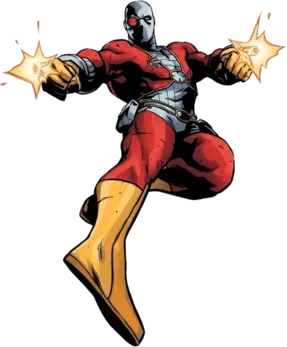
Technically more a Suicide Squad fixture than a core Batman villain at this point, but the world's best assassin with a death wish is too good a hook to leave off. His rivalry with Batman works best when writers remember he's not actually a Joker-tier threat, just the most competent guy in any room.
About Deadshot
Floyd Lawton, debuting in 1977, is an elite assassin known for near-perfect marksmanship and a recurring role with the Suicide Squad.
- First appearance
- 1977
- Real name
- Floyd Lawton
Victor Zsasz
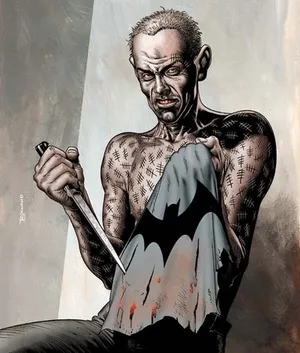
The tally marks on his own skin for every kill are one of the creepiest visual details in the gallery, but as a character he's mostly a scary cameo rather than a lead threat. Great henchman-tier villain, rarely the main event.
About Victor Zsasz
A serial killer who debuted in 1992, Zsasz carves a tally mark into his own skin for every victim he kills.
- First appearance
- 1992
- Known for
- Tally mark scars
DD Tier: Mostly filler
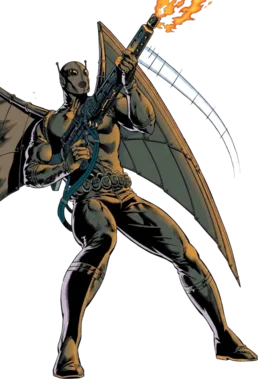
Firefly
A guy with a flamethrower suit is a fine visual and a thin character. He shows up, burns something down, gets put in Arkham, repeat.
About Firefly
Garfield Lynns is a pyromaniac villain equipped with a flame-based suit, first appearing in 1952 and later redesigned several times over the decades.
- First appearance
- 1952
- Known for
- Flamethrower suit and wings
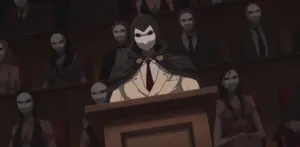
Court of Owls
A genuinely great concept on paper, a secret society that's secretly run Gotham for centuries, that hit hard in the 2011 comics run but hasn't translated well outside that one story. Great twist once, diminishing returns every time since.
About Court of Owls
A secret society said to have secretly ruled Gotham for centuries, introduced in the 2011 'The Night of the Owls' storyline during DC's New 52 era.
- First appearance
- 2011
- Known for
- The Talon assassins
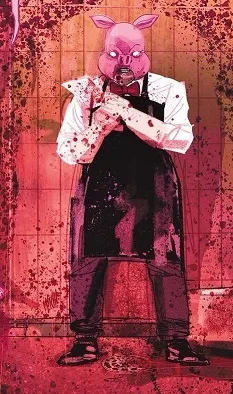
Professor Pyg
Grant Morrison's body-horror creation is unsettling in exactly the way he's supposed to be, with the surgically altered 'Dollotron' mooks, but he's a tone-specific villain who doesn't fit most takes on Batman. Great for one dark story, awkward everywhere else.
About Professor Pyg
A Grant Morrison creation introduced in 2009, Professor Pyg is known for surgically transforming people into masked, brainwashed 'Dollotrons.'
- First appearance
- 2009
- Known for
- Body horror, the Dollotrons
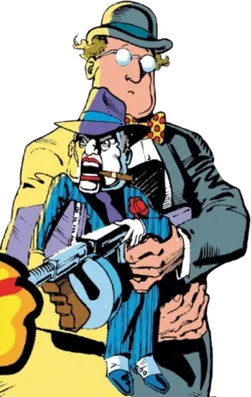
Ventriloquist
A meek little man and his puppet alter ego Scarface is a genuinely clever idea for a one-issue story, but there's not much range beyond the gimmick. He's a solid background rogue, never a main attraction.
About Ventriloquist
Arnold Wesker, debuting in 1988, is a mild-mannered criminal whose dominant, violent personality is channeled through his puppet, Scarface.
- First appearance
- 1988
- Real name
- Arnold Wesker
FF Tier: Barely a villain
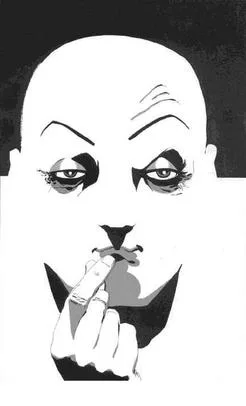
Calendar Man
A villain whose entire power is committing crimes based on the date is, charitably, a joke character, and modern comics mostly treat him that way too. Gotham's TV version tried to make him unsettling and it almost worked, but 'guy who likes holidays' is just never going to scare anyone.
About Calendar Man
A minor villain who debuted in 1958, Calendar Man commits crimes themed around dates and holidays.
- First appearance
- 1958
- Known for
- Date and holiday-themed crimes
How we ranked them
We weighed how well each villain works as a mirror or foil to Batman, how much they've shaped the character's stories across decades, and how they've held up across comics, animation, film and games. Cultural footprint counts too: an iconic line, a defining performance, a level that stuck with you. Where fandom is genuinely split, we say so and explain which way we leaned and why.
Think we got it wrong?
Drag all 27 batman villains into your own tier list, then download the image or share a link.
Rank these yourselfFAQ
Who is Batman's greatest villain?
Most fans and critics put the Joker at the top. He's the only rogue who works as both a physical threat and a philosophical mirror to Batman, and he's had multiple all-time performances across media.
Is Harley Quinn a villain or an antihero?
Both, depending on the era. She started as a straightforward Joker henchwoman in Batman: The Animated Series and has grown into more of an antihero, especially since splitting from the Joker in the comics and Birds of Prey.
Why is Catwoman ranked so high if she's not always a villain?
Catwoman has always lived in a gray zone between thief and ally, which is exactly why she's one of the most enduring characters in Batman's world. Her complicated relationship with Bruce Wayne has fueled decades of stories.
Is Red Hood really a villain?
Not consistently. Jason Todd's Red Hood identity started as an antagonist in 'Under the Red Hood' but he's since become more of a violent antihero, which is part of why he lands in the middle of this list rather than near the top.
Which Batman villain is the most underrated?
Hugo Strange gets a lot of this argument. He figured out Batman's identity before most major rogues did, and his scheming, controlling personality makes him more dangerous than his lower profile suggests.
More rankings
Image credits
- JokerCover: Wikipedia · Source
- Harley QuinnCover: Wikipedia · Source
- CatwomanCover: Wikipedia · Source
- BaneCover: Wikipedia · Source
- Two-FaceCover: Wikipedia · Source
- Ra's al GhulCover: Wikipedia · Source
- Poison IvyCover: Wikipedia · Source
- ScarecrowCover: Wikipedia · Source
- RiddlerCover: Wikipedia · Source
- PenguinCover: Wikipedia · Source
- Mr. FreezeCover: Wikipedia · Source
- HushCover: Wikipedia · Source
- ClayfaceImage: Batman Wiki (Fandom), © its owner · Source
- Black MaskCover: Wikipedia · Source
- Killer CrocCover: Wikipedia · Source
- Hugo StrangeCover: Wikipedia · Source
- Mad HatterCover: Wikipedia · Source
- Talia al GhulCover: Wikipedia · Source
- Man-BatCover: Wikipedia · Source
- DeadshotCover: Wikipedia · Source
- Victor ZsaszImage: Batman Wiki (Fandom), © its owner · Source
- FireflyCover: Wikipedia · Source
- Court of OwlsImage: Batman Wiki (Fandom), © its owner · Source
- Professor PygCover: Wikipedia · Source
- VentriloquistCover: Wikipedia · Source
- Calendar ManCover: Wikipedia · Source
- Red HoodImage: Batman Wiki (Fandom), © its owner · Source