

















Best National Parks in the US, Ranked
Twenty parks (and two honorary members that aren't technically national parks, more on that below), ranked by what actually makes a park great: the scenery, the wildlife, the trails, and that feeling you get when you round a corner and just stop walking.
This list leans on years of forum debates, ranger recommendations, and traveler reviews, plus our own opinions where the crowd can't agree. Disagree with the order? Good. That's what the comments are for.
The list
- 1
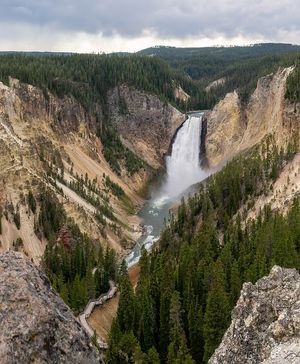 Yellowstone National Park
- 2
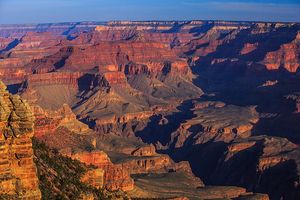 Grand Canyon National Park
- 3
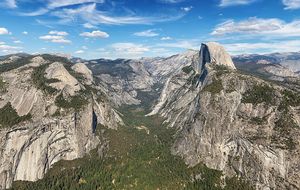 Yosemite National Park
- 4
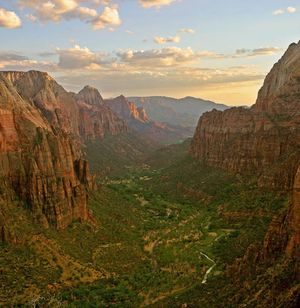 Zion National Park
- 5
 Great Smoky Mountains National Park
- 6
 Rocky Mountain National Park
- 7
 Sequoia National Park
- 8
 Glacier National Park
- 9
 Denali National Park
- 10
 Acadia National Park
- 11
 Everglades National Park
- 12
 Joshua Tree National Park
- 13
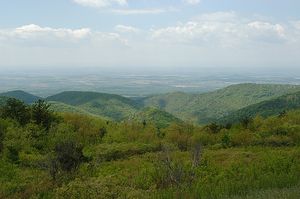 Shenandoah National Park
- 14
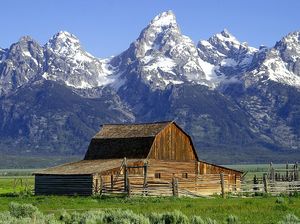 Grand Teton National Park
- 15
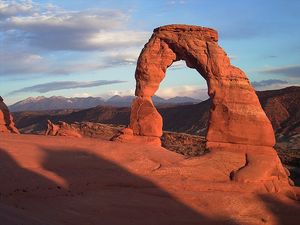 Arches National Park
- 16
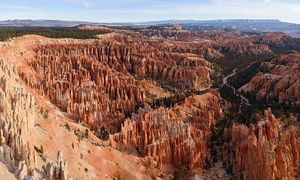 Bryce Canyon National Park
- 17
 Death Valley National Park
- 18
 Olympic National Park
- 19
 Crater Lake National Park
- 20
 Kings Canyon National Park
- 21
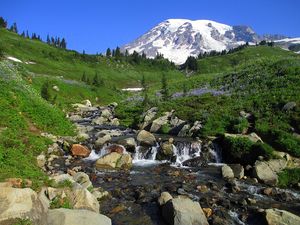 Mount Rainier National Park
- 22
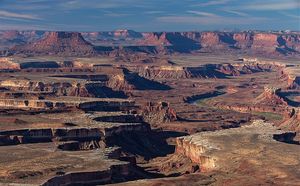 Canyonlands National Park
- 23
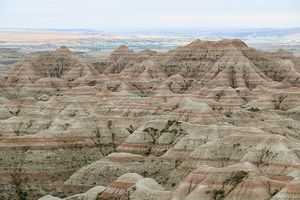 Badlands National Park
- 24
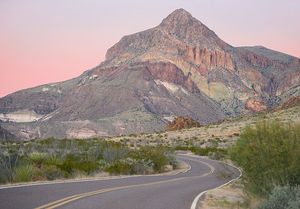 Big Bend National Park
The community’s list fills in as members vote. It appears once 5 members have ranked or voted on these.
Think you can rank them better?
Make your own listFree account. Your ranking stays private unless you share it, and it counts toward the community list.Vote
#1 to #10
1 Yellowstone National Park
The original, and still the standard everyone else gets measured against. Geysers, mud pots, a canyon with its own waterfall, wolves, bison wandering across the road holding up traffic. Old Faithful gets the crowds, but the Lamar Valley at dawn is where Yellowstone actually shows off.
About Yellowstone National Park
Established in 1872, Yellowstone was the first national park in the world, spanning parts of Wyoming, Montana, and Idaho. It sits atop a volcanic hotspot, home to more geysers and hot springs than anywhere else on earth.
- Established
- 1872
- States
- Wyoming, Montana, Idaho
2 Grand Canyon National Park
Photos don't do it justice and everyone says that, but it's true. The scale just doesn't compute until you're standing on the rim. South Rim gets the visitors, North Rim gets the solitude, and either way the sunset show is free.
About Grand Canyon National Park
Located in northern Arizona, the Grand Canyon was carved by the Colorado River over millions of years. It became a national park in 1919 and is a UNESCO World Heritage Site.
- Established
- 1919
- State
- Arizona
3 Yosemite National Park
Half Dome and El Capitan aren't just pretty, they're the reason modern rock climbing looks the way it does. Yosemite Valley in spring, with waterfalls running at full volume, is one of the best short drives in the entire park system.
About Yosemite National Park
Located in California's Sierra Nevada, Yosemite is known for its granite cliffs, waterfalls, and giant sequoia groves. John Muir's advocacy helped shape its early protection.
- Established
- 1890
- State
- California
4. Zion National Park
Angels Landing has the chains and the drop-offs that make your palms sweat just reading about it. The Narrows, hiking through the river between thousand-foot walls, is the kind of trail you tell people about for years.
About Zion National Park
Located in southwestern Utah, Zion is known for its steep red sandstone cliffs and the Virgin River, which carved Zion Canyon over time.
- Established
- 1919
- State
- Utah
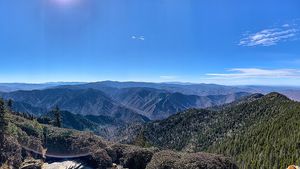
5. Great Smoky Mountains National Park
The most-visited national park in the country, and it's not close. Free entry, easy access from the East Coast, synchronous fireflies in early summer, and enough black bears that you'll probably see one without trying too hard.
About Great Smoky Mountains National Park
Straddling the border of Tennessee and North Carolina, this park protects part of the Appalachian Mountains and is known for its biodiversity and misty ridgelines.
- Established
- 1934
- States
- Tennessee, North Carolina
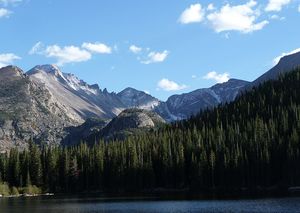
6. Rocky Mountain National Park
Trail Ridge Road climbs above 12,000 feet and turns into actual tundra, elk bugling in the meadows every fall. It's the most accessible taste of true alpine scenery in the Lower 48.
About Rocky Mountain National Park
Located in north-central Colorado, this park protects a stretch of the Rocky Mountains including alpine tundra and dozens of peaks over 12,000 feet.
- Established
- 1915
- State
- Colorado
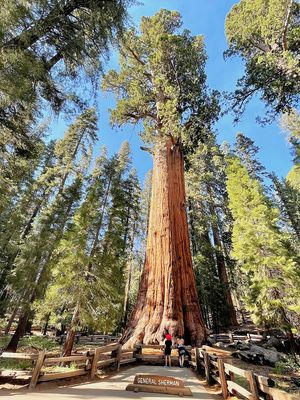
7. Sequoia National Park
Home to General Sherman, the largest tree on the planet by volume, and walking among trunks that wide never gets old. Pair it with Kings Canyon next door and you've got a two-for-one trip through some of the oldest living things on Earth. The Giant Forest alone is worth the drive up from the valley floor.
About Sequoia National Park
Located in the southern Sierra Nevada of California, this park protects groves of giant sequoia trees, including some of the largest trees on Earth by volume. It also contains rugged mountain terrain, including Mount Whitney near its boundary.
- Location
- California
- Established
- 1890
- Known for
- Giant sequoia trees, General Sherman Tree, Sierra Nevada mountains
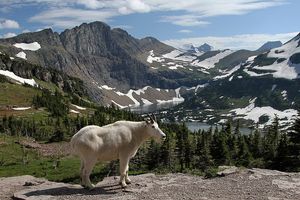
8. Glacier National Park
Going-to-the-Sun Road is the drive people plan entire trips around, cutting straight through mountains that still hold glaciers, for now. Remote, less crowded than the big names, and full of grizzly country hiking that feels genuinely wild.
About Glacier National Park
Located in Montana along the Canadian border, Glacier is known for its rugged peaks, alpine lakes, and shrinking glaciers.
- Established
- 1910
- State
- Montana
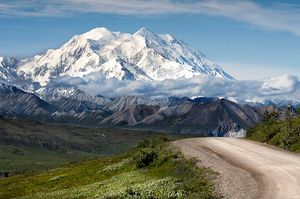
9. Denali National Park
One mountain, one road, and more wilderness than most people can process in a single trip. Denali itself hides behind clouds more often than not, but the tundra, the grizzlies, and the sheer scale of the place make it feel like a different country. Getting deep into the park means a bus, not a car, which keeps it wild.
About Denali National Park
Located in central Alaska, this park surrounds Denali, the tallest mountain peak in North America. It spans vast subarctic wilderness, including tundra, glaciers, and forest, and is home to wildlife such as grizzly bears, caribou, and wolves.
- Location
- Alaska
- Established
- 1917
- Known for
- Denali (Mount McKinley), wildlife, wilderness
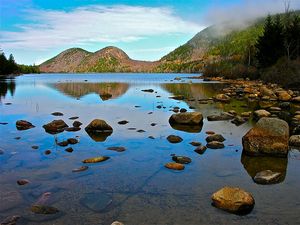
10. Acadia National Park
Rocky Maine coastline meets actual mountains, which is a combination you don't get anywhere else in the park system. Cadillac Mountain is famous for being one of the first spots in the US to catch the sunrise.
About Acadia National Park
Located on Mount Desert Island in Maine, Acadia protects a rocky Atlantic coastline along with forested mountains, including Cadillac Mountain.
- Established
- 1919
- State
- Maine
#11 to #24
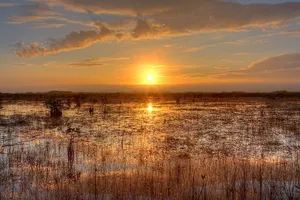
11. Everglades National Park
Not a single mountain or canyon in sight, and that's exactly the point. This is the only place on the list where you can glide through sawgrass marsh in an airboat and spot an alligator sunning ten feet from a heron. It's slower, weirder, and completely unlike anywhere else in the system.
About Everglades National Park
A vast subtropical wetland park in southern Florida, protecting a unique ecosystem of sawgrass marshes, mangroves, and diverse wildlife including alligators and manatees. It is recognized internationally as a wetland of global importance.
- Location
- Florida
- Established
- 1947
- Known for
- Wetlands, alligators, mangroves, biodiversity
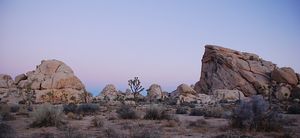
12. Joshua Tree National Park
Two deserts collide here, the Mojave and the Colorado, which is why the landscape flips between twisted Joshua trees and giant boulder piles. Rock climbers love it, stargazers love it more, the night skies are some of the darkest around.
About Joshua Tree National Park
Located in southern California, Joshua Tree sits at the meeting point of the Mojave and Colorado deserts, named for its distinctive namesake trees.
- Established
- 1994
- State
- California
13. Shenandoah National Park
Skyline Drive is the whole show here, a ribbon of road along the ridge with overlook after overlook of the Blue Ridge Mountains rolling out in blue-gray layers. Old Rag Mountain is the hike everyone talks about, scrambles and all. It's an easy weekend trip if you're anywhere near D.C.
About Shenandoah National Park
A park in Virginia that stretches along a section of the Blue Ridge Mountains, part of the Appalachian range. It is traversed by the scenic Skyline Drive and includes a long segment of the Appalachian Trail.
- Location
- Virginia
- Established
- 1935
- Known for
- Skyline Drive, Blue Ridge Mountains, waterfalls
14. Grand Teton National Park
Jagged peaks that shoot straight up from the valley floor with almost no foothills to soften the effect. Jenny Lake reflecting the range on a still morning is the postcard shot, and it's real.
About Grand Teton National Park
Located in northwestern Wyoming just south of Yellowstone, this park protects the dramatic Teton mountain range and the valley known as Jackson Hole.
- Established
- 1929
- State
- Wyoming
15. Arches National Park
Over 2,000 sandstone arches packed into one park, more than anywhere else on earth. Delicate Arch is the one on Utah's license plate, and the hike out to it at sunset is worth the crowds it draws.
About Arches National Park
Located near Moab, Utah, Arches protects the highest density of natural sandstone arches in the world, including the famous Delicate Arch.
- Established
- 1971
- State
- Utah
16. Bryce Canyon National Park
Not actually a canyon, it's a series of natural amphitheaters filled with hoodoos, those orange rock spires that look almost too strange to be real. Sunrise Point at, well, sunrise, turns the whole place pink and orange.
About Bryce Canyon National Park
Located in southern Utah, Bryce Canyon protects a series of natural amphitheaters filled with hoodoos, tall thin spires of colorful rock.
- Established
- 1928
- State
- Utah
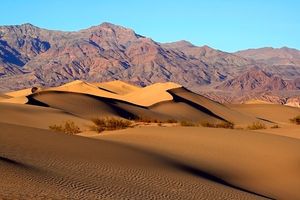
17. Death Valley National Park
The lowest, hottest, driest spot in North America, and somehow still beautiful. Badwater Basin's salt flats and the wildflower super blooms that show up in wet years make it far stranger and more alive than the name suggests.
About Death Valley National Park
Located along the California-Nevada border, Death Valley holds the record for the lowest elevation in North America and some of the hottest temperatures ever recorded on earth.
- Established
- 1994
- States
- California, Nevada
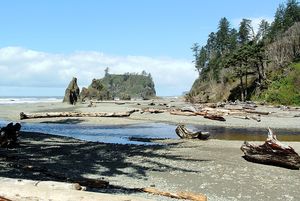
18. Olympic National Park
Three completely different ecosystems in one park: rainforest, glacier-capped mountains, and wild Pacific coastline. The Hoh Rainforest, dripping in moss, feels like a different planet from the rest of the park system.
About Olympic National Park
Located on Washington's Olympic Peninsula, this park protects temperate rainforest, glacier-capped mountains, and miles of wild Pacific coastline within one boundary.
- Established
- 1938
- State
- Washington
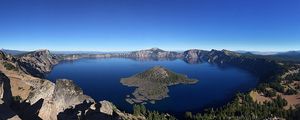
19. Crater Lake National Park
The deepest lake in the US, filling an ancient volcanic caldera, and the water is a blue that photos consistently fail to capture. There's not much else to do here besides look at it, and that's kind of the point.
About Crater Lake National Park
Located in southern Oregon, Crater Lake formed in the caldera of the collapsed volcano Mount Mazama and is the deepest lake in the United States.
- Established
- 1902
- State
- Oregon
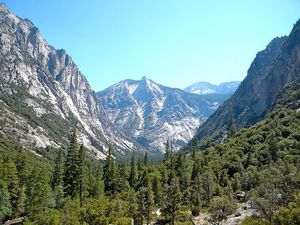
20. Kings Canyon National Park
Overshadowed by its neighbor Sequoia, which is a shame because its canyon walls rival Yosemite's and the crowds are a fraction of the size. General Grant Grove has some of the biggest trees on the planet, sequoias older than most countries.
About Kings Canyon National Park
Located in California's Sierra Nevada, adjacent to Sequoia National Park, Kings Canyon protects deep canyons and groves of giant sequoia trees.
- Established
- 1940
- State
- California
21. Mount Rainier National Park
An active volcano wrapped in wildflower meadows, which is a strange combination that somehow works. Paradise, the aptly named area on the mountain's south side, gets some of the heaviest snowfall recorded anywhere on earth.
About Mount Rainier National Park
Located in Washington state, this park protects Mount Rainier, an active stratovolcano and the most glaciated peak in the contiguous United States.
- Established
- 1899
- State
- Washington
22. Canyonlands National Park
Utah's biggest national park and its least crowded, a maze of canyons, mesas, and buttes carved by the Colorado and Green Rivers. Mesa Arch at sunrise is one of the most photographed spots in the state, for good reason.
About Canyonlands National Park
Located near Moab, Utah, Canyonlands is the largest national park in Utah, carved by the confluence of the Colorado and Green Rivers into canyons, mesas, and buttes.
- Established
- 1964
- State
- Utah
23. Badlands National Park
Striped buttes and jagged spires that look like they belong on Mars, not South Dakota. It's small enough to see a lot of in a day, but the sunset light hitting those layered rock formations is the kind of thing that sticks with you. Bighorn sheep wandering right along the road are a nice bonus.
About Badlands National Park
Located in southwestern South Dakota, this park is known for its dramatic layered rock formations, sharply eroded buttes, and expansive mixed-grass prairie. It also protects fossil beds containing ancient mammal remains.
- Location
- South Dakota
- Established
- 1978
- Known for
- Eroded rock formations, fossil beds, prairie grasslands
24. Big Bend National Park
Way out in far west Texas, where the Rio Grande carves through canyons and the desert stars come out brighter than almost anywhere else in the country. It's remote enough that you'll actually have the trails to yourself. Santa Elena Canyon and the hot springs by the river make the long drive worth it.
About Big Bend National Park
A remote national park in west Texas along the Rio Grande, bordering Mexico. It encompasses desert, river canyons, and the Chisos Mountains, making it one of the most ecologically diverse parks in the country.
- Location
- West Texas
- Established
- 1944
- Known for
- Rio Grande river canyons, Chisos Mountains, dark night skies
How we ranked them
We weighed scenery and "wow factor," biodiversity and wildlife viewing, trail variety for different skill levels, crowd levels versus solitude, and how well each park protects something you genuinely can't see anywhere else. Accessibility and seasonal reliability mattered too. Two entries on this list, Moab and Antelope Canyon, aren't officially National Parks, but they came up constantly in fan discussions, so we ranked them alongside the rest with that caveat noted.
Think we got it wrong?
Drag all 24 national parks in the us into your own list, then download the image or share a link.
Rank these yourselfFAQ
What is the most visited national park in the US?
Great Smoky Mountains National Park, by a wide margin, partly because it's free to enter and easy to reach from major East Coast cities.
Is Moab a national park?
No. Moab is a town in Utah that sits near Arches and Canyonlands National Parks, but fans bring it up so often as a park-trip destination that we included it here.
Is Antelope Canyon a national park?
No. It's on Navajo Tribal land in Arizona and requires a guided tour to visit, but it's one of the most photographed natural sites in the country.
Which national park has the best wildlife viewing?
Yellowstone is the consensus pick, with wolves, bison, elk, and grizzly bears all visible from the road in the right season, especially in the Lamar Valley.
What's the least crowded major national park on this list?
Kings Canyon and Canyonlands both get a fraction of the visitors that similar-looking parks like Yosemite and Arches do.
More rankings
Image credits
- Yellowstone National ParkPhoto: Rhododendrites, CC BY-SA 4.0 (Wikimedia Commons) · License · Source
- Grand Canyon National ParkPhoto: Murray Foubister, CC BY-SA 2.0 (Wikimedia Commons) · License · Source
- Yosemite National ParkPhoto: Thomas Wolf, www.foto-tw.de, CC BY-SA 3.0 (Wikimedia Commons) · License · Source
- Zion National ParkPhoto: Diliff, CC BY-SA 3.0 (Wikimedia Commons) · License · Source
- Great Smoky Mountains National ParkPhoto: AppalachianCentrist, CC BY-SA 4.0 (Wikimedia Commons) · License · Source
- Rocky Mountain National ParkPhoto: Daniel Mayer (Mav), CC BY-SA 3.0 (Wikimedia Commons) · License · Source
- Sequoia National ParkPhoto: Marty Aligata, CC BY-SA 4.0 (Wikimedia Commons) · License · Source
- Glacier National ParkPhoto: Robert M. Russell, CC BY-SA 4.0 (Wikimedia Commons) · License · Source
- Denali National ParkPhoto: Denali National Park and Preserve, Public domain (Wikimedia Commons) · Source
- Acadia National ParkPhoto: Plh1234us, CC BY-SA 3.0 (Wikimedia Commons) · License · Source
- Everglades National ParkPhoto: Everglades NPS from Homestead, Florida, United States, Public domain (Wikimedia Commons) · Source
- Joshua Tree National ParkPhoto: Jarek Tuszyński, CC BY-SA 3.0 (Wikimedia Commons) · License · Source
- Shenandoah National ParkPhoto: G. Edward Johnson, CC BY 4.0 (Wikimedia Commons) · License · Source
- Grand Teton National ParkPhoto: Jon Sullivan, PD Photo., Public domain (Wikimedia Commons) · Source
- Arches National ParkPhoto: Palacemusic, CC BY-SA 3.0 (Wikimedia Commons) · License · Source
- Bryce Canyon National ParkPhoto: King of Hearts, CC BY-SA 4.0 (Wikimedia Commons) · License · Source
- Death Valley National ParkPhoto: Brocken Inaglory, CC BY-SA 3.0 (Wikimedia Commons) · License · Source
- Olympic National ParkPhoto: Adbar, CC BY-SA 3.0 (Wikimedia Commons) · License · Source
- Crater Lake National ParkPhoto: Athleticamps derivative work: User:Maps and stuff (cropped to 2.5:1 ratio, eliminating sign and stone structure on right while centering on lake; increased brightness in dark areas; saved as a high qu, CC BY-SA 4.0 (Wikimedia Commons) · License · Source
- Kings Canyon National ParkPhoto: Crd637, CC BY-SA 3.0 (Wikimedia Commons) · License · Source
- Mount Rainier National ParkPhoto: Samuel Kerr, CC BY-SA 3.0 (Wikimedia Commons) · License · Source
- Canyonlands National ParkPhoto: au_ears, CC BY-SA 2.0 (Wikimedia Commons) · License · Source
- Badlands National ParkPhoto: Martin Kraft, CC BY-SA 3.0 (Wikimedia Commons) · License · Source
- Big Bend National ParkPhoto: TripOfALifestyle.com, CC BY 4.0 (Wikimedia Commons) · License · Source