

















Dog Breeds Tier List: Ranking All 35, Best to Worst
We put 35 of the most talked-about dog breeds through the ringer, temperament, trainability, health, looks, and that intangible "would I want this dog barking at my mailman" factor. This isn't about which breed is objectively superior (every dog is a good dog), it's about what fans, trainers, and owners tend to agree on when they're being honest.
Expect some fighting words. Popular doesn't always mean good, and a few breeds that top the registration charts land lower here than you'd expect. Disagree? That's the fun of a tier list. Argue with us.
The tier list
The community’s tier list fills in as members vote. It appears once 5 members have ranked or voted on these (1 so far).
Think you can rank them better?
Make your own tier listFree account. Your ranking stays private unless you share it, and it counts toward the community tier list.Vote
SS Tier: The all-stars
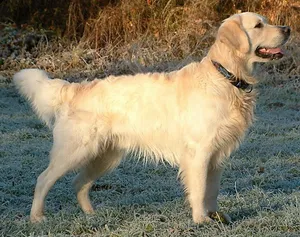
Golden Retriever
The breed everyone points to when they say 'good family dog' and they're right. Smart, patient with kids, eager to please, and that goofy grin never gets old. The only knock is health, hip issues and a worryingly high cancer rate in the breed, but temperament-wise there's nothing to complain about.
About Golden Retriever
A gentle, intelligent retriever developed in Scotland in the 19th century for retrieving waterfowl. Famous for its patience with children and widespread use as a guide and therapy dog.
- Group
- Sporting
- Lifespan
- 10-12 years
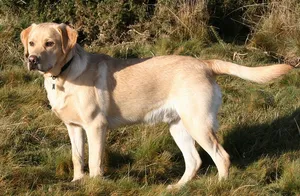
Labrador Retriever
America's most popular dog for a reason: it does everything well. Service work, hunting, couch potato duty, all of it. Labs eat like garbage disposals and need real exercise or they get destructive, but as an all-around family dog it's hard to beat.
About Labrador Retriever
A friendly, athletic sporting breed originally developed in Newfoundland to help fishermen haul nets. Known for its trainability and widespread use as a service and guide dog.
- Group
- Sporting
- Lifespan
- 10-12 years
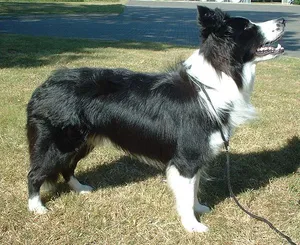
Border Collie
The smartest dog on this list, full stop. Border Collies will learn a hundred commands and still find a way to out-think you. Give one a job (herding, agility, frisbee) and it's a dream; leave one bored in an apartment and it will redecorate your couch out of sheer frustration.
About Border Collie
A herding breed from the England-Scotland border region, bred to control sheep with intense focus and widely regarded as the most trainable dog breed.
- Group
- Herding
- Lifespan
- 12-15 years
AA Tier: Excellent choices, minor asterisks
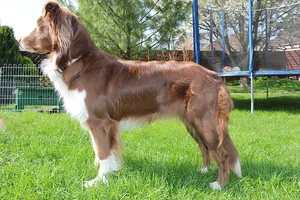
Australian Shepherd
Herding instincts, a gorgeous merle coat, and enough brains to rival the Border Collie. Aussies thrive with active families and farms, but they'll herd your toddlers and your ankles if they don't have real work to do. Not a lazy-Sunday breed.
About Australian Shepherd
Despite the name, this herding breed was actually developed in the United States, closely tied to ranch work in the American West.
- Group
- Herding
- Lifespan
- 12-15 years
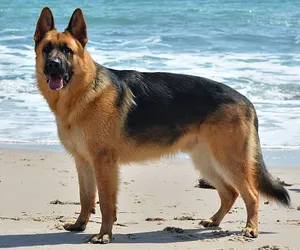
German Shepherd
Loyal, protective, and whip-smart, which is exactly why they're the default choice for police and service work. Needs early socialization and a confident owner, but a well-raised German Shepherd is as close to a perfect guardian dog as it gets.
About German Shepherd
A versatile herding breed developed in Germany in the late 1800s, now one of the most widely used working dogs in police, military, and service roles.
- Group
- Herding
- Lifespan
- 9-13 years
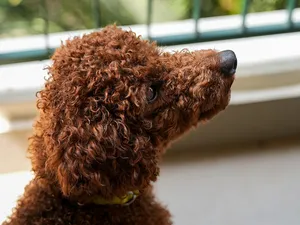
Poodle
Forget the fancy haircuts, Poodles are some of the sharpest dogs alive and the low-shedding coat makes them a favorite for allergy sufferers. Standard, Miniature, or Toy, they're all trainable overachievers hiding under that curly coat.
About Poodle
An elegant, highly trainable breed from Germany or France, originally bred as a water retriever, now found in Standard, Miniature, and Toy sizes.
- Group
- Non-Sporting
- Lifespan
- 10-18 years depending on size
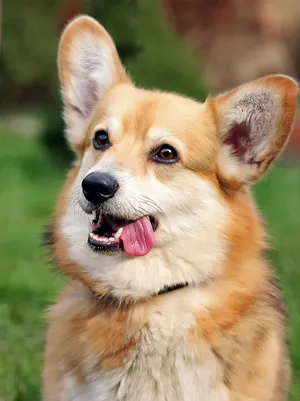
Pembroke Welsh Corgi
Short legs, big personality. Corgis were bred to herd cattle and still act like they're in charge of the household. Hugely popular for good reason: funny, affectionate, and portable, though that long back means disc problems are a real risk.
About Pembroke Welsh Corgi
A short-legged herding breed from Wales, traditionally used to herd cattle by nipping at their heels. Famous as Queen Elizabeth II's preferred breed.
- Group
- Herding
- Lifespan
- 12-13 years
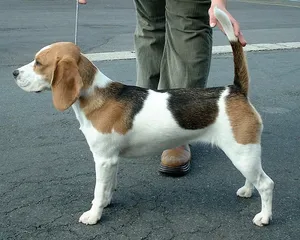
Beagle
A nose that never quits and a bark to match. Beagles are friendly, great with kids, and compact enough for most homes, but that nose will walk them straight into traffic or a neighbor's trash can if you let it. Stubborn in training, worth it anyway.
About Beagle
A compact scent hound from England, bred for hunting rabbits in packs. Known for its powerful nose and friendly, food-motivated personality.
- Group
- Hound
- Lifespan
- 10-15 years
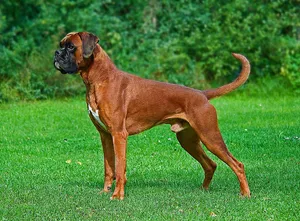
Boxer
Bouncy, affectionate, and patient with children in a way that surprises people who only know the breed's goofy reputation. Boxers stay puppy-like well into adulthood, which is charming until you remember they're 60-plus pounds of muscle doing zoomies in your kitchen.
About Boxer
A muscular German working breed descended from bull-baiting dogs, known today for its boundless energy and affectionate nature.
- Group
- Working
- Lifespan
- 10-12 years
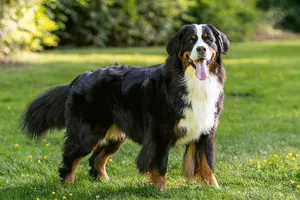
Bernese Mountain Dog
Enormous, gentle, and devoted, Berners are the definition of a gentle giant.
About Bernese Mountain Dog
A large Swiss working breed historically used to pull carts and guard farms in the Alps, known for its striking tricolor coat.
- Group
- Working
- Lifespan
- 7-10 years
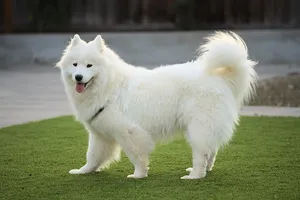
Samoyed
That permanent 'Sammy smile' isn't false advertising, these are genuinely cheerful, friendly dogs. The all-white coat looks like a full-time job because it is one, expect tumbleweeds of fur year-round.
About Samoyed
A fluffy white spitz breed developed by the Samoyedic peoples of Siberia to herd reindeer and pull sleds.
- Group
- Working
- Lifespan
- 12-14 years
BB Tier: Solid dogs, know what you're getting into
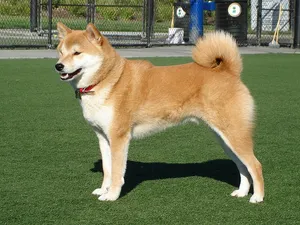
Shiba Inu
Independent, clean, cat-like in attitude. Shiba Inus are devoted to their people but notoriously allergic to recall commands, letting one off-leash in an open field is a coin flip. The 'shiba scream' when they're unhappy has to be heard to be believed.
About Shiba Inu
An ancient Japanese hunting breed, one of the oldest and smallest native Japanese dog breeds, now popular as a companion worldwide.
- Group
- Non-Sporting
- Lifespan
- 13-16 years
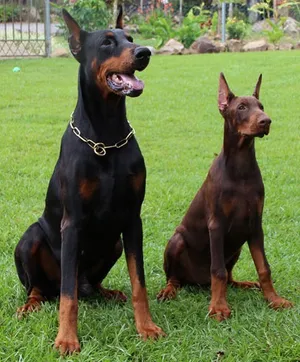
Doberman
Sleek, athletic, and far more affectionate at home than the intimidating reputation suggests. Dobermans bond hard with their family and are genuinely great protectors, but they need consistent training and enough exercise to burn off that high energy.
About Doberman
A sleek guard breed developed in Germany in the 1890s by a tax collector who reportedly wanted a protective companion.
- Group
- Working
- Lifespan
- 10-13 years
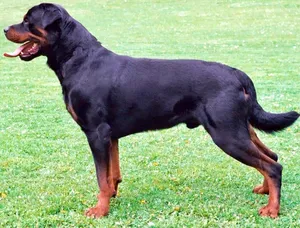
Rottweiler
Confident and loyal, with a reputation that's more about bad owners than bad dogs. A properly socialized Rottweiler is calm, affectionate, and an excellent watchdog. They need firm, early training, this isn't a breed to wing it with.
About Rottweiler
A powerful German working breed descended from Roman drover dogs, historically used to herd cattle and pull carts.
- Group
- Working
- Lifespan
- 9-10 years
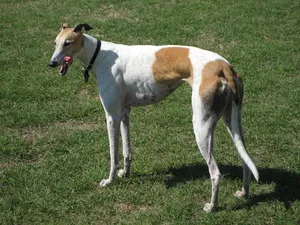
Greyhound
The fastest dog breed in the world, and also one of the laziest once it's off the track. Greyhounds are surprisingly low-energy couch dogs who want a sprint and then a twelve-hour nap. Thin skin and a short coat mean they feel the cold hard.
About Greyhound
An ancient sighthound breed bred for speed, capable of reaching speeds up to 45 miles per hour and widely used historically in racing.
- Group
- Hound
- Lifespan
- 10-13 years
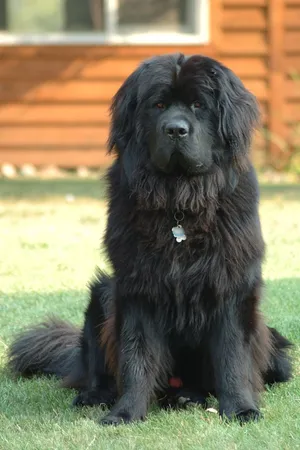
Newfoundland
A gentle, water-loving giant with a drooling problem that rivals its devotion to kids. Newfies are natural lifeguards (literally bred for water rescue) but the size and shedding are not for the faint of heart.
About Newfoundland
A giant working breed from Newfoundland, Canada, historically used by fishermen for water rescue and hauling nets.
- Group
- Working
- Lifespan
- 9-10 years
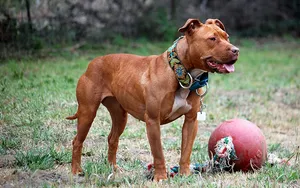
Pit Bull
Loyal, goofy, and far gentler with people than the headlines suggest, most of the breed's bad reputation comes from irresponsible owners, not the dog. Needs an owner who'll handle breed-specific legislation and stereotyping as much as training.
About Pit Bull
A catch-all term generally referring to the American Pit Bull Terrier and similar breeds, originally bred in England and brought to the US.
- Group
- Terrier (varies by registry)
- Lifespan
- 12-16 years
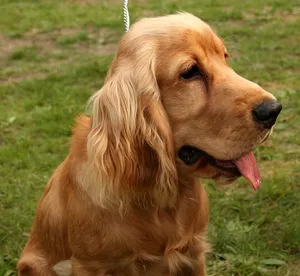
Cocker Spaniel
Sweet-natured and eager to please, with those soulful eyes doing a lot of the work. Cocker Spaniels need serious grooming commitment and are prone to ear infections thanks to those gorgeous floppy ears.
About Cocker Spaniel
A sporting breed originally bred in England to hunt woodcock, now one of the most popular companion spaniels.
- Group
- Sporting
- Lifespan
- 10-14 years
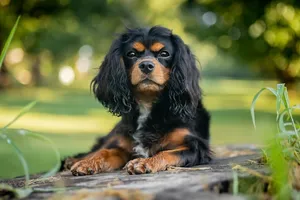
Cavalier King Charles Spaniel
About as sweet-tempered as dogs get, Cavaliers get along with everyone and everything. Unfortunately the breed has serious heart health issues that shorten lifespans, a sad trade-off for such an easygoing companion.
About Cavalier King Charles Spaniel
A small, affectionate toy breed named after King Charles II of England, who reportedly kept them by the dozen.
- Group
- Toy
- Lifespan
- 9-14 years
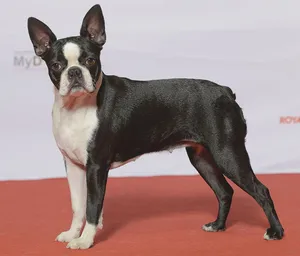
Boston Terrier
The 'American Gentleman' earns its nickname: tidy, friendly, low on drama. Flat face means heat sensitivity and some breathing issues, but overall a low-maintenance, apartment-friendly dog with real personality.
About Boston Terrier
A companion breed developed in Boston, Massachusetts in the 19th century, nicknamed the 'American Gentleman' for its tuxedo-like coat markings.
- Group
- Non-Sporting
- Lifespan
- 11-13 years
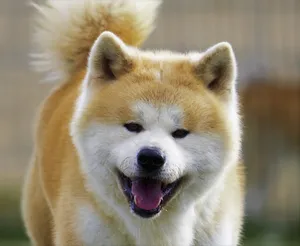
Akita
Dignified, loyal to the point of legend (look up Hachiko), and fiercely protective of family. Akitas can be aloof or outright reactive with other dogs, so this is a breed for an experienced, committed owner, not a first-timer.
About Akita
A large, dignified spitz breed from Japan, historically used for guarding and hunting, and a national symbol of Japan.
- Group
- Working
- Lifespan
- 10-13 years
CC Tier: Great for the right owner only
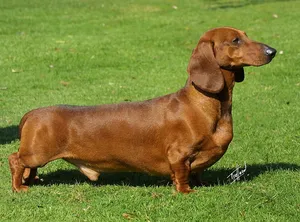
Dachshund
Big dog energy in a tiny, sausage-shaped body. Dachshunds are funny and fiercely loyal but that long spine is a genuine liability, back injuries are common, and stairs are the enemy. Stubborn in training too.
About Dachshund
A long, low German breed bred to hunt badgers underground, hence the name (literally 'badger dog').
- Group
- Hound
- Lifespan
- 12-16 years
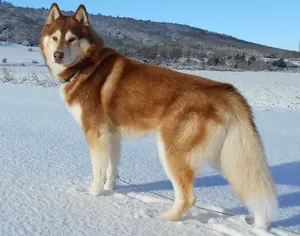
Siberian Husky
Gorgeous, athletic, and an absolute handful. Huskies were built to run for miles and they will escape your yard to do it if given half a chance. The howling, the shedding, the selective hearing, it's a lot of dog for people who aren't ready.
About Siberian Husky
A medium-sized working breed developed by the Chukchi people of Siberia to pull sleds across long distances.
- Group
- Working
- Lifespan
- 12-14 years
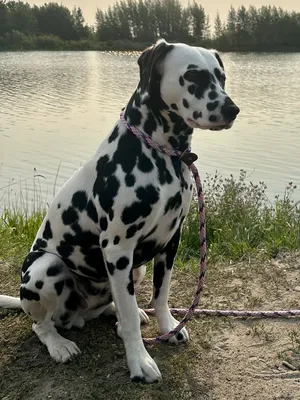
Dalmatian
Striking looks and a ton of energy, Dalmatians need more exercise and mental stimulation than most owners expect walking in with 101 Dalmatians nostalgia. Also prone to deafness and urinary stones, so health screening really matters here.
About Dalmatian
A distinctively spotted breed with uncertain origins, historically used as a carriage dog and firehouse mascot.
- Group
- Non-Sporting
- Lifespan
- 11-13 years
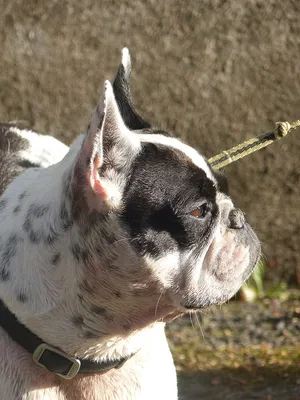
French Bulldog
Hugely popular right now, and we get the appeal, that bat-eared face is irresistible. But breathing problems from the flat face are no joke, many can't handle heat, long walks, or even normal exercise without distress. Vet bills tend to follow.
About French Bulldog
A small companion breed with bat-like ears, descended from miniature Bulldogs brought to France by English lace workers. Currently one of the most popular breeds worldwide.
- Group
- Non-Sporting / Companion
- Lifespan
- 10-12 years
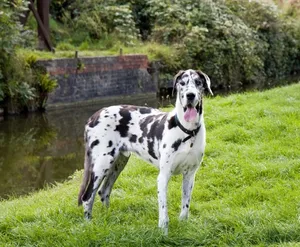
Great Dane
A gentle giant that thinks it's a lap dog, which is a problem when it weighs more than you. Sweet-natured and patient, but the size brings a short lifespan and health costs that catch new owners off guard.
About Great Dane
A giant German breed originally bred to hunt wild boar, now known as a gentle household companion despite its massive size.
- Group
- Working
- Lifespan
- 7-10 years
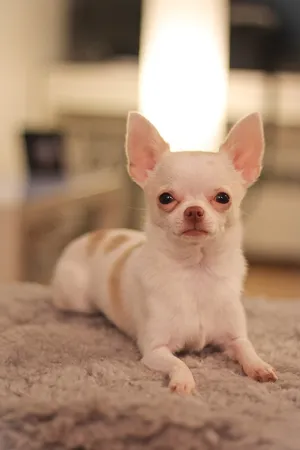
Chihuahua
Tiny body, enormous attitude. Chihuahuas are fiercely loyal to their favorite person and fiercely suspicious of literally everyone else. Great for someone who wants a low-shedding lapdog and doesn't mind the Napoleon complex.
About Chihuahua
The smallest dog breed in the world, named after the Mexican state where it's believed to have originated.
- Group
- Toy
- Lifespan
- 12-18 years
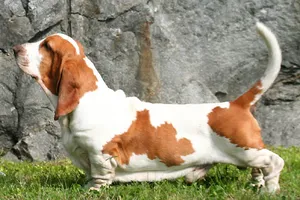
Basset Hound
Those ears and that nose are built for tracking scent, and the laid-back temperament makes them easy to live with. The flip side: stubborn, slow to train, and prone to ear and back issues from that long, low build.
About Basset Hound
A low, heavy-boned scent hound developed in France, bred to hunt at a pace hunters on foot could keep up with.
- Group
- Hound
- Lifespan
- 10-12 years
DD Tier: Lots of love, lots of headaches
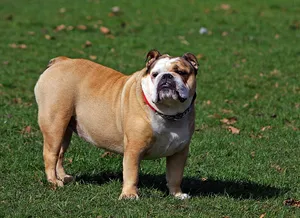
Bulldog
That wrinkly face and low-slung waddle are beloved, but Bulldogs pay for it with chronic breathing problems, joint issues, and a lifespan shorter than most breeds on this list. We love the look, we worry about the dog.
About Bulldog
A stocky English breed originally bred for bull-baiting, now kept purely as a companion animal known for its calm, loyal temperament.
- Group
- Non-Sporting
- Lifespan
- 8-10 years
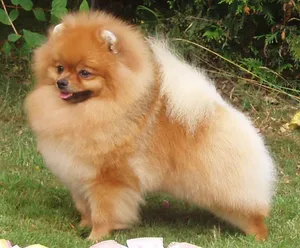
Pomeranian
Fluffy and full of confidence, Pomeranians act like they don't know they're five pounds. Yappy by reputation, and that giant coat needs constant brushing or it mats fast. Fun dog, high-maintenance in more ways than one.
About Pomeranian
A small spitz-type breed descended from larger sled-pulling dogs in the Pomerania region of Central Europe, bred down in size over generations.
- Group
- Toy
- Lifespan
- 12-16 years
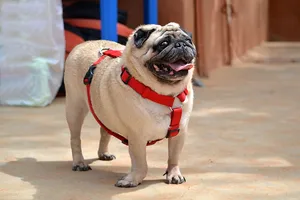
Pug
Charming, affectionate, and basically a walking health warning. The flat face causes serious breathing trouble, overheating risk, and eye problems. People adore the personality, vets wince at the anatomy.
About Pug
A small companion breed with ancient origins in China, prized for centuries by Chinese emperors before spreading to Europe.
- Group
- Toy
- Lifespan
- 12-15 years
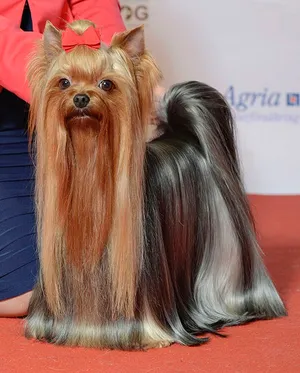
Yorkshire Terrier
Tiny, glamorous, and feistier than their size suggests. Yorkies are prone to dental problems and that silky coat demands real grooming commitment. Great lapdog, not the easiest first dog for a new owner.
About Yorkshire Terrier
A small terrier bred in 19th-century Yorkshire, England, originally to catch rats in textile mills, now a popular lapdog.
- Group
- Toy
- Lifespan
- 11-15 years
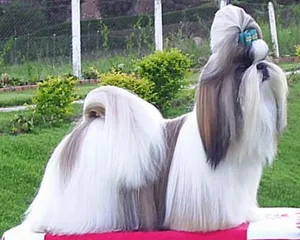
Shih Tzu
Bred to be a companion and nothing else, which makes Shih Tzus affectionate and low-energy. The flat face brings breathing and eye issues, and that coat needs near-daily brushing or it turns into a matted mess fast.
About Shih Tzu
An ancient companion breed from Tibet or China, bred to resemble lions and serve as a companion to royalty.
- Group
- Toy
- Lifespan
- 10-16 years
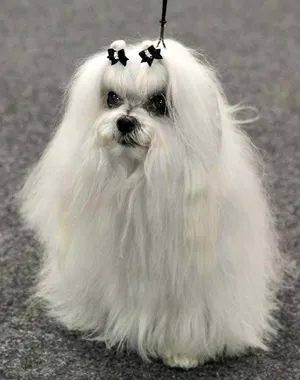
Maltese
Sweet, small, and genuinely affectionate, but the flowing white coat is a full grooming commitment and the breed can be yappy and clingy to the point of separation anxiety if left alone too much.
About Maltese
An ancient toy breed named for the island of Malta, bred solely for companionship for thousands of years.
- Group
- Toy
- Lifespan
- 12-15 years
FF Tier: Beautiful dogs, brutal trade-offs
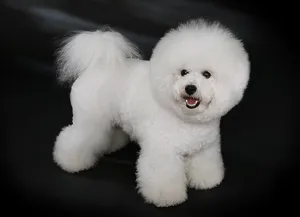
Bichon Frisé
We're not saying it's a bad dog, Bichons are cheerful and hypoallergenic-friendly. But between the constant grooming upkeep, the barking tendency, and a lack of any real 'job' or standout trait, it's the most forgettable name on this list when stacked against 34 others.
About Bichon Frisé
A small white companion breed with roots in the Mediterranean, popular in European royal courts for centuries.
- Group
- Non-Sporting
- Lifespan
- 12-15 years
How we ranked them
We weighed trainability, temperament, family-friendliness, health and lifespan issues, and how well the breed's reputation matches reality. We leaned on consensus from owner forums, trainer reviews, and breed club discussions, then broke ties with our own judgment where the internet genuinely disagrees. A breed being rare, expensive, or high-maintenance didn't automatically hurt it, but being a nightmare to live with for the average owner did.
Think we got it wrong?
Drag all 35 dog breeds into your own tier list, then download the image or share a link.
Rank these yourselfFAQ
What is the most popular dog breed?
The Labrador Retriever and French Bulldog have both topped registration charts in recent years, depending on the country and year.
What is the smartest dog breed?
The Border Collie is widely considered the smartest breed, thanks to its problem-solving ability and trainability, with Poodles and German Shepherds close behind.
What is the best dog breed for families with kids?
Golden Retrievers and Labrador Retrievers are consistently rated the best family dogs for their patience, friendliness, and tolerance of chaos.
What dog breed has the most health problems?
Flat-faced (brachycephalic) breeds like the Bulldog, Pug, and French Bulldog tend to have the most chronic health issues, mainly breathing problems.
What is the best dog breed for apartments?
Breeds like the Boston Terrier, French Bulldog, and Basset Hound tend to do better in smaller spaces, since they don't need as much running room as working or herding breeds.
More rankings
Image credits
- Golden RetrieverPhoto: Dukedestiny01.jpg: "Janneke Vreugdenhil" derivative work: Anka Friedrich ([[User talk:Ankaaswe Trix Friedrich|talk]]), Public domain (Wikimedia Commons) · Source
- Labrador RetrieverPhoto: IDS.photos from Tiverton, UK, CC BY-SA 2.0 (Wikimedia Commons) · License · Source
- Border ColliePhoto: Unknown author, CC BY-SA 3.0 (Wikimedia Commons) · License · Source
- Australian ShepherdPhoto: Trickdog-Fina, CC BY-SA 3.0 (Wikimedia Commons) · License · Source
- German ShepherdPhoto: gomagoti, CC BY-SA 2.5 (Wikimedia Commons) · License · Source
- PoodlePhoto: This Photo was taken by Timothy A. Gonsalves. Feel free to use my photos, but please mention me as the author. I would much appreciate if you send me an email tagooty@yahoo.com or write on my talk pag, CC BY-SA 4.0 (Wikimedia Commons) · License · Source
- Pembroke Welsh CorgiPhoto: Marsiyanka, CC BY-SA 3.0 (Wikimedia Commons) · License · Source
- BeaglePhoto: Unknown author, CC BY-SA 3.0 (Wikimedia Commons) · License · Source
- BoxerPhoto: Mood210, CC BY-SA 3.0 (Wikimedia Commons) · License · Source
- Bernese Mountain DogPhoto: FriendlyToaster, CC BY 4.0 (Wikimedia Commons) · License · Source
- SamoyedPhoto: Dllu, CC BY-SA 4.0 (Wikimedia Commons) · License · Source
- Shiba InuPhoto: Takashiba at English Wikipedia, Public domain (Wikimedia Commons) · Source
- DobermanPhoto: Fran Hogan, CC BY 2.5 (Wikimedia Commons) · License · Source
- RottweilerPhoto: Dr. Manfred Herrmann Allgemeiner Deutscher Rottweiler-Klub (ADRK) e.V. http://www.ADRK.de, CC BY-SA 3.0 (Wikimedia Commons) · License · Source
- GreyhoundPhoto: Neurodoc, CC BY-SA 3.0 (Wikimedia Commons) · License · Source
- NewfoundlandPhoto: Flickr user DanDee Shots, CC BY 2.0 (Wikimedia Commons) · License · Source
- Pit BullPhoto: https://www.flickr.com/people/geoggirl/, CC BY 2.0 (Wikimedia Commons) · License · Source
- Cocker SpanielPhoto: Pleple2000, CC BY-SA 3.0 (Wikimedia Commons) · License · Source
- Cavalier King Charles SpanielPhoto: Harold Frazier, CC BY-SA 4.0 (Wikimedia Commons) · License · Source
- Boston TerrierPhoto: Svenska Mässan from Sweden, CC BY 2.0 (Wikimedia Commons) · License · Source
- AkitaPhoto: Jon Cano, CC BY-SA 4.0 (Wikimedia Commons) · License · Source
- DachshundPhoto: Katemil94, CC BY-SA 4.0 (Wikimedia Commons) · License · Source
- Siberian HuskyPhoto: https://pixabay.com/pt/users/milanonegro-2307797/, CC0 (Wikimedia Commons) · License · Source
- DalmatianPhoto: Bradlien, CC BY-SA 4.0 (Wikimedia Commons) · License · Source
- French BulldogPhoto: Tsaag Valren, CC BY-SA 4.0 (Wikimedia Commons) · License · Source
- Great DanePhoto: Karen Arnold, CC0 (Wikimedia Commons) · License · Source
- ChihuahuaPhoto: Carlos.ferreira.rejas, CC BY-SA 3.0 (Wikimedia Commons) · License · Source
- Basset HoundPhoto: Cali1008, Public domain (Wikimedia Commons) · Source
- BulldogPhoto: https://pixabay.com/pt/users/kaz-19203/, CC0 (Wikimedia Commons) · License · Source
- PomeranianPhoto: Blackoranges, Public domain (Wikimedia Commons) · Source
- PugPhoto: Augustus Binu : flickr, CC BY-SA 3.0 (Wikimedia Commons) · License · Source
- Yorkshire TerrierPhoto: Svenska Mässan from Sweden, CC BY-SA 4.0 (Wikimedia Commons) · License · Source
- Shih TzuPhoto: Canino21, Public domain (Wikimedia Commons) · Source
- MaltesePhoto: Chantiquemaltese, CC0 (Wikimedia Commons) · License · Source
- Bichon FriséPhoto: Heike Andres, CC BY-SA 3.0 de (Wikimedia Commons) · License · Source