













Cat Breeds Tier List: Ranking All 31 From S to F
Thirty-one cat breeds, one big argument waiting to happen. We pulled together what cat forums, breeders and vets tend to agree on: temperament, looks, health, and that hard-to-define "would I actually want this cat sitting on my face at 3am" factor.
S tier is reserved for breeds that basically sell themselves. F tier isn't about bad cats (there's no such thing), it's about breeds built on controversial genetics that even a lot of fans have mixed feelings about.
Disagree with where your favorite landed? That's half the fun. Rank it yourself and see how it compares.
The tier list
The community’s tier list fills in as members vote. It appears once 5 members have ranked or voted on these.
Think you can rank them better?
Make your own tier listFree account. Your ranking stays private unless you share it, and it counts toward the community tier list.Vote
SS Tier: The icons
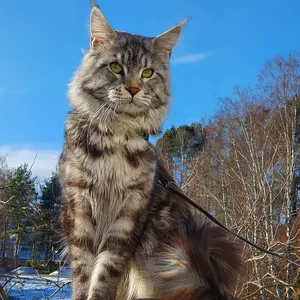
Maine Coon
The gentle giant of the cat world, and basically the universal answer when someone who doesn't like cats is asked to name one they'd tolerate. Dog-like loyalty, tufted paws, a chirpy little voice that doesn't match the size. Hard to find a bad word about them anywhere.
About Maine Coon
A large, long-haired breed believed to have originated in the US state of Maine, often called the gentle giant of domestic cats. Known for tufted ears, a bushy tail and a friendly, sociable temperament.
- Origin
- United States (Maine)
- Coat
- Long, shaggy
- Known for
- Large size, dog-like personality
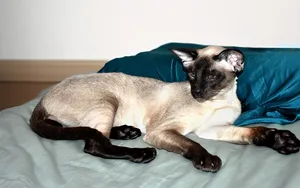
Siamese
Loud, opinionated, and the first breed most people can picture with their eyes closed thanks to those blue eyes and color-point coat. Not a quiet background cat, it will narrate your entire day whether you asked or not. Fans love that about it, which is the whole point.
About Siamese
One of the oldest and most recognizable Asian cat breeds, known for its color-point coat, striking blue eyes and vocal, people-oriented personality. Originated in Thailand (formerly Siam).
- Origin
- Thailand
- Eyes
- Blue
- Temperament
- Vocal, social
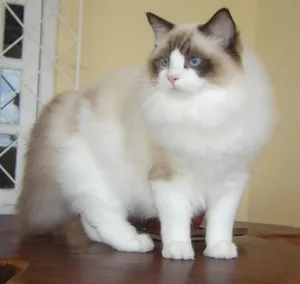
Ragdoll
Goes fully limp when you pick it up, hence the name, and that one trick alone has made it a social media star. Huge, blue-eyed, and famously mellow, it's the breed people recommend to first-time cat owners who want something closer to a plush toy.
About Ragdoll
A large, semi-long-haired breed developed in the United States in the 1960s, known for going limp when picked up and for its docile, affectionate temperament.
- Origin
- United States
- Known for
- Going limp when held
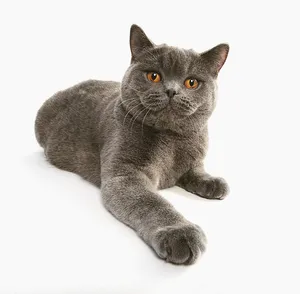
British Shorthair
That round face and dense plush coat (the blue/grey version is basically the mascot of the breed) make it instantly recognizable. Calm, low-maintenance, happy to just exist near you rather than on you. The Cheshire Cat energy is doing a lot of marketing work here.
About British Shorthair
A sturdy, round-faced breed with a dense plush coat, often seen in solid blue-grey. Calm and independent, it's one of the oldest English cat breeds.
- Origin
- United Kingdom
- Coat
- Short, dense
AA Tier: Excellent choices
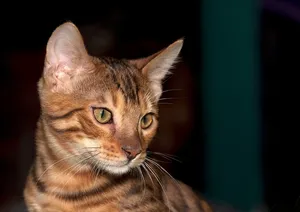
Bengal
Wild-looking spotted coat courtesy of some Asian leopard cat ancestry way back, and the energy to match. Gorgeous, but owners will tell you it's less a lap cat and more a small athletic project that needs climbing space and things to chase.
About Bengal
A breed developed by crossing domestic cats with the Asian leopard cat, giving it a wild, spotted or marbled coat. Energetic and highly active, it needs plenty of stimulation.
- Ancestry
- Asian leopard cat cross
- Coat pattern
- Spotted/marbled
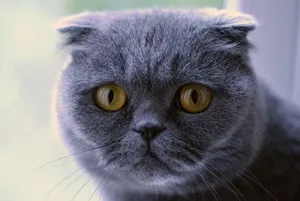
Scottish Fold
Those folded ears make it one of the most photographed cats on the internet, no argument there. We've got it in A rather than S because the ear cartilage mutation is linked to joint issues, which is a real conversation in cat circles, not just internet noise.
About Scottish Fold
Known for its folded ears caused by a natural genetic mutation affecting ear cartilage. Originated in Scotland and known for a sweet, easygoing temperament.
- Origin
- Scotland
- Known for
- Folded ears
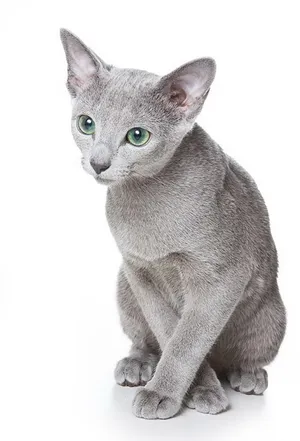
Russian Blue
Silvery blue coat, green eyes, a quiet reserved personality that reads as elegant rather than standoffish once it warms up to you. Often recommended to allergy sufferers, though no cat is truly hypoallergenic. A classic that never tries too hard.
About Russian Blue
A short-haired breed with a dense silvery-blue double coat and bright green eyes, known for a reserved but affectionate personality.
- Coat
- Blue-grey
- Eyes
- Green
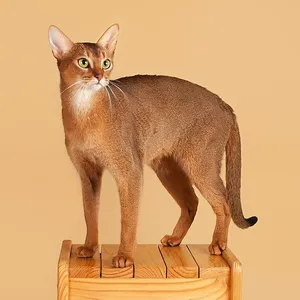
Abyssinian
Ticked coat that almost shimmers, and a personality closer to a dog than most dogs. Constantly climbing, investigating, opening cabinets it shouldn't. If you want a cat that supervises your whole life, this is it.
About Abyssinian
A short-haired breed with a distinctive ticked coat, among the oldest known breeds and famed for an active, curious personality.
- Coat
- Ticked
- Temperament
- Active, curious
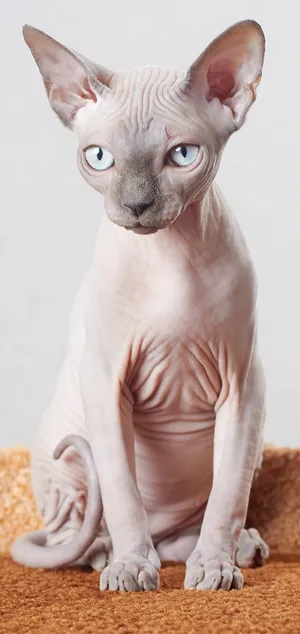
Sphynx
No fur, all personality, and a skin that feels like warm suede. Polarizing to look at for some people, but owners are some of the most devoted fans of any breed on this list, partly because this cat genuinely needs you for warmth and skin care.
About Sphynx
A hairless breed developed in Canada, known for its warm suede-like skin and highly affectionate, attention-seeking personality. Requires regular skin care since it lacks a protective coat.
- Origin
- Canada
- Coat
- Hairless
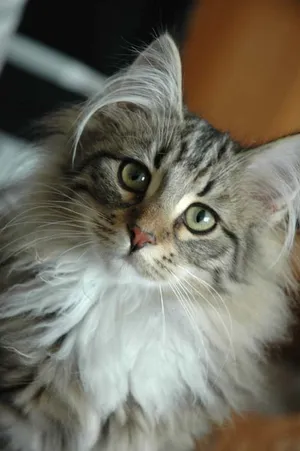
Norwegian Forest Cat
A long-haired, weatherproof cousin to the Maine Coon, built for Scandinavian winters and looking the part with a thick ruff and bushy tail. Calm, independent, and criminally underrated outside of Europe.
About Norwegian Forest Cat
A large, long-haired natural breed from Norway, built with a weatherproof double coat to withstand cold climates. Calm and independent.
- Origin
- Norway
- Coat
- Long, water-resistant
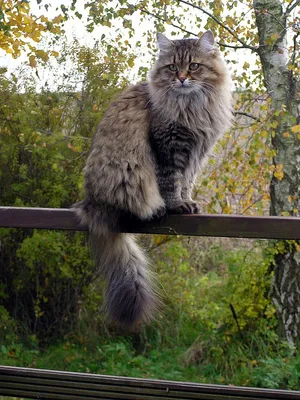
Siberian
Triple coat, powerful build, and a reputation (debated but widely repeated) as more tolerable for allergy sufferers than most breeds. Affectionate without being needy, it's the kind of cat that just quietly becomes the center of the household.
About Siberian
A large, long-haired natural breed from Russia, known for a triple coat and a reputation for being more tolerable for some allergy sufferers.
- Origin
- Russia
- Coat
- Triple, long
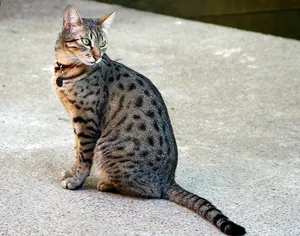
Egyptian Mau
A naturally spotted breed with a claim to being one of the oldest domestic cat lineages around, and genuinely fast on its feet, some owners clock them as the quickest domestic cat breed. Striking and a little underexposed compared to flashier spotted breeds.
About Egyptian Mau
A naturally spotted short-haired breed believed to be among the oldest domestic cat breeds, known for notable speed and agility.
- Coat
- Naturally spotted
- Known for
- Speed
BB Tier: Solid and well loved
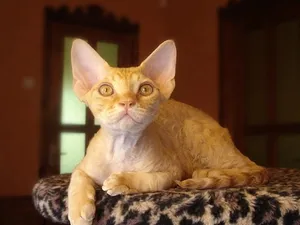
Devon Rex
Pixie face, huge ears, a soft wavy coat that sheds less than most. Playful to the point of mischievous, and attached to its people in a way that borders on clingy. Not for anyone who wants a cat that ignores them.
About Devon Rex
A short-haired breed from England with a soft, wavy coat, large ears and an elfin face. Playful and strongly bonded to its owners.
- Origin
- England
- Coat
- Wavy, fine
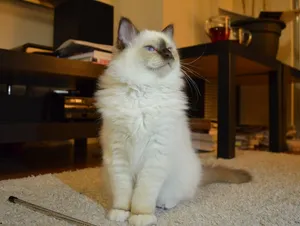
Birman
Color-point like the Siamese but softer in every way, long silky fur, white 'gloved' paws, and a placid temperament. Gorgeous and a little slept-on compared to the Ragdoll it often gets confused with at a glance.
About Birman
A long-haired, color-point breed from France (though associated in legend with Burma), known for white 'gloved' paws and a gentle temperament.
- Coat
- Long, silky
- Known for
- White paws
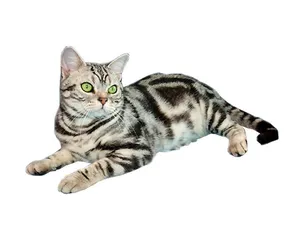
American Shorthair
The working cat of American history, bred for mousing rather than looks, which gives it an easygoing, sturdy, no-drama reputation. Not the flashiest name on this list, but a genuinely dependable family cat.
About American Shorthair
A sturdy, easygoing breed descended from working cats brought to North America, bred historically for pest control rather than looks.
- Origin
- United States
- Temperament
- Easygoing
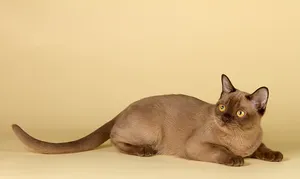
Burmese
Compact, muscular, and famous for wanting to be wherever you are, often described as dog-like in its need to follow owners room to room. The glossy short coat is nice, but the personality is the real selling point.
About Burmese
A compact, muscular short-haired breed originating from cats brought from Burma, known for a glossy coat and a very people-oriented personality.
- Coat
- Short, glossy
- Temperament
- Affectionate, social
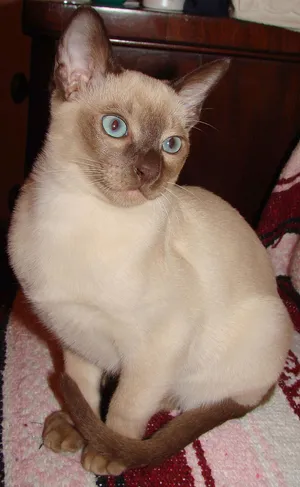
Tonkinese
A Siamese-Burmese cross that landed right in the middle temperament-wise: more vocal and busy than a Burmese, calmer than a Siamese. A good pick for someone who wants the drama turned down a notch.
About Tonkinese
A breed created by crossing the Siamese and Burmese, blending the vocal energy of one with the calmer nature of the other.
- Ancestry
- Siamese x Burmese
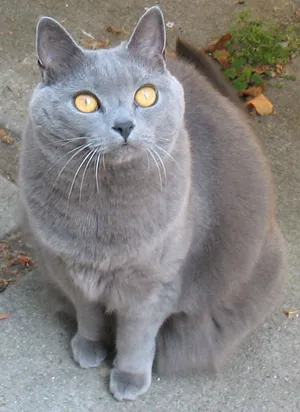
Chartreux
A French blue-grey breed with a permanent 'smile' thanks to its facial structure, quiet and rarely needy. Doesn't get much hype outside cat circles, which seems unfair given how easy an apartment cat it is.
About Chartreux
A French breed with a dense blue-grey coat and a facial structure that gives it a permanent slight smile.
- Origin
- France
- Coat
- Blue-grey
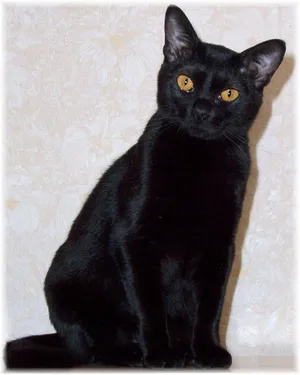
Bombay
Bred to look like a mini black panther, glossy black coat and copper eyes, and it mostly delivers on the fantasy. Affectionate and people-oriented, it just doesn't have quite the name recognition of flashier breeds.
About Bombay
A short-haired breed developed to resemble a miniature black panther, with a glossy black coat and copper eyes.
- Coat
- Solid black
- Eyes
- Copper
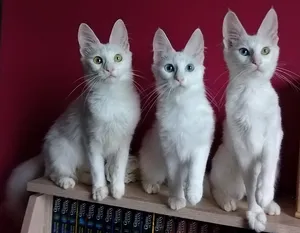
Turkish Angora
Elegant, long-bodied, often pure white with odd eyes in some lines, and a breed with real history tied to Turkey. Energetic and vocal, closer in spirit to an Oriental than a sleepy lap cat.
About Turkish Angora
An elegant, long-bodied natural breed from Turkey, often white-coated, known for energy and vocal personality.
- Origin
- Turkey
- Coat
- Long, fine
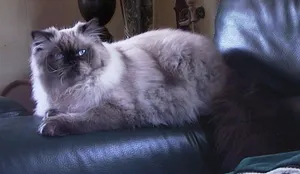
Himalayan
Essentially a Persian with Siamese coloring, which gives you the plush coat and the blue eyes in one package. Sweet-natured but needs the same serious grooming commitment as a Persian, which trips up a lot of new owners.
About Himalayan
A breed combining the Persian's long coat and build with the Siamese's color-point pattern and blue eyes.
- Coat
- Long
- Related to
- Persian, Siamese
CC Tier: Niche but charming
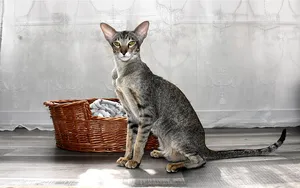
Oriental Shorthair
A Siamese body type in dozens of coat colors and patterns, still just as chatty and attention-seeking as its relative. We like it, but it's a tougher sell to anyone who wants a quiet cat, and that holds it back from the higher tiers.
About Oriental Shorthair
A relative of the Siamese bred in a huge range of coat colors and patterns, sharing its sleek body type and vocal, social personality.
- Related to
- Siamese
- Coat
- Short, many colors
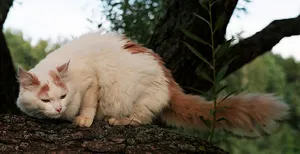
Turkish Van
Famous for actually liking water, which still surprises people who meet one. Semi-long coat, striking color pattern, and a strong independent streak that can read as aloof to owners expecting constant affection.
About Turkish Van
A semi-long-haired breed from the Lake Van region of Turkey, known for an unusual fondness for water.
- Origin
- Turkey
- Known for
- Liking water
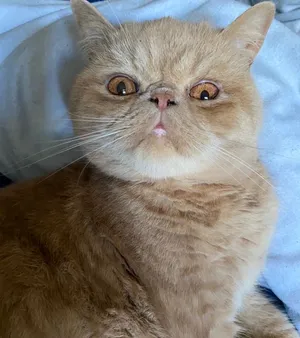
Exotic Shorthair
A Persian in a wash-and-wear coat, flat face and all, which cuts way down on grooming but not on the breathing and health concerns that come with that extreme face shape. Sweet and low-key, but the face shape is genuinely divisive among fans.
About Exotic Shorthair
A short-haired version of the Persian, sharing its flat face and round build but with a low-maintenance coat.
- Coat
- Short, dense
- Related to
- Persian
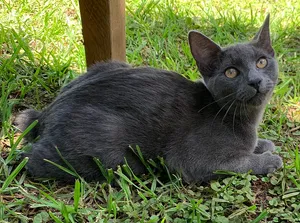
Manx
The tailless (or stub-tailed) cat from the Isle of Man, with a rabbit-like hop to its walk that people either find charming or a little unsettling. The gene behind the missing tail can bring spinal issues, which keeps it out of the higher tiers for us.
About Manx
A breed from the Isle of Man known for a naturally short or absent tail caused by a genetic mutation.
- Origin
- Isle of Man
- Known for
- Short or no tail
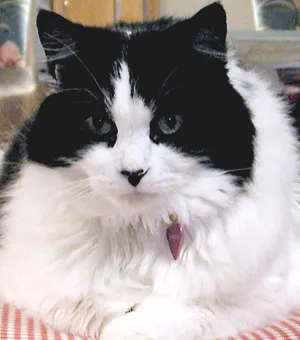
Ragamuffin
A close cousin of the Ragdoll, similarly floppy and affectionate, but without the same name recognition, so it ends up as the 'did you know this exists' pick for Ragdoll fans. Genuinely lovely, just overshadowed.
About Ragamuffin
A breed closely related to the Ragdoll, sharing its large size, long coat and docile, affectionate temperament.
- Related to
- Ragdoll
- Coat
- Long, plush
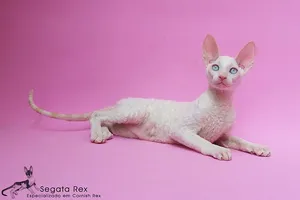
Cornish Rex
Even curlier and finer-coated than the Devon Rex, with an almost whippet-like build. Sweet and energetic, but the extreme body type and thin coat mean it's not for everyone, and it needs to stay warm.
About Cornish Rex
A short-haired breed from Cornwall, England, with a fine, curly coat and a slim, athletic body shape.
- Origin
- England
- Coat
- Curly
DD Tier: Polarizing picks
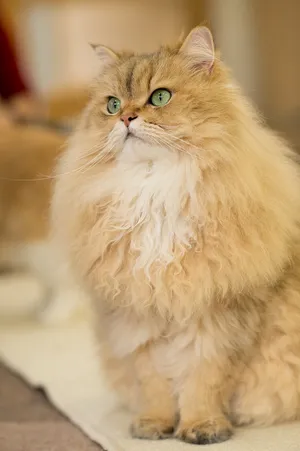
Persian
Gorgeous coat, famously placid temperament, and also famously high-maintenance, we're talking daily grooming or matting becomes a real problem. The flat-faced show type also carries documented breathing and tear-duct issues that split opinion even among longtime fans.
About Persian
A long-haired breed with a flat face and round head, developed over centuries and popular in cat shows worldwide. Known for a calm, quiet temperament and a coat that requires daily grooming.
- Coat
- Long, dense
- Temperament
- Calm, placid
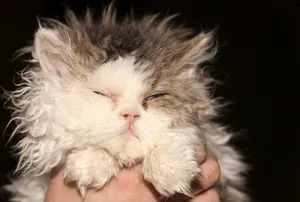
Selkirk Rex
A curly-coated breed that looks a bit unfinished next to the Devon and Cornish Rex, and it hasn't built the same following. Good-natured cat, it just doesn't have a strong identity of its own yet in most owners' eyes.
About Selkirk Rex
A breed known for its loosely curled coat, which can be short or long, and a sturdy, round build.
- Coat
- Curly
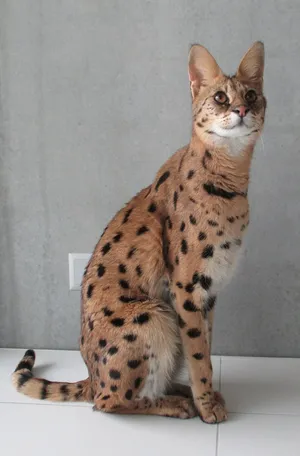
Savannah
Part serval, dramatic looks, and a genuinely wild temperament to match, some generations need serious space, enrichment and experienced owners to stay happy.
About Savannah
A hybrid breed created by crossing a domestic cat with a serval, giving it a tall, lean, wild appearance and high energy levels.
- Ancestry
- Serval cross
- Temperament
- Highly active
FF Tier: Controversial by design
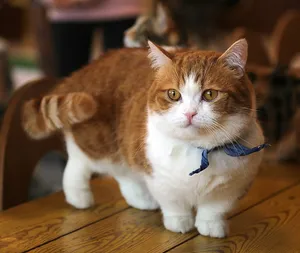
Munchkin
Short legs from a genetic mutation that several vets and breed groups have raised concerns about regarding spinal health. Undeniably popular online for the novelty factor, but this is the breed most likely to start an actual argument in cat breeding circles, and that controversy is why it lands at the bottom.
About Munchkin
A breed known for short legs caused by a genetic mutation, a trait that has made it both popular online and controversial among vets and breed clubs.
- Known for
- Short legs
How we ranked them
We weighed temperament (is it actually easy to live with), distinctiveness (does it have a real identity beyond "cat"), health and genetic soundness, and overall popularity and reputation among owners and breed clubs. We leaned on consensus from cat forums, breed club write-ups and vet commentary, then made our own call where fans split, especially on flat-faced and short-legged breeds where opinions get heated.
Think we got it wrong?
Drag all 31 cat breeds into your own tier list, then download the image or share a link.
Rank these yourselfFAQ
What is the most popular cat breed?
The Maine Coon has topped major cat registry popularity rankings for years, prized for its size, dog-like loyalty and easygoing nature.
What is the friendliest cat breed?
Ragdolls and Maine Coons are consistently named among the friendliest, both known for seeking out human company rather than avoiding it.
What is the healthiest cat breed?
Breeds without extreme physical traits, like the Russian Blue, Chartreux and American Shorthair, tend to avoid the structural health issues seen in flat-faced or short-legged breeds.
Which cat breed is best for allergies?
Siberians and Balinese are the breeds most often mentioned for lower allergen production, though no cat breed is truly hypoallergenic.
Why are Munchkin cats controversial?
Their short legs come from a genetic mutation, and some vets and breed associations have raised concerns about related spinal and joint issues, which has made the breed divisive even among cat fans.
What's the oldest known cat breed?
The Egyptian Mau and Turkish Angora are both frequently cited as among the oldest natural breeds, with long histories tied to their regions of origin.
More rankings
Image credits
- Maine CoonPhoto: T. Bjornstad, CC BY-SA 4.0 (Wikimedia Commons) · License · Source
- SiamesePhoto: Felinlove, CC BY-SA 4.0 (Wikimedia Commons) · License · Source
- RagdollPhoto: Simone Johnsson, CC BY-SA 2.0 (Wikimedia Commons) · License · Source
- British ShorthairPhoto: BritishEmpire, CC BY-SA 3.0 (Wikimedia Commons) · License · Source
- BengalPhoto: Nickolas Titkov from Moscow, Russian Federation, CC BY-SA 2.0 (Wikimedia Commons) · License · Source
- Scottish FoldPhoto: Peter Perepelkin, CC BY-SA 3.0 (Wikimedia Commons) · License · Source
- Russian BluePhoto: Anna Utekhina http://kidsphoto.ru/, CC BY-SA 3.0 (Wikimedia Commons) · License · Source
- AbyssinianPhoto: Oleg Royko, CC BY-SA 4.0 (Wikimedia Commons) · License · Source
- SphynxPhoto: Dmitry Makeev, CC BY-SA 4.0 (Wikimedia Commons) · License · Source
- Norwegian Forest CatPhoto: Uwe Jesgarz (= user U.jes), CC BY-SA 3.0 (Wikimedia Commons) · License · Source
- SiberianPhoto: Roswitha BuddeCattery vom Hohen Timp, CC BY-SA 3.0 (Wikimedia Commons) · License · Source
- Egyptian MauPhoto: liz west from Boxborough, MA, CC BY 2.0 (Wikimedia Commons) · License · Source
- Devon RexPhoto: Anthony Ivanoff, Public domain (Wikimedia Commons) · Source
- BirmanPhoto: RickyRatchet, CC BY-SA 3.0 (Wikimedia Commons) · License · Source
- American ShorthairPhoto: Desaix83, d'après le travail de odin_aka_zero-one, CC BY-SA 3.0 (Wikimedia Commons) · License · Source
- BurmesePhoto: Sergey Lubov, CC BY-SA 3.0 (Wikimedia Commons) · License · Source
- TonkinesePhoto: Angela Thomas from Sydney, NSW, Australia, CC BY 2.0 (Wikimedia Commons) · License · Source
- ChartreuxPhoto: Douglas Edwards, CC BY-SA 3.0 (Wikimedia Commons) · License · Source
- BombayPhoto: Pititebilette, CC BY-SA 3.0 (Wikimedia Commons) · License · Source
- Turkish AngoraPhoto: Vinydeluz, CC BY-SA 4.0 (Wikimedia Commons) · License · Source
- HimalayanPhoto: Unknown author, CC BY-SA 3.0 (Wikimedia Commons) · License · Source
- Oriental ShorthairPhoto: Felinlove, CC BY-SA 4.0 (Wikimedia Commons) · License · Source
- Turkish VanPhoto: Photo (c)2007 Helen Filatova, CC BY-SA 3.0 (Wikimedia Commons) · License · Source
- Exotic ShorthairPhoto: Tcm1707, CC BY-SA 4.0 (Wikimedia Commons) · License · Source
- ManxPhoto: TheEaterofCorn, CC BY-SA 4.0 (Wikimedia Commons) · License · Source
- RagamuffinPhoto: Ariele at English Wikipedia, CC BY-SA 3.0 (Wikimedia Commons) · License · Source
- Cornish RexPhoto: Alexandre Gonçalves, CC BY-SA 4.0 (Wikimedia Commons) · License · Source
- PersianPhoto: Takashi(aes256), CC BY-SA 2.0 (Wikimedia Commons) · License · Source
- Selkirk RexPhoto: Nickolas Titkov from Moscow, Russian Federation, CC BY-SA 2.0 (Wikimedia Commons) · License · Source
- SavannahPhoto: Sokrates 399, CC BY-SA 4.0 (Wikimedia Commons) · License · Source
- MunchkinPhoto: Tasy Hong, CC0 (Wikimedia Commons) · License · Source