









Pokémon Games Tier List: Every Main Series Game Ranked
Nine generations, 33 versions, one endless argument. We went through every mainline Pokémon game, from the Game Boy originals to the latest Switch entries, and sorted them by how they actually hold up: the region design, the pacing, the quality-of-life stuff, the bugs, the nostalgia that's earned versus the nostalgia that's just nostalgia.
This is a debate that never ends on forums, so expect to disagree with some of it. That's fine, that's the point. Rank them yourself and see where the cracks show.
The tier list
The community’s tier list fills in as members vote. It appears once 5 members have ranked or voted on these.
Think you can rank them better?
Make your own tier listFree account. Your ranking stays private unless you share it, and it counts toward the community tier list.Vote
SS Tier: The ones that defined the series
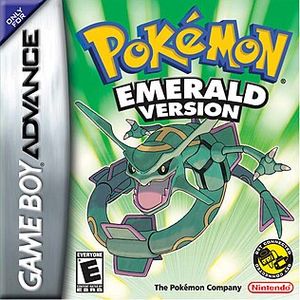
Pokémon Emerald
Takes Ruby and Sapphire, fixes the pacing, adds the Battle Frontier, and throws in both legendary trios via the Sky Pillar. It's the version of Hoenn everyone actually wanted in 2003, and the Frontier Brains still give competitive players something to chew on decades later.
About Pokémon Emerald
The third version in the Hoenn generation, combining and expanding on Ruby and Sapphire. Added the Battle Frontier and let players catch both legendary trios.
- Platform
- Game Boy Advance
- Region
- Hoenn
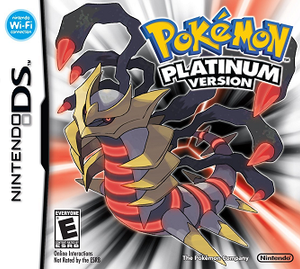
Pokémon Platinum
Sinnoh's slow start gets a real fix here: the Distortion World, a faster Battle Tower, and a much better-paced post-game. The National Pokédex feels rewarding to fill instead of a grind, and Giratina's rework alone justifies the upgrade from Diamond and Pearl.
About Pokémon Platinum
The enhanced third version of the Sinnoh generation, adding the Distortion World and a reworked Battle Tower. Widely seen as the definitive way to play Sinnoh.
- Platform
- Nintendo DS
- Region
- Sinnoh
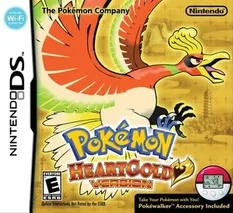
Pokémon HeartGold
Two regions, a walking Pokémon buddy on the bottom screen, and the Pokéathlon. Johto already had the best hook in the series, being able to visit Kanto after, and this remake makes that reveal feel huge again with modern systems layered on top.
About Pokémon HeartGold
A remake of Pokémon Gold for the Nintendo DS, set in the Johto region with updated graphics and the Pokéwalker accessory feature. Allows players to travel to the Kanto region after completing the main story.
- Platform
- Nintendo DS
- Released
- 2009
- Region
- Johto
- Developer
- Game Freak
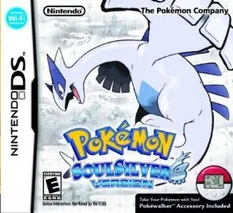
Pokémon SoulSilver
Same game as HeartGold with Lugia on the box instead of Ho-Oh, and that's not a knock. Johto's slower, moodier tone suits Silver's cover legend, and the Safari Zone customization is a genuinely clever bit of post-game content.
About Pokémon SoulSilver
A remake of Pokémon Silver for the Nintendo DS, set in the Johto region with an updated version of the Pokéwalker accessory feature and refreshed graphics. Allows players to travel to the Kanto region after completing the main story.
- Platform
- Nintendo DS
- Released
- 2009
- Region
- Johto
- Developer
- Game Freak
AA Tier: Excellent, minor gripes only
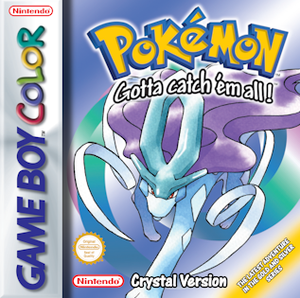
Pokémon Crystal
The first version to let you pick a girl trainer and the first to add the Battle Tower. Suicune gets a proper animated intro and a wandering storyline through Johto that Gold and Silver never had.
About Pokémon Crystal
An enhanced version of Pokémon Gold and Silver for the Game Boy Color, set in the Johto region. It was notable for allowing players to choose a female player character for the first time and featured an expanded storyline involving the legendary Pokémon Suicune.
- Platform
- Game Boy Color
- Generation
- 2
- Region
- Johto
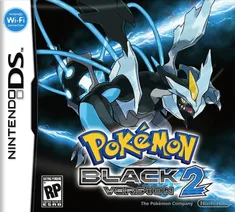
Pokémon Black 2
A direct sequel rather than a third version, set two years later with a partially remixed Unova. Gym leaders you didn't expect, a genuinely surprising final stretch, and the Pokémon World Tournament for battling past champions and leaders.
About Pokémon Black 2
A direct sequel within the fifth generation, set two years after the original Black and White in the Unova region. Notable as one of the few direct sequels in the core series rather than a paired or remade version.
- Platform
- Nintendo DS
- Released
- 2012
- Region
- Unova
- Developer
- Game Freak
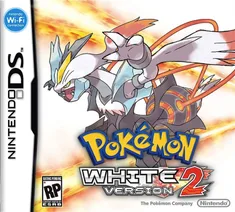
Pokémon White 2
Shares Black 2's structure and strengths, split mostly by which version-exclusive legendaries and areas you want. Either way this pair proved Game Freak could do a true sequel instead of just a third color.
About Pokémon White 2
A direct sequel within the fifth generation, set two years after the original Black and White in the Unova region. Notable as one of the few direct sequels in the core series rather than a paired or remade version.
- Platform
- Nintendo DS
- Released
- 2012
- Region
- Unova
- Developer
- Game Freak
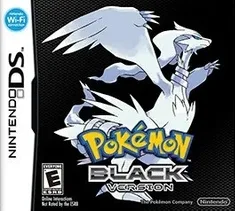
Pokémon Black
Unova was a bold swing: every Pokémon in the main story was brand new, no old-gen cameos until the post-game. The story leans harder into morality and Team Plasma's ideology than anything before it, which some players loved and some found preachy.
About Pokémon Black
A fifth generation core series game set in the Unova region, notable for featuring an almost entirely new Pokémon roster at launch. Black's version-exclusive legendary is Zekrom.
- Platform
- Nintendo DS
- Released
- 2010
- Region
- Unova
- Developer
- Game Freak
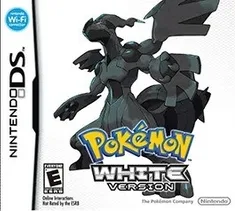
Pokémon White
Identical case to Black, split by version-exclusive Pokémon and which parts of Unova you get first. The Dreamyard and Zoroark side-plot still stands out as one of the series' better pieces of writing.
About Pokémon White
A fifth generation core series game set in the Unova region, notable for featuring an almost entirely new Pokémon roster at launch. White's version-exclusive legendary is Reshiram.
- Platform
- Nintendo DS
- Released
- 2010
- Region
- Unova
- Developer
- Game Freak
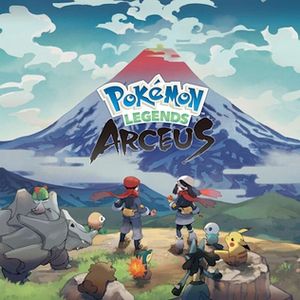
Pokémon Legends: Arceus
The biggest structural swing the series has taken: open zones, catching Pokémon by throwing balls in real time, no gym badges. It's rough around the technical edges, but Hisui feels like an actual attempt to reinvent the formula instead of iterate on it.
About Pokémon Legends: Arceus
A 2022 spin-off-turned-mainline release set in historical Hisui, the past version of Sinnoh. Reworked catching and battling into an open, real-time system.
- Platform
- Nintendo Switch
- Region
- Hisui
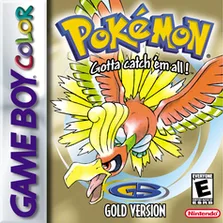
Pokémon Gold
The day-night cycle, breeding, two full regions, a rival with actual character. Johto set the template that Game Freak has been chasing ever since, even if the level curve gets rough once you reach Kanto's gyms.
About Pokémon Gold
A second generation core series Pokémon game for the Game Boy Color, released alongside Pokémon Silver. Set in the Johto region, it centers on the legendary Pokémon Ho-Oh and introduced features such as a real time clock and Pokémon breeding, plus a post-game trip to Kanto.
- Platform
- Game Boy Color
- Generation
- 2
- Region
- Johto
- Paired game
- Pokémon Silver
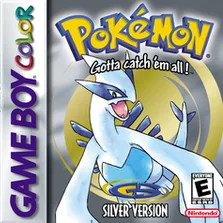
Pokémon Silver
Same engine, same ambitious two-region structure as Gold, with Lugia and a slightly different roster of exclusives. It's a toss-up which of the two you'd rather own, and that's exactly why the generation holds up.
About Pokémon Silver
A second generation core series Pokémon game for the Game Boy Color, released alongside Pokémon Gold. Set in the Johto region, it introduced a day and night cycle, breeding, and centers on the legendary Pokémon Lugia. It also allowed players to travel to the original Kanto region after completing the main story.
- Platform
- Game Boy Color
- Generation
- 2
- Region
- Johto
- Paired game
- Pokémon Gold
Pokémon Omega Ruby
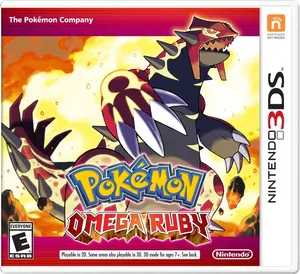
Mega Evolution slots neatly into Hoenn, the Delta Episode gives Team Aqua and Magma's plot actual weight it never had originally, and Soar flying makes exploring the region's map a treat instead of a chore.
About Pokémon Omega Ruby
A remake of Pokémon Ruby for the Nintendo 3DS, set in the Hoenn region and featuring updated 3D graphics along with the Mega Evolution mechanic. Includes Primal Kyogre as a signature legendary feature.
- Platform
- Nintendo 3DS
- Released
- 2014
- Region
- Hoenn
- Developer
- Game Freak
Pokémon Alpha Sapphire
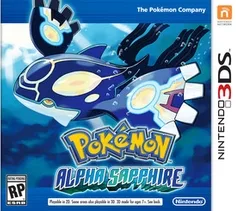
The Groudon-focused sibling to Omega Ruby, with the same Delta Episode and Mega Evolution additions. Hoenn's remakes aged better than Diamond and Pearl's, mostly because they kept the original's sense of scale.
About Pokémon Alpha Sapphire
A remake of Pokémon Sapphire for the Nintendo 3DS, set in the Hoenn region and featuring updated 3D graphics along with the Mega Evolution mechanic. Includes Primal Groudon as a signature legendary feature.
- Platform
- Nintendo 3DS
- Released
- 2014
- Region
- Hoenn
- Developer
- Game Freak
BB Tier: Solid, well worth your time
Pokémon Ultra Sun
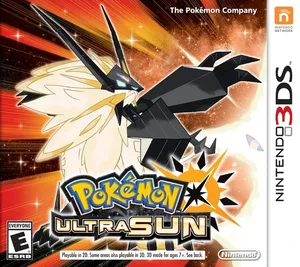
Adds Ultra Wormholes, Rainbow Rocket's boss rush of past villains, and a few new areas to Alola. Fun bonus content, but it never quite escapes the feeling of being Sun and Moon with extra DLC energy instead of a true sequel.
About Pokémon Ultra Sun
An enhanced version of Pokémon Sun released for the Nintendo 3DS, set in the Alola region with additional story content and characters not found in the originals.
- Platform
- Nintendo 3DS
- Released
- 2017
- Region
- Alola
- Developer
- Game Freak
Pokémon Ultra Moon
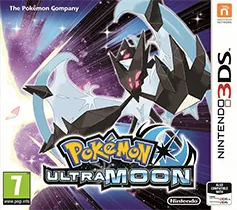
Shares Ultra Sun's additions and the same nagging sense that Alola didn't need a bigger version so soon. Rainbow Rocket is worth playing for the novelty of beating every past Team boss back to back.
About Pokémon Ultra Moon
An enhanced version of Pokémon Moon released for the Nintendo 3DS, set in the Alola region with an expanded storyline involving alternate dimensions. Features Necrozma-related legendary content distinct from Ultra Sun.
- Platform
- Nintendo 3DS
- Released
- 2017
- Region
- Alola
- Developer
- Game Freak
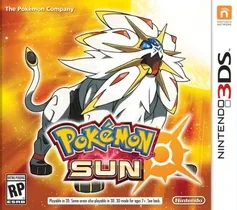
Pokémon Sun
Alola ditched gyms for trials and it mostly worked, plus Z-Moves gave late-game battles a real spectacle. The story leans heavy on cutscenes and hand-holding early on, which is the biggest complaint that's stuck to this generation.
About Pokémon Sun
A seventh generation core series game set in the tropical Alola region, introducing Alolan forms of classic Pokémon and the Island Challenge trial system in place of gyms. Sun's version-exclusive legendary is Solgaleo.
- Platform
- Nintendo 3DS
- Released
- 2016
- Region
- Alola
- Developer
- Game Freak
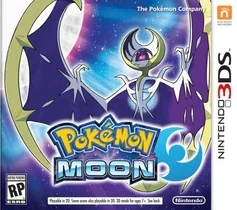
Pokémon Moon
Same trials, same Z-Moves, same slower opening hours as Sun, with Lunala and a different exclusive roster. Alola's tropical setting and Ultra Beasts still feel like one of the series' more distinct swings.
About Pokémon Moon
A seventh generation core series game set in the tropical Alola region, introducing Alolan forms of classic Pokémon and replacing gyms with the Island Challenge trial system. Moon's version-exclusive legendary is Lunala.
- Platform
- Nintendo 3DS
- Released
- 2016
- Region
- Alola
- Developer
- Game Freak
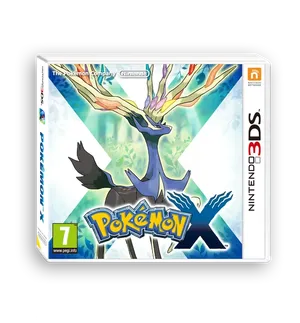
Pokémon X
The jump to full 3D and Kalos is genuinely a big leap, plus Mega Evolution debuted here and changed competitive battling for years. The region itself gets criticized for being oddly linear and light on postgame compared to what came after.
About Pokémon X
A sixth generation core series game and the first mainline title rendered in 3D, set in the Kalos region. Introduced Mega Evolution and Fairy-type Pokémon to the series, with Xerneas as its version-exclusive legendary.
- Platform
- Nintendo 3DS
- Released
- 2013
- Region
- Kalos
- Developer
- Game Freak
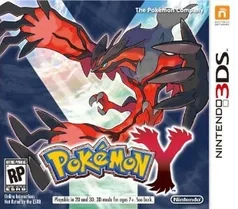
Pokémon Y
Same Kalos, same 3D leap, same Mega Evolution debut as X, split by version-exclusive legendaries and a couple of areas. It's a good generation that gets unfairly dragged down by comparisons to what Omega Ruby and Alpha Sapphire did a year later.
About Pokémon Y
A sixth generation core series game and the first mainline title rendered in 3D, set in the Kalos region. Introduced Mega Evolution and Fairy-type Pokémon to the series, with Yveltal as its version-exclusive legendary.
- Platform
- Nintendo 3DS
- Released
- 2013
- Region
- Kalos
- Developer
- Game Freak
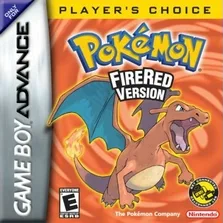
Pokémon FireRed
A faithful, well-built remake of Kanto with the Sevii Islands bolted on for extra content. It's a great way to play the original story, though it inherits Kanto's own thin bench of a region compared to later generations.
About Pokémon FireRed
A Game Boy Advance remake of the original Pokémon Red, released alongside Pokémon LeafGreen. It brought the Kanto region to a new generation of players with updated visuals and added post-game content involving the Sevii Islands.
- Platform
- Game Boy Advance
- Generation
- 3 (remake of Gen 1)
- Region
- Kanto
- Paired game
- Pokémon LeafGreen
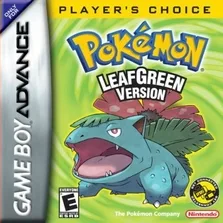
Pokémon LeafGreen
Identical case to FireRed: same Sevii Islands, same faithful Kanto remake, split only by which starter-exclusive Pokémon you want. Solid, safe, a little undercooked next to HeartGold and SoulSilver's ambition a few years later.
About Pokémon LeafGreen
A Game Boy Advance remake of the original Pokémon Green, released alongside Pokémon FireRed. Set in the Kanto region, it updated the original games with improved graphics and new features while retaining the classic storyline.
- Platform
- Game Boy Advance
- Generation
- 3 (remake of Gen 1)
- Region
- Kanto
- Paired game
- Pokémon FireRed
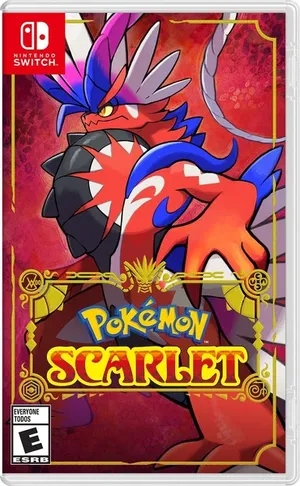
Pokémon Scarlet
Paldea's fully open world is the biggest ambition swing since Legends: Arceus, letting you tackle gyms, Titans, and Team Star in any order. The framerate and pop-in issues at launch were rough enough to become the game's defining conversation for a while.
About Pokémon Scarlet
Part of the ninth generation core series games, set in the Paldea region with an open world design. Scarlet's version-exclusive legendary is Koraidon.
- Platform
- Nintendo Switch
- Released
- 2022
- Region
- Paldea
- Developer
- Game Freak
Pokémon Violet
Shares Scarlet's open Paldea, its performance problems at launch, and its genuinely strong three-path story structure. The Area Zero epilogue is some of the best writing the series has done, if you can get through the technical issues to reach it.
About Pokémon Violet
Part of the ninth generation core series games, set in the Paldea region and featuring an open world structure for the first time in the mainline series. Violet's version-exclusive legendary is Miraidon.
- Platform
- Nintendo Switch
- Released
- 2022
- Region
- Paldea
- Developer
- Game Freak
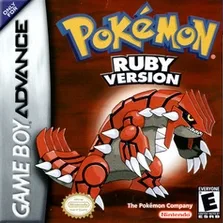
Pokémon Ruby
Hoenn introduced weather-based gimmicks, double battles, and a huge jump in Pokémon count, but the pacing drags in the middle third. Emerald fixed most of what people complain about here, which is part of why Ruby gets overshadowed.
About Pokémon Ruby
A third generation core series Pokémon game for the Game Boy Advance, released alongside Pokémon Sapphire. Set in the Hoenn region, it introduced double battles and Pokémon abilities, centering on the legendary Pokémon Groudon.
- Platform
- Game Boy Advance
- Generation
- 3
- Region
- Hoenn
- Paired game
- Pokémon Sapphire
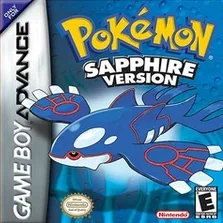
Pokémon Sapphire
Same Hoenn, same pacing issues, split by Team Aqua versus Team Magma and Kyogre versus Groudon as the cover legend. Worth playing, but almost nobody recommends it over Emerald if you've got the choice.
About Pokémon Sapphire
A third generation core series Pokémon game for the Game Boy Advance, released alongside Pokémon Ruby. Set in the Hoenn region, it introduced Pokémon Contests, double battles, and centers on the legendary Pokémon Kyogre.
- Platform
- Game Boy Advance
- Generation
- 3
- Region
- Hoenn
- Paired game
- Pokémon Ruby
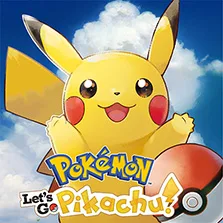
Pokémon Let's Go, Pikachu!
A soft reboot of Kanto built for co-op and catching Pokémon Go style. It's breezy and gorgeous to look at, but the total lack of wild battles makes the back half feel thin if you're used to a normal Pokémon grind.
About Pokémon Let's Go, Pikachu!
A remake of Pokémon Yellow for the Nintendo Switch, revisiting the Kanto region with simplified catching mechanics tied to Pokémon GO. Pikachu serves as the player's non-evolving partner who rides on their shoulder.
- Platform
- Nintendo Switch
- Released
- 2018
- Region
- Kanto
- Developer
- Game Freak
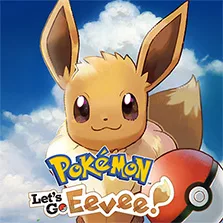
Pokémon Let's Go, Eevee!
Same game as Pikachu with the cuter starter and a couple of exclusive catches. Great starter Pokémon game for a younger player or someone easing back into the series, just don't expect gyms to feel like a real test.
About Pokémon Let's Go, Eevee!
A remake of Pokémon Yellow released for the Nintendo Switch, blending classic Kanto region gameplay with mechanics inspired by Pokémon GO. Features Eevee as the player's special partner Pokémon that follows them and cannot evolve.
- Platform
- Nintendo Switch
- Released
- 2018
- Region
- Kanto
- Developer
- Game Freak
CC Tier: Good bones, held back by something
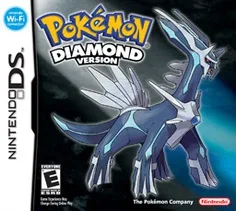
Pokémon Diamond
Sinnoh's ambition, the Underground, a genuinely great final region stretch, is undercut by a Wi-Fi Plaza gimmick nobody used and some of the slowest battle animations in series history. Platinum exists because Diamond and Pearl needed the fix.
About Pokémon Diamond
A fourth generation core series Pokémon game for the Nintendo DS, released alongside Pokémon Pearl. Set in the Sinnoh region, it centers on the legendary Pokémon Dialga and introduced new features like the Global Trade Station for trading Pokémon online.
- Platform
- Nintendo DS
- Generation
- 4
- Region
- Sinnoh
- Paired game
- Pokémon Pearl
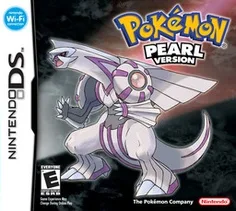
Pokémon Pearl
Same slow menus and battle speed as Diamond, same strong region design underneath it. If you're choosing between the original pair, there's genuinely little reason to pick this over waiting for Platinum.
About Pokémon Pearl
One of the fourth generation core series Pokémon games, released alongside Pokémon Diamond for the Nintendo DS. Set in the Sinnoh region, it introduced the Wi-Fi Plaza and Global Trade Station for online play. It centers on the legendary Pokémon Palkia.
- Platform
- Nintendo DS
- Generation
- 4
- Region
- Sinnoh
- Paired game
- Pokémon Diamond
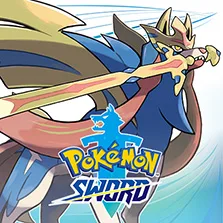
Pokémon Sword
The Wild Area was a real step toward open design and Dynamax raids are a fun co-op hook, but cutting a chunk of the Pokédex on launch was the moment fan goodwill took a real hit. The Isle of Armor and Crown Tundra DLC patched a lot of the early complaints.
About Pokémon Sword
An eighth generation core series game set in the Galar region, introducing the Dynamax mechanic and Wild Area exploration. Sword's version-exclusive legendary is Zacian.
- Platform
- Nintendo Switch
- Released
- 2019
- Region
- Galar
- Developer
- Game Freak
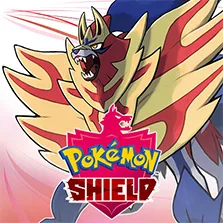
Pokémon Shield
Shares Sword's Wild Area, its Dex Cut controversy, and its DLC-era comeback. Galar's gym-challenge-as-reality-TV framing is a fun idea that the game doesn't fully commit to.
About Pokémon Shield
An eighth generation core series game set in the Galar region, introducing the Dynamax mechanic and Wild Area exploration. Shield's version-exclusive legendary is Zamazenta.
- Platform
- Nintendo Switch
- Released
- 2019
- Region
- Galar
- Developer
- Game Freak
DD Tier: Flawed and it shows
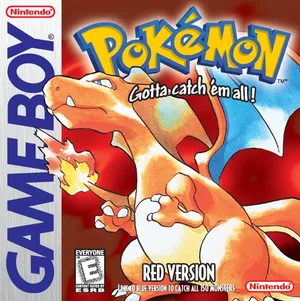
Pokémon Red
The one that started it all, and it shows its age hard: no held items, no breeding, no physical/special split, and a bag full of infamous glitches like MissingNo. Historically essential, but almost nobody would call it the best way to actually play today.
About Pokémon Red
One of the two original 1996 Game Boy releases from Game Freak that launched the entire franchise in Japan, later reaching the West in 1998. Set in Kanto, it introduced the first 151 Pokémon.
- Platform
- Game Boy
- Region
- Kanto
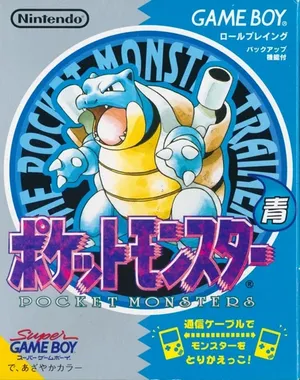
Pokémon Blue
The same Gen 1 jank as Red with a different set of exclusive monsters, since Blue was the version most international players actually got first. Charmander, Squirtle, and a cultural moment carry it further than the game design does on its own.
About Pokémon Blue
One of the original core series Pokémon games, released for the Game Boy alongside Pokémon Red. Set in the Kanto region, it launched the Pokémon franchise outside Japan and established the core formula of catching, training, and battling Pokémon.
- Platform
- Game Boy
- Generation
- 1
- Region
- Kanto
- Paired game
- Pokémon Red
FF Tier: Rough even for its era
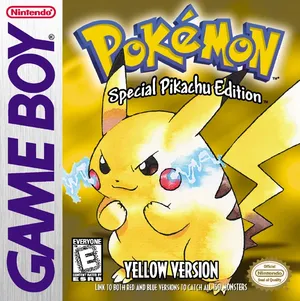
Pokémon Yellow
Pikachu follows you around and refuses to evolve nicely, the anime-inspired Team Rocket cameos are a cute touch, but it's still built on Red and Blue's rough, unpatched foundation with even less flexibility in your starter choice. g. Emerald ranked above Ruby/Sapphire, Crystal above Gold/Silver).
About Pokémon Yellow
A special edition of the first generation Pokémon games for the Game Boy, designed to more closely follow the plot of the Pokémon anime. The player starts with Pikachu, which follows them outside its Poké Ball, and the game features cameos from other anime characters like Jessie and James.
- Platform
- Game Boy
- Generation
- 1
- Region
- Kanto
- Starter
- Pikachu
How we ranked them
We weighed region and gym design, story and pacing, quality-of-life features (boxes, trading, breeding, difficulty), technical state at launch, and how well each game plays today rather than just how it felt in its release year. Remakes are judged against both their originals and their generation's competition. Where fan opinion is split, like Sword/Shield or the Diamond/Pearl remakes, we picked a side and explain why.
Think we got it wrong?
Drag all 35 pokémon games into your own tier list, then download the image or share a link.
Rank these yourselfFAQ
What is the best Pokémon game overall?
By consensus across fans and critics, Pokémon Emerald, Platinum, HeartGold, and SoulSilver sit at the top. They take an already strong generation and fix or expand on it rather than just repackaging it.
Is Pokémon Legends: Arceus a mainline game?
It's part of the main series and set in the Sinnoh region's past (Hisui), but it changes the formula enough, no gyms, real-time catching, open zones, that fans often discuss it separately from traditional entries.
Are Sword and Shield really that divisive?
Yes. The Wild Area and Dynamax raids won people over, but cutting Pokémon from the National Dex at launch was a genuine breaking point for a lot of long-time fans, and that argument still shows up in any ranking discussion.
Which is better, Omega Ruby/Alpha Sapphire or Diamond/Pearl remakes?
Omega Ruby and Alpha Sapphire are generally rated well above the Brilliant Diamond and Shining Pearl remakes for staying closer to Hoenn's scale and adding meaningful content like the Delta Episode. Note: Brilliant Diamond and Shining Pearl aren't included in this list.
Why do Ultra Sun and Ultra Moon rank below Sun and Moon's tier neighbors?
They add fun bonus content like Rainbow Rocket, but most fans see them as an expansion rather than a true sequel, arriving too soon after Sun and Moon to feel essential on their own.
Is Pokémon Yellow worth playing today?
Mostly for novelty. The Pikachu gimmick and anime nods are charming, but it's still built on Gen 1's dated mechanics, so most people recommend FireRed and LeafGreen instead for a Kanto playthrough.
More rankings
Image credits
- Pokémon EmeraldCover: Wikipedia · Source
- Pokémon PlatinumCover: Wikipedia · Source
- Pokémon HeartGoldCover: Wikipedia · Source
- Pokémon SoulSilverCover: Wikipedia · Source
- Pokémon CrystalCover: Wikipedia · Source
- Pokémon Black 2Cover: Wikipedia · Source
- Pokémon White 2Cover: Wikipedia · Source
- Pokémon BlackCover: Wikipedia · Source
- Pokémon WhiteCover: Wikipedia · Source
- Pokémon Legends: ArceusCover: Wikipedia · Source
- Pokémon GoldCover: Wikipedia · Source
- Pokémon SilverCover: Wikipedia · Source
- Pokémon Omega RubyImage: Pokémon Wiki (Fandom), © its owner · Source
- Pokémon Alpha SapphireCover: Wikipedia · Source
- Pokémon Ultra SunImage: Pokémon Wiki (Fandom), © its owner · Source
- Pokémon Ultra MoonCover: Wikipedia · Source
- Pokémon SunCover: Wikipedia · Source
- Pokémon MoonCover: Wikipedia · Source
- Pokémon XImage: Pokémon Wiki (Fandom), © its owner · Source
- Pokémon YCover: Wikipedia · Source
- Pokémon FireRedCover: Wikipedia · Source
- Pokémon LeafGreenCover: Wikipedia · Source
- Pokémon ScarletImage: Pokémon Wiki (Fandom), © its owner · Source
- Pokémon VioletCover: Wikipedia · Source
- Pokémon RubyCover: Wikipedia · Source
- Pokémon SapphireCover: Wikipedia · Source
- Pokémon Let's Go, Pikachu!Cover: Wikipedia · Source
- Pokémon Let's Go, Eevee!Cover: Wikipedia · Source
- Pokémon DiamondCover: Wikipedia · Source
- Pokémon PearlCover: Wikipedia · Source
- Pokémon SwordCover: Wikipedia · Source
- Pokémon ShieldCover: Wikipedia · Source
- Pokémon RedImage: Pokémon Wiki (Fandom), © its owner · Source
- Pokémon BlueImage: Pokémon Wiki (Fandom), © its owner · Source
- Pokémon YellowImage: Pokémon Wiki (Fandom), © its owner · Source