







Mortal Kombat Characters Tier List: Every Fighter Ranked
Mortal Kombat has one of the deepest rosters in fighting games, and also one of the most lopsided. Some characters got decades of great stories, killer redesigns and fatalities people still quote. Others got stuck as palette swaps or disappeared for a game or two and never fully came back.
We ranked all 21 of these based on cultural impact, how well they've held up across the series, and how much fans actually care when they show up in a new game. Where the fandom argues (and with this cast, it argues a lot) we made a call and explained why. Tell us where we got it wrong.
The tier list
The community’s tier list fills in as members vote. It appears once 5 members have ranked or voted on these.
Think you can rank them better?
Make your own tier listFree account. Your ranking stays private unless you share it, and it counts toward the community tier list.Vote
SS Tier: The faces of Mortal Kombat
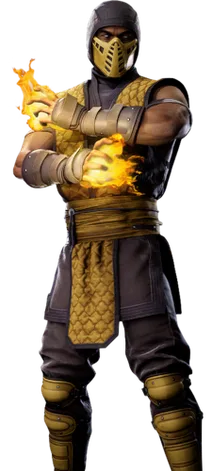
Scorpion
GET OVER HERE isn't just a catchphrase, it's practically the series' logo. Scorpion's revenge story against Sub-Zero and Quan Chi has more mileage than almost any plot in fighting games, and his spear pull is the single most recognizable move in Mortal Kombat.
About Scorpion
A spectral ninja warrior and one of the original seven playable characters in Mortal Kombat (1992). Known for his harpoon spear move and his undying feud with Sub-Zero.
- Debut
- Mortal Kombat (1992)
- Signature move
- Spear / "Get Over Here"
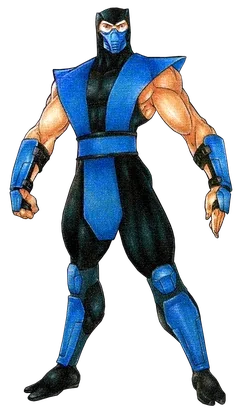
Sub-Zero
The thinking person's Scorpion. Ice clones, freeze traps, a legacy that splits into two different ninjas (Bi-Han and Kuai Liang) with their own arcs. Sub-Zero has arguably the richer family story of the pair, even if Scorpion gets louder applause.
About Sub-Zero
A cryomancer ninja and member of the Lin Kuei clan, playable since the first Mortal Kombat. Two characters have carried the name across the series.
- Debut
- Mortal Kombat (1992)
- Signature move
- Ice clone / freeze
Raiden
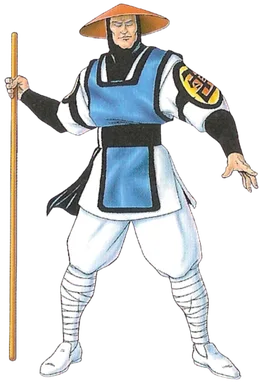
The Thunder God holds the whole mythology together. He's mentor, protector, and eventually a morally compromised god willing to do terrible things to win, which gave later games some of their best twists. Few MK characters have changed as meaningfully while staying this central.
About Raiden
The God of Thunder and protector of Earthrealm, a mainstay of the series since its debut. Often serves as mentor to the human fighters.
- Debut
- Mortal Kombat (1992)
- Role
- Elder God / Earthrealm protector
AA Tier: Series pillars
Liu Kang
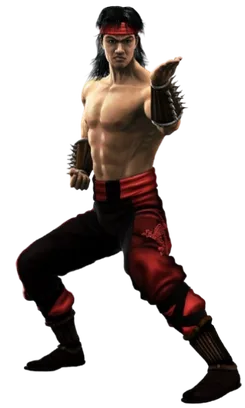
The original protagonist and still the one players measure new heroes against. His fireballs and bicycle kick are classic, but let's be honest, for years he was more important to the plot than he was interesting as a character. The timeline reset gave him a much-needed edge.
About Liu Kang
A Shaolin monk and the original protagonist of Mortal Kombat, tasked with defending Earthrealm in the tournament. Known for his fireball and bicycle kick.
- Debut
- Mortal Kombat (1992)
Shao Kahn
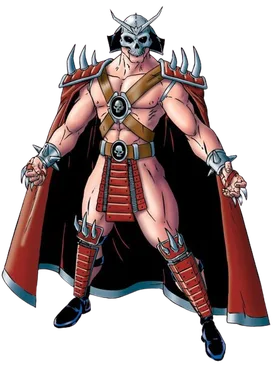
The emperor you love to hate. Shao Kahn's hammer, his laugh, his boss fight difficulty spikes, all of it is baked into MK lore. He's the series' definitive villain even when other bad guys technically outrank him on paper.
About Shao Kahn
The conquering emperor of Outworld and one of the series' central villains, first appearing as a boss character.
- Debut
- Mortal Kombat II (1993)
Kitana
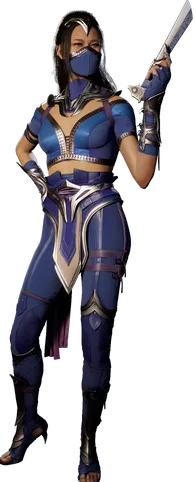
Edenian princess, deadly with a pair of steel fans, and tangled up in one of the better family dramas in the roster thanks to her bond with Mileena and Shao Kahn. She's been a top-tier fighter in-game for multiple entries too, which helps.
About Kitana
An Edenian princess and skilled assassin who wields a pair of steel fans. First appeared as a palette-swap character in Mortal Kombat II.
- Debut
- Mortal Kombat II (1993)
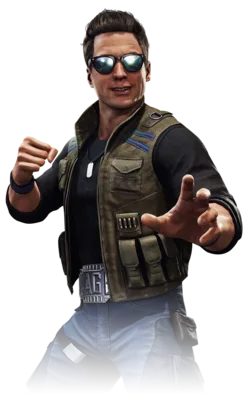
Johnny Cage
Started as a joke about a washed-up action star and became one of the funniest, most consistently well-written characters in the franchise. The Johnny Cage of the newer games, cracking jokes mid-fatality, is a highlight every single time he's on screen.
About Johnny Cage
A Hollywood action star turned Mortal Kombat competitor, originally joining the tournament for publicity. Known for comic relief and the "nutcracker" low blow move.
- Debut
- Mortal Kombat (1992)
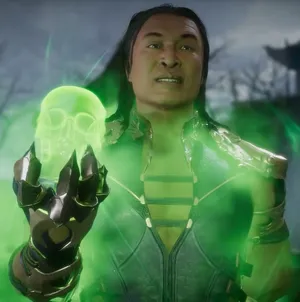
Shang Tsung
A soul-eating sorcerer who can turn into anyone else's character, which is just a great gimmick on top of a great villain. His Morph ability in the original games is still one of the most fun mechanics the series ever gave a single character.
About Shang Tsung
A soul-stealing sorcerer who can shapeshift into other fighters, serving as a recurring villain throughout the franchise.
- Debut
- Mortal Kombat (1992)
BB Tier: Reliable roster regulars
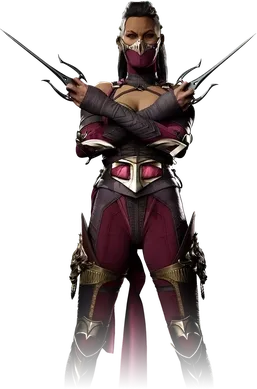
Mileena
Kitana's monstrous clone with the teeth and the sai, Mileena is a fan favorite mostly because she's genuinely unsettling and fun to play. She doesn't have quite the narrative weight of Kitana, but she wins on sheer visual menace.
About Mileena
A genetically engineered clone of Kitana, created by Shang Tsung, notable for her Tarkatan teeth and sai weapons.
- Debut
- Mortal Kombat II (1993)
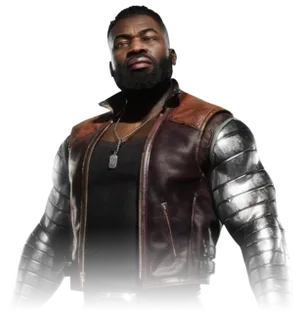
Jax
Metal arms, a no-nonsense attitude, and a loyalty to Sonya that's been consistent since the start. Jax doesn't get flashy storylines, but he's dependable, and dependable counts for a lot in a cast this large.
About Jax
A Special Forces major and Sonya's partner, known for his cybernetic arms gained after injuries in earlier games.
- Debut
- Mortal Kombat II (1993)
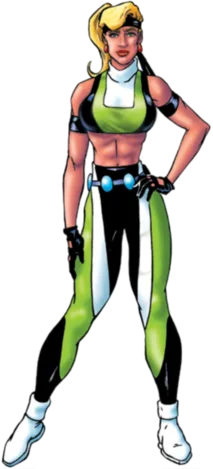
Sonya Blade
One of the only original characters who's stayed a genuine mainstay instead of fading into the background. Her rivalry with Kano gives her purpose, though she's often been written as more plot device than person until the newer games let her breathe.
About Sonya Blade
A U.S. Special Forces officer and one of the original female fighters in the series, with a long-running rivalry against Kano.
- Debut
- Mortal Kombat (1992)
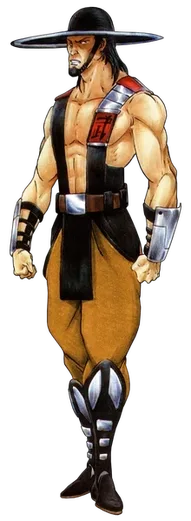
Kung Lao
The razor-hat guy, forever living in Liu Kang's shadow, literally related to him in some tellings. Kung Lao's hat throw is a great gimmick and his fatalities are brutal, but the character himself rarely gets to lead a story.
About Kung Lao
A Shaolin monk and descendant of a legendary warrior, known for his razor-edged hat and close bond with Liu Kang.
- Debut
- Mortal Kombat II (1993)
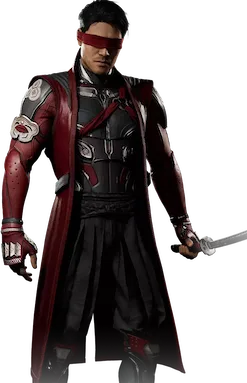
Kenshi
A blind swordsman with telekinesis sounds like a character designed by committee, but it works. Kenshi's sentient sword Sento and his slow redemption arc give him more going on than most mid-roster fighters ever get.
About Kenshi
A blind swordsman with telekinetic powers, wielding a sentient sword named Sento.
- Debut
- Mortal Kombat: Deadly Alliance (2002)
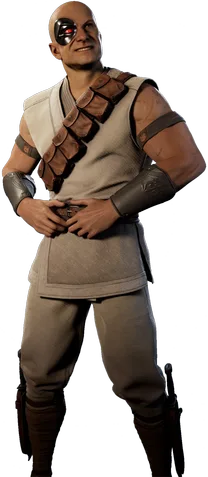
Kano
The red laser eye and the Black Dragon logo make him instantly readable as a scumbag, which is exactly what he's supposed to be. Kano's never been a main character, but he's been a reliably entertaining one since game one.
About Kano
A mercenary and leader of the Black Dragon crime syndicate, one of the original seven Mortal Kombat fighters.
- Debut
- Mortal Kombat (1992)
CC Tier: Fine, but not essential
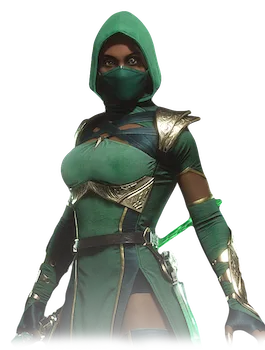
Jade
A glaive-wielding staff fighter who spent years as basically a green Kitana reskin before getting a real identity. Jade's loyalty and eventual arc with Mileena and Kitana helped, but she's still fighting for relevance compared to the other Edenians.
About Jade
An Edenian warrior and close friend of Kitana, wielding a bo staff and glaive. Originally introduced as a palette-swap character.
- Debut
- Mortal Kombat II (1993)
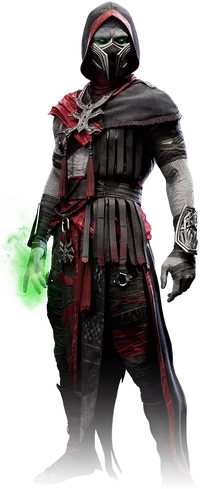
Ermac
Literally made of souls, which is a cool concept the games rarely do much with. Ermac started as an urban legend turned real character, and that origin story is honestly more interesting than most of his actual appearances.
About Ermac
A character composed of multiple souls bound together, originating from an urban legend among players before being officially added to the series.
- Debut
- Ultimate Mortal Kombat 3 (1995)
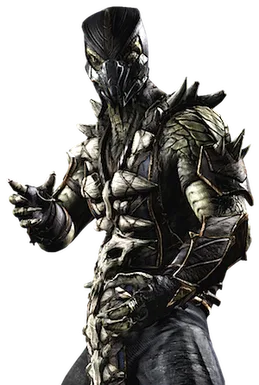
Reptile
The invisible, acid-spitting ninja has a great design and a decent amount of lore about being the last of his race, but he's spent most of the series as a secondary palette-swap-era holdover rather than someone with his own storyline.
About Reptile
A reptilian ninja and the last known survivor of the Zaterrans, first appearing as a secret boss character.
- Debut
- Mortal Kombat (1992)
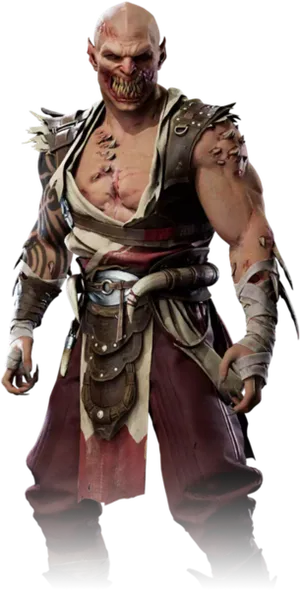
Baraka
Arm blades and a Tarkatan snarl make him memorable to look at, but Baraka has rarely been given much to do beyond snarling and being a mid-boss. Fun fatalities, thin character.
About Baraka
A Tarkatan warrior with retractable arm blades, serving Shao Kahn as part of Outworld's forces.
- Debut
- Mortal Kombat II (1993)
DD Tier: Underused and underwritten
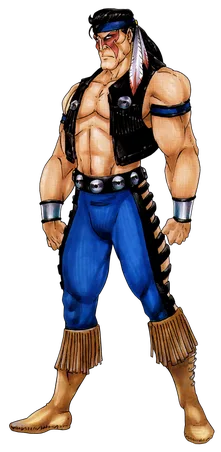
Nightwolf
A strong concept, a warrior drawing on spirit magic and his tribe's traditions, that the games have never fully capitalized on. Nightwolf pops in for a game, disappears for several, and never quite gets the spotlight his design deserves.
About Nightwolf
A Native American warrior who draws on spiritual and ancestral powers in combat, first appearing in Mortal Kombat 3.
- Debut
- Mortal Kombat 3 (1995)
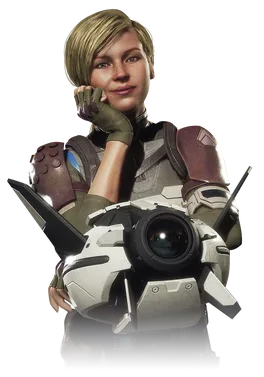
Cassie Cage
Johnny and Sonya's daughter inherited the wisecracks but not quite the charisma, at least not yet. She's been positioned as a new-generation lead, but she still reads as a legacy character defined by her parents more than herself.
About Cassie Cage
The daughter of Johnny Cage and Sonya Blade, introduced as part of a new generation of fighters in Mortal Kombat X.
- Debut
- Mortal Kombat X (2015)
FF Tier: Should've stayed in the Soul Chamber
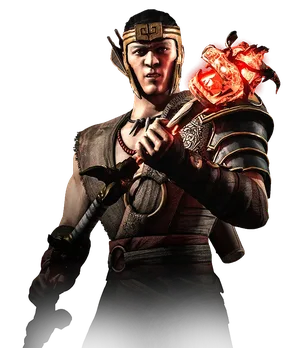
Kung Jin
Introduced with a lot of potential as Kung Lao's cousin and the roster's first openly gay character, then almost immediately sidelined. Kung Jin barely got a storyline before vanishing from later entries, which is a waste of a character who could've mattered.
About Kung Jin
Kung Lao's cousin and an archer introduced in Mortal Kombat X, notable as one of the series' first openly gay characters.
- Debut
- Mortal Kombat X (2015)
How we ranked them
We weighed four things: longevity and consistency across games, cultural impact outside the games (movies, memes, merch), how well-developed the character's story and personality are, and raw popularity with the fanbase. A character can rank high by being a mechanical and narrative constant (Scorpion, Sub-Zero) or by being beloved despite a smaller role. We leaned on forum consensus, reviews and our own judgment when the fanbase splits.
Think we got it wrong?
Drag all 21 mortal kombat characters into your own tier list, then download the image or share a link.
Rank these yourselfFAQ
Who is the most popular Mortal Kombat character?
Scorpion is generally considered the face of the franchise, with Sub-Zero close behind. Both have appeared in nearly every game and in the movies.
Who is the strongest character in Mortal Kombat lore?
Shao Kahn and Raiden are usually cited as the most powerful in terms of raw lore, with Shao Kahn as a conquering emperor god and Raiden as the realm's protector deity.
Is Sub-Zero the same character in every game?
No. The original Sub-Zero, Bi-Han, becomes Noob Saibot, while his younger brother Kuai Liang takes up the Sub-Zero name for most of the series.
Why do fans argue about Kitana vs Mileena?
Both are tied to the same family storyline and visual design, so fans split over who's the better fighter, better character and better fatalities. We lean Kitana for story depth, but Mileena has the louder fanbase.
Who is Kung Jin in Mortal Kombat?
Kung Jin is Kung Lao's cousin, introduced in Mortal Kombat X as an archer and one of the first openly gay characters in the series, though he's had little presence since.
More rankings
Image credits
- ScorpionCover: Wikipedia · Source
- Sub-ZeroCover: Wikipedia · Source
- RaidenCover: Wikipedia · Source
- Liu KangCover: Wikipedia · Source
- Shao KahnCover: Wikipedia · Source
- KitanaCover: Wikipedia · Source
- Johnny CageCover: Wikipedia · Source
- Shang TsungPhoto: NetherRealm Studios (Developer), Warner Bros. Interactive Entertainment (Publisher), CC BY 3.0 (Wikimedia Commons) · License · Source
- MileenaCover: Wikipedia · Source
- JaxCover: Wikipedia · Source
- Sonya BladeCover: Wikipedia · Source
- Kung LaoCover: Wikipedia · Source
- KenshiCover: Wikipedia · Source
- KanoCover: Wikipedia · Source
- JadeCover: Wikipedia · Source
- ErmacCover: Wikipedia · Source
- ReptileCover: Wikipedia · Source
- BarakaCover: Wikipedia · Source
- NightwolfCover: Wikipedia · Source
- Cassie CageCover: Wikipedia · Source
- Kung JinCover: Wikipedia · Source