











Video Game Consoles Tier List: Every Major System Ranked
Forty-plus years of consoles, boiled down to one list. We're covering the legends, the cult favorites, the baffling misfires and everything in between, from the Atari 2600 up through the Nintendo Switch 2.
This isn't about raw specs or sales charts. It's about what these machines meant, the libraries they built, and how they actually hold up when you talk to people who owned them. Fans argue about this stuff constantly, and we picked sides where we had to. Disagree? That's half the fun of a list like this.
The tier list
The community’s tier list fills in as members vote. It appears once 5 members have ranked or voted on these.
Think you can rank them better?
Make your own tier listFree account. Your ranking stays private unless you share it, and it counts toward the community tier list.Vote
SS Tier: The legends
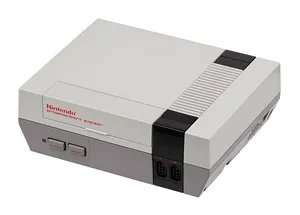
NES
The console that resurrected an industry after the 1983 crash. Mario, Zelda and Metroid all started here, and the cartridge-with-lockout-chip design basically rebuilt trust in home gaming.
About NES
Released by Nintendo in the mid-1980s, the Nintendo Entertainment System revived the home console market in North America after the 1983 crash. It introduced Super Mario Bros., The Legend of Zelda and Metroid.
- Maker
- Nintendo
- Released
- 1985 (NA)
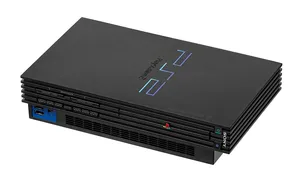
PlayStation 2
Still the best-selling console ever made, and it earned every unit. DVD playback sold it to parents, the library sold it to everyone else, with Final Fantasy X, Shadow of the Colossus and GTA: San Andreas all on one machine.
About PlayStation 2
Sony's second console and the best-selling game console in history, known for its massive library and DVD playback.
- Maker
- Sony
- Released
- 2000
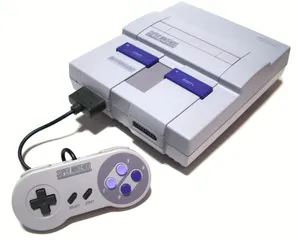
Super Nintendo
Chrono Trigger, Super Metroid, Earthbound, Donkey Kong Country. The SNES-vs-Genesis console war produced two genuine classics, and this is the one most people quietly admit had the deeper library.
About Super Nintendo
Nintendo's 16-bit follow-up to the NES, known as the Super NES or SNES, celebrated for its deep library of platformers, RPGs, and action games. It competed closely with the Sega Genesis throughout the 1990s and is widely regarded as one of the greatest consoles ever made.
- Maker
- Nintendo
- Released
- 1990 (Japan)
- Bit rate
- 16-bit
- Notable games
- Super Mario World, The Legend of Zelda: A Link to the Past, Chrono Trigger
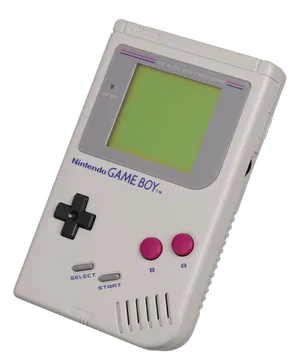
Game Boy
A brick with a green screen that outlasted flashier color handhelds because Tetris and a 30-hour battery life beat specs every time. Nintendo kept this thing in production for over a decade.
About Game Boy
Nintendo's original handheld, famous for its long battery life and bundled copy of Tetris.
- Maker
- Nintendo
- Released
- 1989
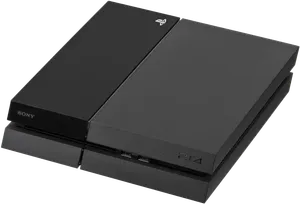
PlayStation 4
Sony's comeback after the PS3's rocky launch, with a console that just understood what players wanted: strong first-party exclusives like Bloodborne and God of War, and a controller nobody complained about.
About PlayStation 4
Sony's eighth-generation console and one of the best-selling consoles of all time, known for a strong lineup of first-party exclusives. It succeeded the PlayStation 3.
- Maker
- Sony
- Released
- 2013
- Generation
- Eighth
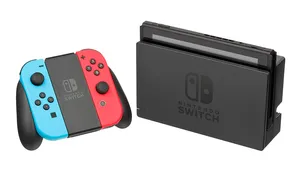
Nintendo Switch
Handheld and home console in one, which sounds like a gimmick until you're playing Breath of the Wild on a plane. It redefined what a Nintendo console could be and sold accordingly.
About Nintendo Switch
A hybrid console that can be played docked on a TV or handheld, developed by Nintendo.
- Maker
- Nintendo
- Released
- 2017
AA Tier: Genuinely great
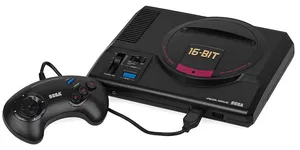
Sega Genesis
Sonic, blast processing marketing nonsense aside, and an arcade-accurate library that made it the cool kid's choice over the SNES for a lot of households. The Genesis is why console wars became a marketing strategy.
About Sega Genesis
Sega's 16-bit console, known as the Mega Drive outside North America, famous for its rivalry with the Super Nintendo and its mascot Sonic the Hedgehog. It helped establish Sega as a major force in the console wars of the early 1990s.
- Maker
- Sega
- Released
- 1988 (Japan, as Mega Drive)
- Bit rate
- 16-bit
- Notable games
- Sonic the Hedgehog, Streets of Rage
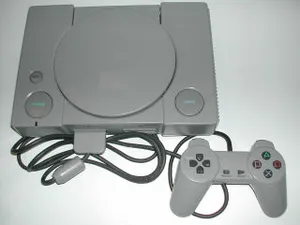
PlayStation
The original PlayStation dragged gaming into 3D and CD-ROMs, with Final Fantasy VII alone justifying the purchase for a generation of RPG fans.
About PlayStation
Sony's first video game console, released in the mid-1990s to challenge Nintendo and Sega with a CD-based system and a strong library of 3D games. It became one of the best-selling consoles of its generation and launched the long-running PlayStation brand.
- Maker
- Sony
- Released
- 1994 (Japan)
- Media
- CD-ROM
- Notable games
- Final Fantasy VII, Metal Gear Solid, Gran Turismo
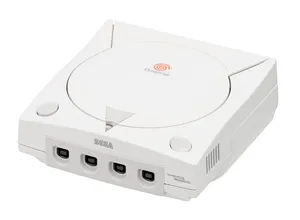
Dreamcast
Sega's last console, and arguably its best, gone way too soon. Soul Calibur and Shenmue showed what it could do, but it launched into a PS2 hype wave it couldn't survive.
About Dreamcast
Sega's final home console, notable for being an early adopter of built-in internet connectivity for online gaming. Despite critical praise, it was discontinued relatively early amid strong competition.
- Maker
- Sega
- Released
- 1998
- Generation
- Sixth
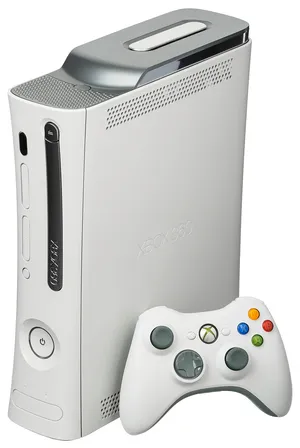
Xbox 360
Red Ring of Death failures aside, this is the console that made online multiplayer and achievements the standard. Halo 3 and Gears of War defined a console generation.
About Xbox 360
Microsoft's seventh-generation console, successor to the original Xbox. It built a strong library of exclusives and online multiplayer support through Xbox Live.
- Maker
- Microsoft
- Released
- 2005
- Generation
- Seventh
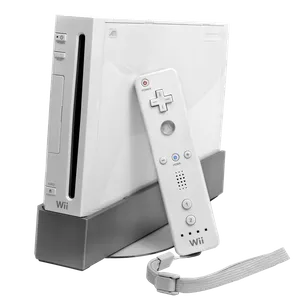
Wii
Motion controls got dismissed as a fad right up until the Wii outsold the PS3 and Xbox 360 combined. Wii Sports probably introduced more non-gamers to gaming than anything before or since.
About Wii
Nintendo's seventh-generation console famous for introducing motion-controlled gameplay via the Wii Remote, helping it reach a broad, casual audience. It became one of the best-selling consoles of all time.
- Maker
- Nintendo
- Released
- 2006
- Generation
- Seventh
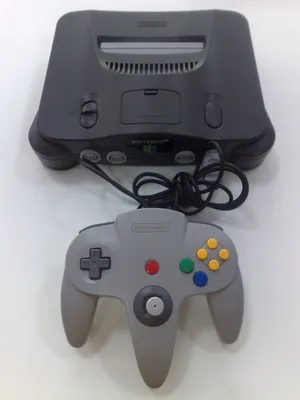
Nintendo 64
Only cartridge-based in a CD-ROM world, which hurt it, but Mario 64 and Ocarina of Time are still referenced as genre-defining decades later.
About Nintendo 64
Nintendo's fifth-generation console, known for pioneering 3D platforming and multiplayer gaming with its four-controller-port design. It used cartridges rather than discs, unlike most competitors of its era.
- Maker
- Nintendo
- Released
- 1996
- Generation
- Fifth
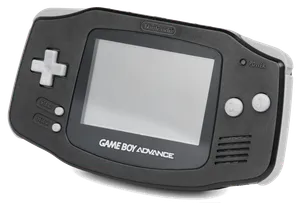
Game Boy Advance
A genuine powerhouse for its time, basically a portable SNES, with Metroid Fusion and Fire Emblem's western debut making the library stacked.
About Game Boy Advance
A 32-bit handheld from Nintendo that succeeded the Game Boy Color, offering improved graphics while maintaining backward compatibility with Game Boy titles. It had a large and well-regarded game library.
- Maker
- Nintendo
- Released
- 2001
- Type
- Handheld
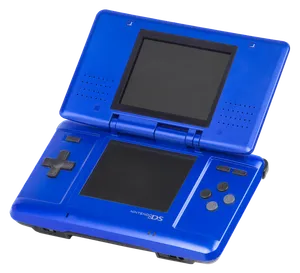
Nintendo DS
Dual screens and a stylus sounded gimmicky in 2004 and then Brain Age and Nintendogs turned it into a cultural phenomenon beyond the usual gaming crowd.
About Nintendo DS
A dual-screen handheld from Nintendo featuring a touchscreen, which became one of the best-selling handhelds ever. It succeeded the Game Boy Advance line.
- Maker
- Nintendo
- Released
- 2004
- Type
- Handheld
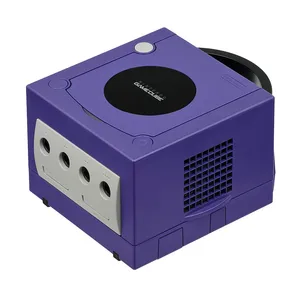
GameCube
Small, purple, underrated. Wind Waker and Melee still have rabid followings, and the GameCube controller's weird layout somehow became beloved rather than mocked.
About GameCube
Nintendo's sixth-generation console, notable for its compact disc-based mini-DVD format and distinctive cube shape. It is remembered for a strong lineup of first-party titles.
- Maker
- Nintendo
- Released
- 2001
- Generation
- Sixth
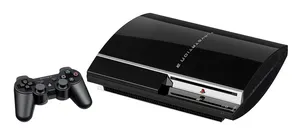
PlayStation 3
Rocky launch, expensive hardware, a controversial lack of backward compatibility down the line, but it clawed back with The Last of Us and Uncharted and aged into a well-regarded machine.
About PlayStation 3
Sony's seventh-generation console, successor to the PlayStation 2, known for its Blu-ray playback and Cell processor architecture. It competed closely with the Xbox 360 throughout its generation.
- Maker
- Sony
- Released
- 2006
- Generation
- Seventh
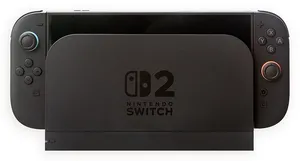
Nintendo Switch 2
About Nintendo Switch 2
Nintendo's successor to the original Switch, announced for release in 2025. It continues the hybrid handheld/home console concept with upgraded hardware for improved performance and graphics.
- Maker
- Nintendo
- Type
- Hybrid handheld/home console
- Predecessor
- Nintendo Switch
BB Tier: Solid, with an asterisk
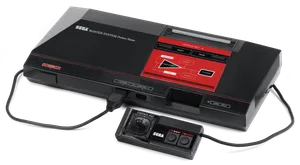
Sega Master System
Lost the console war to the NES in North America but did real business in Europe and Brazil, where Sega support continued for years after everyone else moved on.
About Sega Master System
Sega's entry into the 8-bit console era, released to compete with the Nintendo Entertainment System. It found greater success in Europe and Brazil than in North America or Japan.
- Maker
- Sega
- Released
- 1985 (Japan)
- Bit rate
- 8-bit
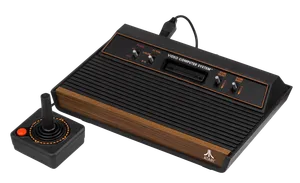
Atari 2600
The system that made home gaming a real category, flaws and all. Yes, it also gave us the E.T. game and the infamous landfill story, but Combat and Pitfall! earned it a permanent place in the conversation.
About Atari 2600
One of the earliest widely successful home video game consoles, released by Atari in the late 1970s and central to the rise of the home gaming industry. It used interchangeable cartridges and hosted classics like Pitfall! and Space Invaders.
- Maker
- Atari
- Released
- 1977
- Media
- ROM cartridges
- Notable games
- Pitfall!, Space Invaders, Pac-Man
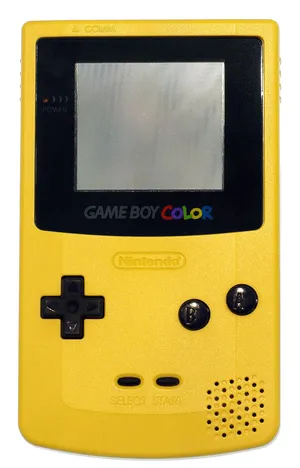
Game Boy Color
A smart, affordable upgrade rather than a reinvention, mostly remembered now for Pokemon Gold and Silver, which alone makes it worth the slot.
About Game Boy Color
An enhanced successor to the original Game Boy from Nintendo, adding color graphics while remaining backward compatible with original Game Boy cartridges.
- Maker
- Nintendo
- Released
- 1998
- Type
- Handheld
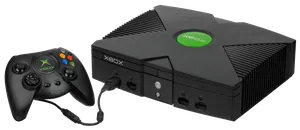
Xbox
Microsoft's first swing was bulky and late to the party, but Halo: Combat Evolved made it an instant must-own for anyone with friends and a living room.
About Xbox
Microsoft's first home console, marking its entry into the video game hardware market. It introduced the Xbox Live online service and the hit launch title Halo: Combat Evolved.
- Maker
- Microsoft
- Released
- 2001
- Generation
- Sixth
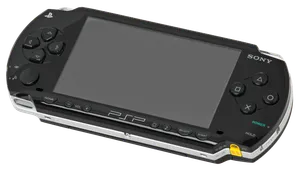
PSP
Gorgeous screen, real console-quality games on the go, and a UMD format that never quite made sense. Monster Hunter made this thing huge in Japan specifically.
About PSP
Sony's first handheld console, known as the PlayStation Portable, offering near home-console quality graphics on the go. It used UMD discs as its physical media format.
- Maker
- Sony
- Released
- 2004
- Type
- Handheld
Wii U
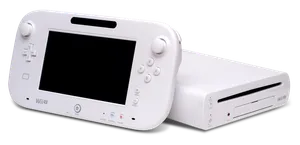
Confusing branding killed it before the hardware had a chance, people genuinely thought it was a Wii accessory. Shame, because Breath of the Wild launched here first and Bayonetta 2 is excellent.
About Wii U
Nintendo's successor to the Wii, notable for its GamePad controller with a built-in touchscreen. It is often considered a commercial underperformer compared to Nintendo's other consoles.
- Maker
- Nintendo
- Released
- 2012
- Generation
- Eighth
Nintendo 3DS
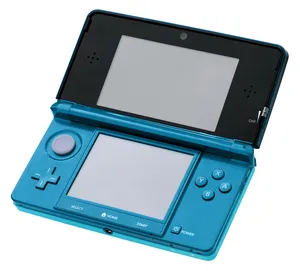
The glasses-free 3D gimmick got turned off by most owners within a week, but underneath that was a handheld with Fire Emblem Awakening and a genuinely excellent eShop library.
About Nintendo 3DS
A handheld console from Nintendo known for its glasses-free 3D display, succeeding the Nintendo DS. It had a long lifespan with multiple hardware revisions including the 2DS and New 3DS.
- Maker
- Nintendo
- Released
- 2011
- Type
- Handheld
Xbox One
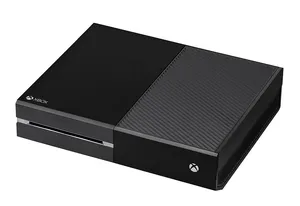
Launched with a Kinect mandate and DRM rules nobody asked for, then spent years walking it back. Backward compatibility and Game Pass eventually made it a respectable machine, just a slow start.
About Xbox One
Microsoft's eighth-generation console, successor to the Xbox 360. It later saw revisions including the Xbox One S and Xbox One X during its lifecycle.
- Maker
- Microsoft
- Released
- 2013
- Generation
- Eighth
TurboGrafx-16
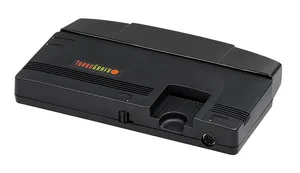
Barely registered in the US but was a genuine PC Engine success story in Japan, with a library of shooters and RPGs that import fans still track down.
About TurboGrafx-16
A console co-developed by NEC and Hudson Soft, released as the PC Engine in Japan before coming to North America under the TurboGrafx-16 name. It had a strong library in Japan but never gained major traction in the West despite technically advanced hardware for its time.
- Maker
- NEC/Hudson Soft
- Released
- 1987 (Japan, as PC Engine)
- Released
- 1989 (North America)
Steam Deck
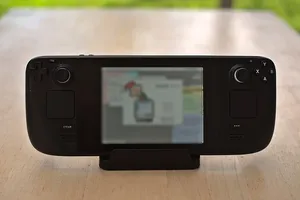
Valve basically proved PC handhelds could work, running your existing Steam library on the couch or the train. Battery life and game compatibility vary enough that it's not for everyone yet.
About Steam Deck
A handheld gaming PC developed by Valve that runs a Linux-based operating system called SteamOS, giving players access to their Steam library on the go. It popularized the modern PC handheld gaming category.
- Maker
- Valve
- Released
- 2022
- Type
- Handheld gaming PC
- OS
- SteamOS
CC Tier: Flawed but has fans
Sega Game Gear
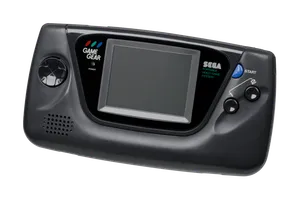
A genuine technical match for the Game Boy on paper, color screen included, undone by battery life so bad people joke it needed a car battery pack.
About Sega Game Gear
Sega's handheld console released to compete with the Game Boy, featuring a color screen as a key advantage over Nintendo's handheld. It shared much of its hardware and game library roots with the Sega Master System.
- Maker
- Sega
- Released
- 1990
- Screen
- Color LCD
Sega Saturn
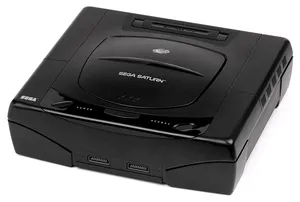
Hard to develop for and overshadowed by the PlayStation, though it has a cult following now for Panzer Dragoon Saga and a 2D fighting game library that never got its due in the West.
About Sega Saturn
Sega's successor to the Genesis, a CD-based console known for its strength in 2D games and arcade conversions but a difficult early launch in the West. It struggled commercially against the PlayStation and Nintendo 64.
- Maker
- Sega
- Released
- 1994 (Japan)
- Media
- CD-ROM
- Notable games
- Panzer Dragoon Saga, Nights into Dreams
Xbox Series X
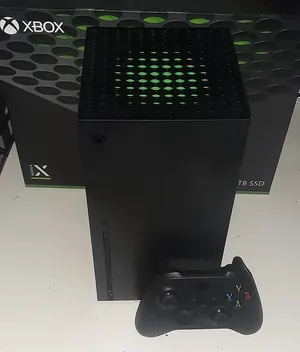
Powerful hardware held back by a genuinely thin exclusives lineup at launch and years after. Game Pass is the real selling point here more than any single game.
About Xbox Series X
Microsoft's flagship ninth-generation console, released alongside the smaller Xbox Series S. It was marketed as the most powerful Xbox at launch, emphasizing fast load times and 4K gaming.
- Maker
- Microsoft
- Released
- 2020
- Generation
- Ninth
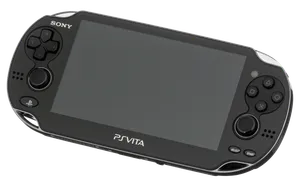
PlayStation Vita
Beautiful screen, real buttons and sticks, and Sony basically abandoned it within a few years. Persona 4 Golden fans will defend it forever, but support dried up fast.
About PlayStation Vita
Sony's handheld successor to the PSP, featuring advanced hardware for its time including a touchscreen and analog sticks. It struggled commercially despite a well-regarded game library.
- Maker
- Sony
- Released
- 2011
- Type
- Handheld
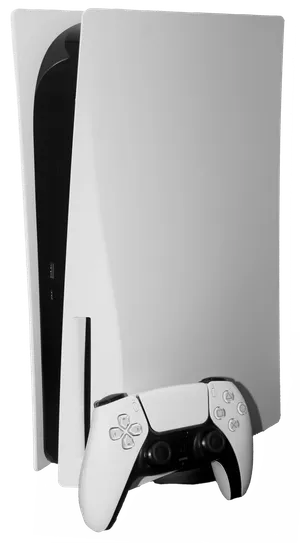
PlayStation 5
Great hardware, near-instant loading, a genuinely clever controller with haptics, undercut for years by availability problems and a slower-than-expected run of true must-own exclusives.
About PlayStation 5
Sony's ninth-generation console, successor to the PlayStation 4. It introduced an SSD-based architecture for faster load times, ray tracing support, and the DualSense controller with haptic feedback.
- Maker
- Sony
- Released
- 2020
- Generation
- Ninth
DD Tier: Hard to defend
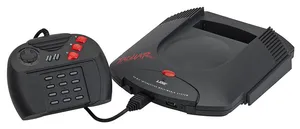
Atari Jaguar
Marketed as the first 64-bit console and nobody could tell, because the library was thin and the controller had an unusable number pad nobody asked for.
About Atari Jaguar
Atari's last home console, marketed as a 64-bit system in the early 1990s. It failed to gain significant market share due to a thin game library and strong competition, and its release effectively ended Atari's run in the console hardware business.
- Maker
- Atari
- Released
- 1993
- Marketed as
- 64-bit console
FF Tier: The one everyone jokes about
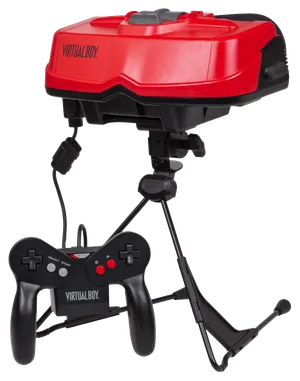
Virtual Boy
Headaches, a monochrome red display, and a tabletop stand that made it genuinely uncomfortable to play for more than twenty minutes. Nintendo pulled it within a year, and it's the one console here most people are glad didn't catch on.
About Virtual Boy
A tabletop 3D gaming system from Nintendo that used a red monochrome display. It was discontinued within roughly a year of release due to poor sales and health complaints.
- Maker
- Nintendo
- Released
- 1995
How we ranked them
We weighed game libraries, cultural impact, hardware innovation and how fondly each system is remembered by the people who used it. Sales numbers matter but don't override everything, plenty of beloved machines sold modestly. We leaned on forum consensus, retrospective reviews and our own experience, and where the fanbase is split down the middle, we said so instead of pretending there's one right answer.
Think we got it wrong?
Drag all 34 video game consoles into your own tier list, then download the image or share a link.
Rank these yourselfFAQ
What's the best-selling video game console of all time?
The PlayStation 2, with over 160 million units sold, helped by its DVD playback and massive game library.
What was the first home video game console to really succeed?
The Atari 2600 is usually credited as the console that made home gaming mainstream, though earlier systems like the Magnavox Odyssey came before it.
Why is the Virtual Boy considered the worst Nintendo console?
It used an uncomfortable tabletop design, a red-and-black monochrome display that gave many players headaches, and a thin game library. Nintendo discontinued it within about a year.
Is the Dreamcast really that good, or just a nostalgia pick?
Both. It had genuinely ahead-of-its-time features like a built-in modem for online play, plus a strong library in Soul Calibur and Jet Set Radio, but it also lost the console war to the PS2 fast.
Which console generation is considered the best?
Fans argue over this constantly, but the PS2/Xbox/GameCube generation and the SNES/Genesis generation both come up most often in these debates.
More rankings
Image credits
- NESPhoto: Evan-Amos, Public domain (Wikimedia Commons) · Source
- PlayStation 2Photo: Evan-Amos, Public domain (Wikimedia Commons) · Source
- Super NintendoPhoto: Muband at Japanese Wikipedia, CC BY-SA 3.0 (Wikimedia Commons) · License · Source
- Game BoyPhoto: Transfrom JPEG version and remove white background. Original by Evan-Amos., Public domain (Wikimedia Commons) · Source
- PlayStation 4Photo: Evan-Amos, modified by Gunnar.offel, Public domain (Wikimedia Commons) · Source
- Nintendo SwitchPhoto: Evan-Amos, Public domain (Wikimedia Commons) · Source
- Sega GenesisPhoto: Evan-Amos, Public domain (Wikimedia Commons) · Source
- PlayStationPhoto: Unknown author, CC BY-SA 3.0 (Wikimedia Commons) · License · Source
- DreamcastPhoto: Evan-Amos, Public domain (Wikimedia Commons) · Source
- Xbox 360Photo: Evan-Amos, Public domain (Wikimedia Commons) · Source
- WiiPhoto: Evan-Amos, Public domain (Wikimedia Commons) · Source
- Nintendo 64Photo: Ciro Duran from Caracas, Venezuela, CC BY 2.0 (Wikimedia Commons) · License · Source
- Game Boy AdvancePhoto: Evan-Amos, Public domain (Wikimedia Commons) · Source
- Nintendo DSPhoto: Evan-Amos, Public domain (Wikimedia Commons) · Source
- GameCubePhoto: Evan-Amos, Public domain (Wikimedia Commons) · Source
- PlayStation 3Photo: Evan-Amos, Public domain (Wikimedia Commons) · Source
- Nintendo Switch 2Photo: Crisco 1492, CC BY-SA 4.0 (Wikimedia Commons) · License · Source
- Sega Master SystemPhoto: Evan-Amos, Public domain (Wikimedia Commons) · Source
- Atari 2600Photo: Evan-Amos, Public domain (Wikimedia Commons) · Source
- Game Boy ColorPhoto: Evan-Amos, Public domain (Wikimedia Commons) · Source
- XboxPhoto: Remove white background. Original by Evan-Amos., Public domain (Wikimedia Commons) · Source
- PSPPhoto: Psp-1000.jpg: Evan-Amos derivative work: Alphathon™ (talk), CC BY-SA 3.0 (Wikimedia Commons) · License · Source
- Wii UPhoto: Takimata (edited by:Tokyoship), CC BY-SA 3.0 (Wikimedia Commons) · License · Source
- Nintendo 3DSPhoto: Evan-Amos, Public domain (Wikimedia Commons) · Source
- Xbox OnePhoto: Evan-Amos, Public domain (Wikimedia Commons) · Source
- TurboGrafx-16Photo: Evan-Amos, Public domain (Wikimedia Commons) · Source
- Steam DeckPhoto: Thomas Vogt, CC BY 2.0 (Wikimedia Commons) · License · Source
- Sega Game GearPhoto: Evan-Amos, Public domain (Wikimedia Commons) · Source
- Sega SaturnPhoto: Evan-Amos, Public domain (Wikimedia Commons) · Source
- Xbox Series XPhoto: Der. Bellemer, CC BY-SA 4.0 (Wikimedia Commons) · License · Source
- PlayStation VitaPhoto: Evan-Amos, Public domain (Wikimedia Commons) · Source
- PlayStation 5Photo: Howardcorn33, CC0 (Wikimedia Commons) · License · Source
- Atari JaguarPhoto: Evan-Amos, CC BY-SA 3.0 (Wikimedia Commons) · License · Source
- Virtual BoyPhoto: Evan-Amos, Public domain (Wikimedia Commons) · Source