









Mario Games Tier List: Every Mainline Classic Ranked
Mario's been at this since the 80s and somehow the hit rate is still absurd. We pulled together 28 games spanning platformers, RPGs, karts and that level editor that ate millions of hours of people's lives, and ranked them from "drop everything" to "fine, I guess."
This is the site's public ranking, built on what fans and critics tend to agree on across forums, reviews and decades of arguments. Where the community is genuinely split (and with Mario, it often is), we picked a side and said so. Disagree? That's the fun part. Rank your own list and see how it stacks up against ours.
The tier list
The community’s tier list fills in as members vote. It appears once 5 members have ranked or voted on these.
Think you can rank them better?
Make your own tier listFree account. Your ranking stays private unless you share it, and it counts toward the community tier list.Vote
SS Tier
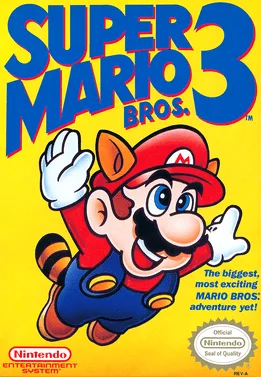
Super Mario Bros. 3
The Koopa Kids, the world maps, the raccoon suit, the airships. This is the game that convinced an entire generation that 2D platformers could be this generous with ideas. Every world introduces something new and never overstays its welcome.
About Super Mario Bros. 3
Widely considered one of the greatest 2D platformers ever made, famous for its overworld maps, power-up variety and airship levels. Released for the NES in the late 1980s.
- Released
- 1988
- Platform
- NES
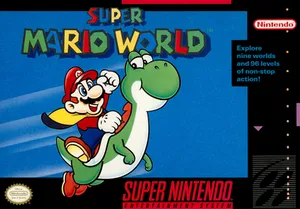
Super Mario World
Yoshi changes everything. The secret exits, the cape feather, Star World, the way the map branches and loops back on itself: this is still the blueprint for how a platformer should be structured. Mario with a dinosaur buddy is just better Mario.
About Super Mario World
The SNES launch-era platformer that introduced Yoshi and the cape feather. Regarded as one of the best entries in the series for its level design and secrets.
- Released
- 1990
- Platform
- SNES
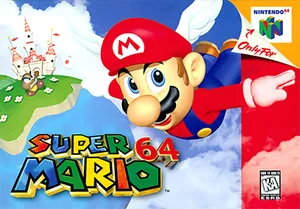
Super Mario 64
The game that invented 3D platforming almost overnight. Bob-omb Battlefield and Tick Tock Clock still feel good to move through decades later, which is the real miracle here, not the polygon count.
About Super Mario 64
The launch title that introduced 3D movement and camera control to platforming, set across paintings in Peach's Castle. A landmark in game design history.
- Released
- 1996
- Platform
- Nintendo 64
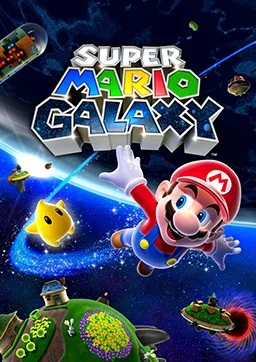
Super Mario Galaxy
Gravity as a level design tool sounds like a gimmick until you're sprinting around a tiny planetoid chasing a Launch Star. The orchestral score alone puts this above most games on this list, and the level variety never lets up.
About Super Mario Galaxy
A Wii platformer built around planetoid-based gravity mechanics and an orchestral soundtrack, often ranked among the series' best.
- Released
- 2007
- Platform
- Wii
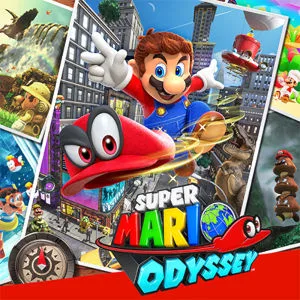
Super Mario Odyssey
Capturing Bowser's hat-wearing minions and a T. rex in the same game sounds unhinged on paper. Somehow it all works, and New Donk City's live-action-adjacent vibe is the boldest Mario has ever looked.
About Super Mario Odyssey
A Switch 3D platformer built around the capture mechanic, letting Mario possess enemies and objects using his sentient hat Cappy.
- Released
- 2017
- Platform
- Nintendo Switch
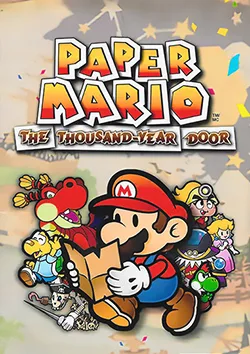
Paper Mario: The Thousand-Year Door
The writing is funnier than it has any right to be, the turn-based combat with action commands never gets stale, and Vivian might be the best-written character in the whole franchise.
About Paper Mario: The Thousand-Year Door
A GameCube RPG known for its sharp writing, paper-craft visual style, and the Glitz Pit arena storyline. Later remade for Switch.
- Released
- 2004
- Platform
- GameCube
AA Tier
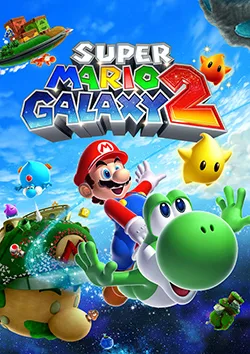
Super Mario Galaxy 2
More Galaxy sounds like a lazy pitch until you remember Yoshi, the Cloud Flower, and a harder, leaner set of levels than the original. Some fans rank it above Galaxy 1, and honestly the case is strong.
About Super Mario Galaxy 2
A direct sequel to Super Mario Galaxy with new power-ups like the Cloud Flower and a playable Yoshi, built on tighter, harder levels.
- Released
- 2010
- Platform
- Wii
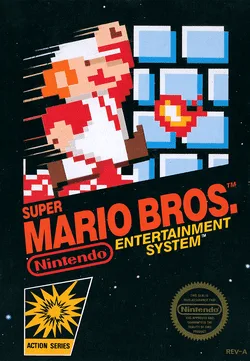
Super Mario Bros.
World 1-1 is still the most important few minutes of level design in gaming history. It's basic by modern standards, but basic because everyone since has been copying its homework.
About Super Mario Bros.
The 1985 NES platformer that established side-scrolling platforming as a genre. Created by Shigeru Miyamoto and Takashi Tezuka at Nintendo.
- Released
- 1985
- Platform
- NES
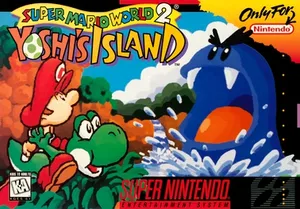
Super Mario World 2: Yoshi's Island
Baby Mario's crying sound effect lives in everyone's nightmares, but the art style, the egg-throwing mechanics, and the sheer creativity of each level make this one of the most inventive platformers Nintendo ever made.
About Super Mario World 2: Yoshi's Island
A prequel starring Yoshi carrying baby Mario, known for its distinctive crayon-and-watercolor art style and egg-throwing mechanics.
- Released
- 1995
- Platform
- SNES
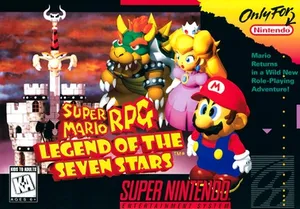
Super Mario RPG
Square and Nintendo teaming up gave us timed hits, Geno, and a Mario game with actual stakes and a story.
About Super Mario RPG
A collaboration between Nintendo and Square for the SNES, blending turn-based RPG mechanics with timed action commands and Mario series characters.
- Released
- 1996
- Platform
- SNES
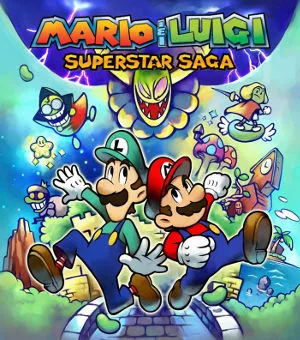
Mario & Luigi: Superstar Saga
Two bros, one button each, and combat that demands you actually pay attention. The Beanbean Kingdom has more personality than most RPGs manage in twice the runtime.
About Mario & Luigi: Superstar Saga
A Game Boy Advance RPG set in the Beanbean Kingdom, built around simultaneous two-button combat controlling both Mario and Luigi.
- Released
- 2003
- Platform
- Game Boy Advance
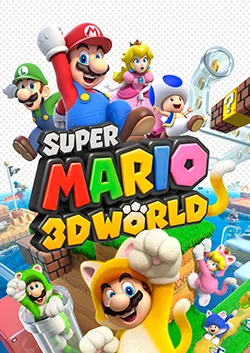
Super Mario 3D World
The Cat Suit turned Mario into a climbing menace, and four-player co-op made this chaotic in the best way. Bowser's Fury got bundled in later and somehow became half the reason people bring this one up.
About Super Mario 3D World
A Wii U platformer featuring four-player co-op and the Cat Suit power-up, later re-released with the Bowser's Fury expansion on Switch.
- Released
- 2013
- Platform
- Wii U
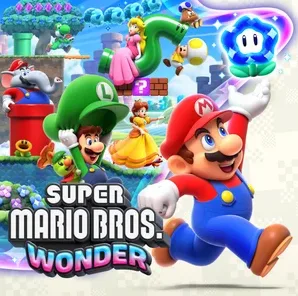
Super Mario Bros. Wonder
Elephant Mario shouldn't work and yet here we are. Wonder Flowers turn every level into a surprise machine, proving 2D Mario still has new tricks after nearly forty years.
About Super Mario Bros. Wonder
A 2D Switch platformer introducing Wonder Flowers that transform levels mid-stage, along with new power-ups like Elephant Mario.
- Released
- 2023
- Platform
- Nintendo Switch
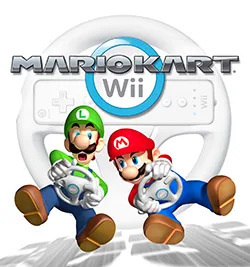
Mario Kart Wii
Bikes, wheelies, and a roster so big it still feels generous today. This sold more than any other Kart game for a reason, even if Wiimote steering split the fanbase right down the middle.
About Mario Kart Wii
A Wii racing game that added motorcycles and wheelies to the kart roster, becoming one of the best-selling racing games ever.
- Released
- 2008
- Platform
- Wii
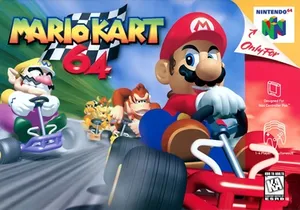
Mario Kart 64
Rainbow Road, Battle Mode on Block Fort, and that moment every N64 owner had four controllers plugged in at once. Clunky by current standards, but it's the one a lot of people's nostalgia is built on.
About Mario Kart 64
The second entry in the Mario Kart series and the first in 3D, introducing Battle Mode courses that are still fan favorites.
- Released
- 1996
- Platform
- Nintendo 64
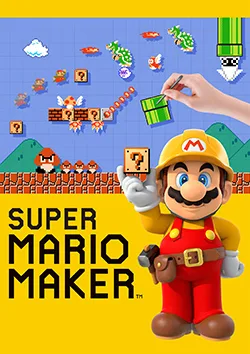
Super Mario Maker
Handing players the actual toolset Nintendo designers use was a genuinely radical idea. The 100 Mario Challenge turned the whole internet into both a level designer and a rage-quit machine.
About Super Mario Maker
A Wii U level-creation tool letting players build and share their own Mario courses using assets from across the series' history.
- Released
- 2015
- Platform
- Wii U
BB Tier
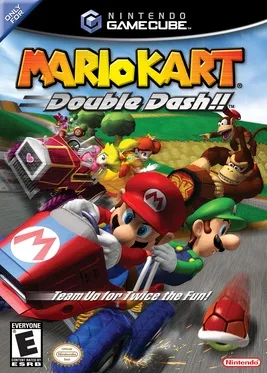
Mario Kart: Double Dash
Two racers per kart and special items tied to characters made this the weird experimental entry. Fans are divided on whether that experiment paid off, but Baby Park alone earns it a soft spot.
About Mario Kart: Double Dash
A GameCube entry featuring two racers sharing one kart, each with their own special item, a mechanic unique to this installment.
- Released
- 2003
- Platform
- GameCube
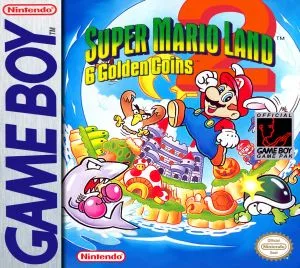
Super Mario Land 2: 6 Golden Coins
The debut of Wario as a villain and a surprisingly ambitious Game Boy platformer with a non-linear world map. It's overshadowed by its console cousins but deserves more credit than it gets.
About Super Mario Land 2: 6 Golden Coins
A Game Boy sequel with a larger, non-linear world map, and the debut appearance of Wario as the antagonist.
- Released
- 1992
- Platform
- Game Boy
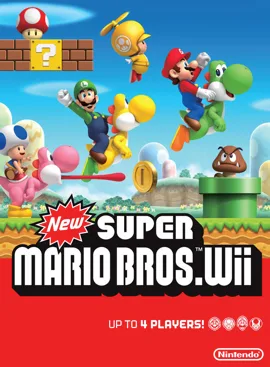
New Super Mario Bros. Wii
Four-player simultaneous co-op was the big hook, and it's still chaotic fun at a party. The level design itself plays it safer than its handheld predecessor, which keeps it out of the top half.
About New Super Mario Bros. Wii
A Wii platformer notable for introducing four-player simultaneous co-op to mainline 2D Mario.
- Released
- 2009
- Platform
- Wii
Super Mario 3D Land
A smart handheld bridge between 2D and 3D Mario, built around the Tanooki Suit and the 3DS's depth gimmick. Good, tight levels, just a little too cautious to really stand out.
About Super Mario 3D Land
A 3DS platformer blending 2D-style level structure with 3D movement, built around the console's stereoscopic 3D feature and the Tanooki Suit.
- Released
- 2011
- Platform
- Nintendo 3DS
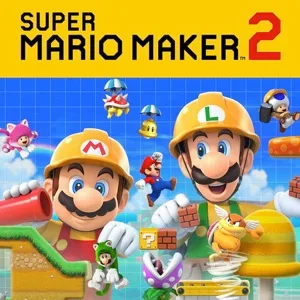
Super Mario Maker 2
More tools, a Story Mode, online multiplayer, and course-world browsing that improved on the original in almost every way. It still doesn't quite capture the lightning-in-a-bottle novelty of the first game.
About Super Mario Maker 2
A Switch sequel to Super Mario Maker, adding new tools, a Story Mode, and online course browsing and multiplayer.
- Released
- 2019
- Platform
- Nintendo Switch
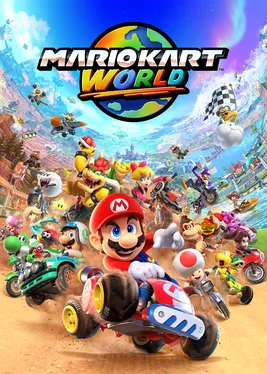
Mario Kart World
Ambitious shift for the series, though it's still settling into fans' rankings compared to the established favorites.
About Mario Kart World
A recent Mario Kart entry built around a connected open-world map between race tracks.
- Platform
- Nintendo Switch 2
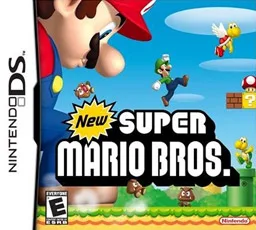
New Super Mario Bros.
The DS comeback that revived 2D Mario after years away, with the Mega Mushroom as its signature gimmick. Solid, pleasant, a little forgettable next to what came before and after it.
About New Super Mario Bros.
A DS platformer that revived classic 2D Mario gameplay after years of 3D-only entries, introducing the Mega Mushroom power-up.
- Released
- 2006
- Platform
- Nintendo DS
CC Tier
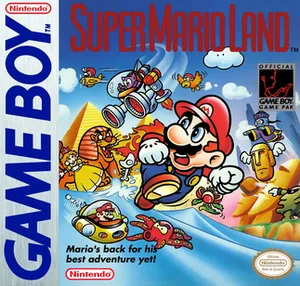
Super Mario Land
Mario's Game Boy debut, with Sarasaland and a submarine shooting section nobody asked for. Charming for what it is, but it's clearly a first draft compared to the series' later handheld work.
About Super Mario Land
Mario's first Game Boy outing, set in Sarasaland with princess Daisy instead of Peach. Shorter and simpler than its console counterparts.
- Released
- 1989
- Platform
- Game Boy
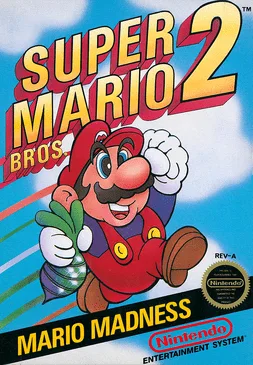
Super Mario Bros. 2
The American version, built from Doki Doki Panic, with vegetable-pulling and no stomping. It's a fun oddity and gave us Peach as playable years before that became standard, but it barely feels like a Mario game.
About Super Mario Bros. 2
The US Super Mario Bros. 2 is a reskin of Doki Doki Panic, featuring Mario, Luigi, Peach and Toad pulling vegetables and enemies to throw. It introduced vertical-focused level design to the series.
- Released
- 1988
- Platform
- NES
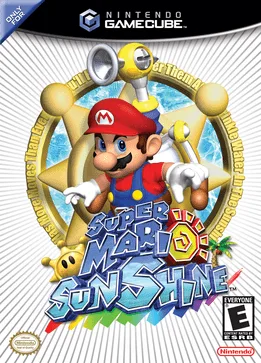
Super Mario Sunshine
FLUDD is divisive, the voice acting is rough, and the blue coins are tedious busywork. But Delfino Plaza's atmosphere and the pure platforming segments without FLUDD show the great game hiding underneath the experiment.
About Super Mario Sunshine
A tropical-themed 3D platformer centered on Delfino Island, notable for FLUDD, the water-spraying backpack tool, replacing some traditional platforming mechanics.
- Released
- 2002
- Platform
- GameCube
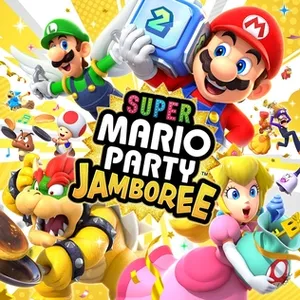
Super Mario Party Jamboree
A big, modern Mario Party with a huge board count and new modes, which is exactly the problem: there's a lot here, but little of it feels essential next to the series' best boards.
About Super Mario Party Jamboree
A recent entry in the Mario Party series featuring a large roster of boards and minigames, continuing the series' party-game formula on Switch.
- Platform
- Nintendo Switch
FF Tier
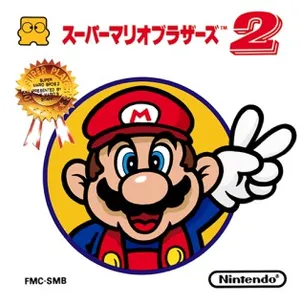
Super Mario Bros.: The Lost Levels
Nintendo made this the Japan-only sequel specifically because it was considered too punishing for Western audiences. Poison mushrooms disguised as regular ones and wind that ruins every jump make this feel less like a game and more like a grudge.
About Super Mario Bros.: The Lost Levels
A harder sequel released only in Japan originally, later brought West as part of Super Mario All-Stars. Known for its punishing difficulty and trick level design.
- Original region
- Japan only
- Platform
- FDS, later SNES compilation
How we ranked them
We weighed how well each game has held up, how much it moved the series forward, and how often it gets brought up when fans argue about the "best Mario ever." Innovation counts for a lot here: games that reshaped what a Mario title could be rank above games that just executed an existing formula well. Replayability, level design, and cultural footprint all factored in too.
Think we got it wrong?
Drag all 28 mario games into your own tier list, then download the image or share a link.
Rank these yourselfFAQ
What is the best Mario game of all time?
No single answer gets full agreement, but Super Mario 64, Super Mario World, Super Mario Odyssey, and Super Mario Galaxy are the names that come up most in these debates.
What is the hardest Mario game?
Super Mario Bros.: The Lost Levels is widely considered the toughest, originally released in Japan because Nintendo thought it was too difficult for other markets.
Is Super Mario RPG the same as the original SNES game?
The Super Mario RPG remake rebuilt the visuals and updated some mechanics, but the story and turn-based combat system stay true to the 1996 original.
Which Mario Kart game is the best selling?
Mario Kart Wii is one of the best selling racing games ever made, helped by its pack-in with the Wii console.
Is Paper Mario: The Thousand-Year Door better than the original Paper Mario?
Most fans and critics rank The Thousand-Year Door above the original Paper Mario, mainly for its writing, partner characters, and the Glitz Pit storyline.
More rankings
Image credits
- Super Mario Bros. 3Cover: Wikipedia · Source
- Super Mario WorldCover: Wikipedia · Source
- Super Mario 64Cover: Wikipedia · Source
- Super Mario GalaxyCover: Wikipedia · Source
- Super Mario OdysseyCover: Wikipedia · Source
- Paper Mario: The Thousand-Year DoorCover: Wikipedia · Source
- Super Mario Galaxy 2Cover: Wikipedia · Source
- Super Mario Bros.Cover: Wikipedia · Source
- Super Mario World 2: Yoshi's IslandCover: Wikipedia · Source
- Super Mario RPGCover: Wikipedia · Source
- Mario & Luigi: Superstar SagaCover: Wikipedia · Source
- Super Mario 3D WorldCover: Wikipedia · Source
- Super Mario Bros. WonderCover: Wikipedia · Source
- Mario Kart WiiCover: Wikipedia · Source
- Mario Kart 64Cover: Wikipedia · Source
- Super Mario MakerCover: Wikipedia · Source
- Mario Kart: Double DashCover: Wikipedia · Source
- Super Mario Land 2: 6 Golden CoinsCover: Wikipedia · Source
- New Super Mario Bros. WiiCover: Wikipedia · Source
- Super Mario 3D LandCover: Wikipedia · Source
- Super Mario Maker 2Cover: Wikipedia · Source
- Mario Kart WorldCover: Wikipedia · Source
- New Super Mario Bros.Cover: Wikipedia · Source
- Super Mario LandCover: Wikipedia · Source
- Super Mario Bros. 2Cover: Wikipedia · Source
- Super Mario SunshineCover: Wikipedia · Source
- Super Mario Party JamboreeCover: Wikipedia · Source
- Super Mario Bros.: The Lost LevelsCover: Wikipedia · Source