
Horror Movie Franchises Tier List, Ranked
Twenty-six franchises, decades of masked killers, demons, dolls and one very persistent minivan full of teenagers. Some of these series redefined horror, some coasted on a great first entry, and a few just refuse to die no matter how many sequels bomb.
We ranked all 26 based on what fans and critics generally agree on: cultural impact, consistency across sequels, how scary or memorable the series actually is, and whether it stuck the landing or limped to the finish line. Where the fanbase is split, we picked a side and said so.
Disagree with where your favorite landed? That's half the fun. Argue it out, then make your own list.
The tier list
The community’s tier list fills in as members vote. It appears once 5 members have ranked or voted on these.
Think you can rank them better?
Make your own tier listFree account. Your ranking stays private unless you share it, and it counts toward the community tier list.Vote
SS Tier: The genre-definers
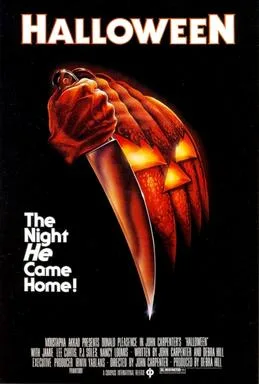
Halloween
John Carpenter basically invented the modern slasher template with Michael Myers and a $300,000 budget. The sequels are a mess of timelines and retcons, but the original is still the gold standard, and the 2018 legacy sequel proved the formula still works when someone bothers to try.
About Halloween
A 1978 slasher directed by John Carpenter that introduced Michael Myers, a silent masked killer stalking Haddonfield, Illinois. It spawned numerous sequels and reboots and is widely credited as a defining entry in the slasher genre.
- First film
- 1978
- Director
- John Carpenter
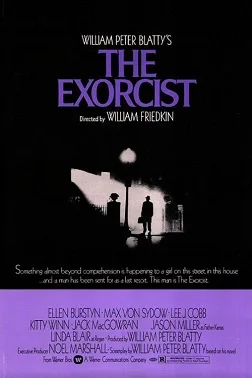
The Exorcist
Still the one people bring up when they argue horror can be real art. The 1973 film terrified audiences so badly that theaters reportedly handed out barf bags, and no sequel has come close to matching it, but it doesn't need to. One all-timer carries this whole franchise.
About The Exorcist
William Friedkin's 1973 film about a young girl's demonic possession is widely considered one of the most influential horror films ever made.
- First film
- 1973
Also ranked in: Best Horror Movies of All Time, Ranked
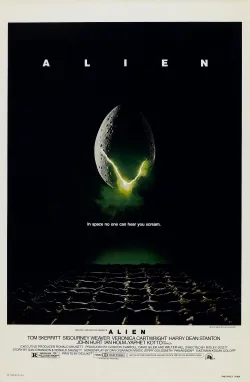
Alien
Ridley Scott's original is a horror movie wearing a sci-fi costume, and Aliens proved the series could switch genres and still be great. Few franchises can claim two masterpieces back to back, and the xenomorph remains one of cinema's best designed monsters.
About Alien
Ridley Scott's 1979 sci-fi horror film introduced the xenomorph and Ellen Ripley, spawning a long-running franchise mixing horror and science fiction.
- First film
- 1979
- Director
- Ridley Scott
Also ranked in: Best Horror Movies of All Time, Ranked
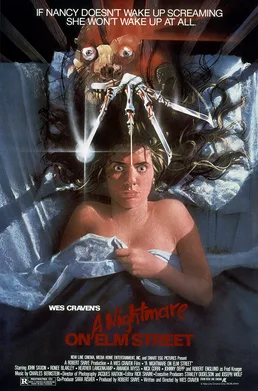
A Nightmare on Elm Street
Freddy Krueger turned sleep itself into the threat, which is a genuinely brilliant hook. Wes Craven's original is a nightmare-logic classic, and even the cheesier sequels gave us iconic kills and one-liners that horror fans still quote.
About A Nightmare on Elm Street
Wes Craven's 1984 franchise about Freddy Krueger, a disfigured killer who stalks teenagers in their dreams. Spawned multiple sequels and a 2010 remake.
- First film
- 1984
- Director
- Wes Craven
Also ranked in: Best Horror Movies of All Time, Ranked
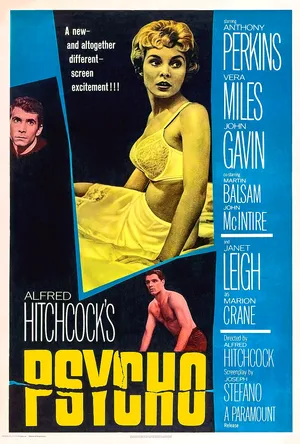
Psycho
Hitchcock killed off his lead actress a third of the way through and rewired what audiences expected from a thriller forever. The Bates Motel sequels never got close to the original, but that shower scene alone earns this franchise permanent S tier status.
About Psycho
Alfred Hitchcock's 1960 thriller introduced Norman Bates and is considered one of the most influential films in horror and thriller history.
- First film
- 1960
- Director
- Alfred Hitchcock
Also ranked in: Best Horror Movies of All Time, Ranked
AA Tier: Horror royalty
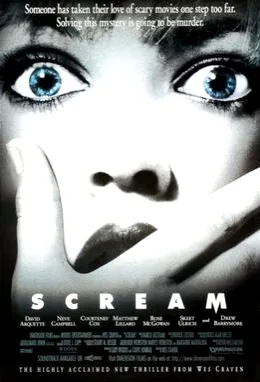
Scream
Wes Craven's meta-slasher managed to mock the genre's rules while still following them perfectly, and somehow that joke hasn't gotten old across multiple sequels and a legacy requel. Ghostface asking 'what's your favorite scary movie' is permanently lodged in pop culture.
About Scream
A self-aware slasher franchise created by Wes Craven, following a masked killer known as Ghostface across multiple films set largely in Woodsboro.
- First film
- 1996
Also ranked in: Best Horror Movies of All Time, Ranked
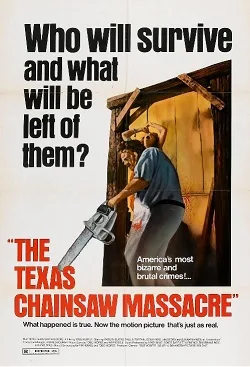
The Texas Chainsaw Massacre
Tobe Hooper's 1974 original is still one of the most relentless, grimy horror films ever made, with Leatherface's chainsaw becoming instant shorthand for backwoods terror. The sequels are wildly uneven, but nothing dims how effective that first film remains.
About The Texas Chainsaw Massacre
Tobe Hooper's 1974 horror film introduced Leatherface and a family of cannibals in rural Texas, spawning sequels, prequels and remakes.
- First film
- 1974
Also ranked in: Best Horror Movies of All Time, Ranked
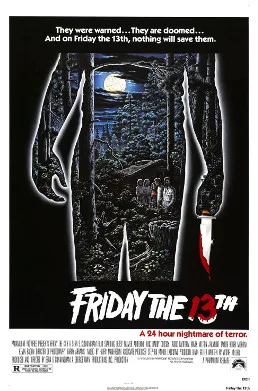
Friday the 13th
Jason Voorhees turned Camp Crystal Lake into the most dangerous place in horror, and the franchise leaned hard into body count over story, which is exactly what its fans wanted. It's not subtle, it's not scary in a cerebral way, but it's consistently, dependably fun slasher trash.
About Friday the 13th
A long-running slasher series centered on Jason Voorhees and Camp Crystal Lake, starting in 1980. Known for its high body counts and practical gore effects.
- First film
- 1980
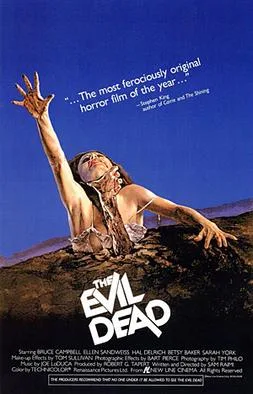
Evil Dead
Sam Raimi's scrappy cabin-in-the-woods original became a franchise that swung confidently from terrifying to slapstick and back, with Bruce Campbell's Ash becoming a horror-comedy icon. The 2013 remake and 2023's Evil Dead Rise proved the series can still find new blood, literally.
About Evil Dead
Sam Raimi's franchise about the Necronomicon unleashing demonic forces, starring Bruce Campbell as Ash Williams across several tonally varied entries.
- First film
- 1981
The Conjuring Universe
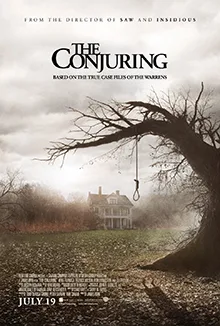
James Wan built an entire interconnected horror universe out of Ed and Lorraine Warren's case files, spinning off Annabelle, The Nun and more. It's uneven across spinoffs, but the mainline Conjuring films are some of the best mainstream studio horror of the last decade.
About The Conjuring Universe
A shared horror universe created by James Wan, based loosely on cases investigated by paranormal researchers Ed and Lorraine Warren, including spinoffs like Annabelle and The Nun.
- First film
- 2013
Terrifier
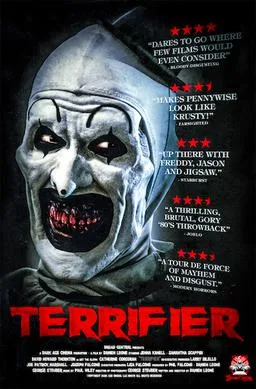
Art the Clown went from a no-budget internet curiosity to packing theaters with practical gore so extreme it reportedly made people pass out at screenings. For a franchise with almost no studio backing, Terrifier earning this much buzz is genuinely impressive.
About Terrifier
A slasher franchise starring Art the Clown, known for extreme practical gore effects and growing from a micro-budget origin into a theatrical horror hit.
- First film
- 2016
BB Tier: Solid, dependable scares
The Omen
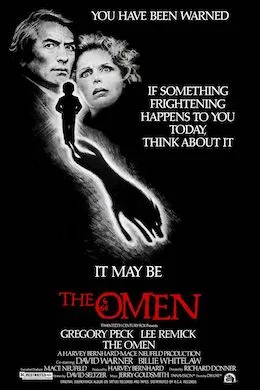
Damien Thorn gave devil-child horror its defining image, and the 1976 original is a genuinely unsettling slow burn with a great Gregory Peck performance. The sequels diluted the dread, but that first film's death sequences still hold up as classic 70s horror.
About The Omen
A franchise about Damien Thorn, a child revealed to be the Antichrist, starting with the 1976 original starring Gregory Peck.
- First film
- 1976
Hellraiser
Pinhead and the Cenobites gave horror one of its most distinct visual languages, all leather and chains and unsettling calm. Clive Barker's original is a nasty little masterpiece, but the endless direct-to-video sequels dragged the brand's reputation down hard.
About Hellraiser
Clive Barker's franchise introduced Pinhead and the Cenobites, otherworldly beings tied to a mysterious puzzle box.
- First film
- 1987
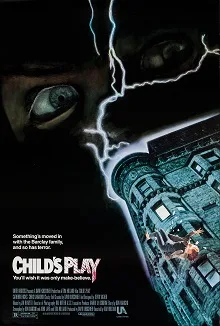
Child's Play
Chucky is proof a killer doll concept shouldn't work as well as it does, across movies, a TV series and endless self-aware sequels. The franchise leaned into dark comedy without losing its edge, which is harder to pull off than it looks.
About Child's Play
A franchise about Chucky, a doll possessed by a serial killer's soul, spanning films, a remake and a television series.
- First film
- 1988
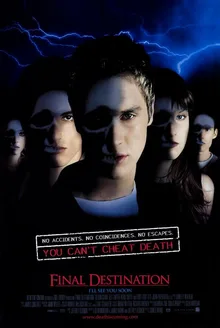
Final Destination
No masked killer, just Death itself engineering elaborate Rube Goldberg accidents, which turned out to be a fantastic hook for a franchise. The kills got more creative with each entry, even if the human characters were always just there to die in order.
About Final Destination
A franchise built around characters who cheat death, only for Death itself to hunt them down through elaborate accidents.
- First film
- 2000
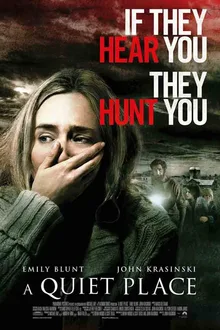
A Quiet Place
John Krasinski's high-concept creature feature, where sound equals death, is one of the smartest original horror ideas of the 2010s. Two tight, tense films in and the franchise hasn't worn out its welcome yet, which is rare this far in.
About A Quiet Place
A franchise from John Krasinski about a family surviving an invasion of sound-hunting creatures by staying nearly silent.
- First film
- 2018
Also ranked in: Best Horror Movies of All Time, Ranked
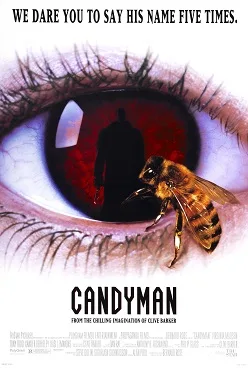
Candyman
Say his name five times and you get one of horror's most tragic, socially pointed villains, rooted in real urban legend and real history. The 1992 original is underrated outside horror circles, and the 2021 Nia DaCosta sequel reinvigorated it with sharper teeth.
About Candyman
A franchise rooted in urban legend about a hook-handed spirit summoned by saying his name five times in a mirror, tied to real social and historical themes.
- First film
- 1992
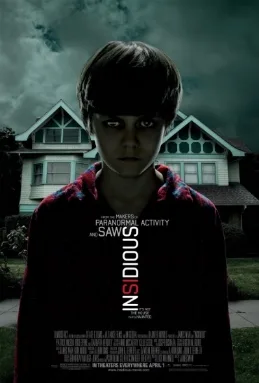
Insidious
James Wan's astral-projection haunted house series gave us The Further and Lin Shaye's Elise Rainier, a rare horror franchise anchor who isn't a killer. It's jump-scare heavy, sure, but it's also consistently stylish in a way a lot of haunted house knockoffs aren't.
About Insidious
A supernatural horror franchise from James Wan and Leigh Whannell centered on astral projection and a spirit realm called The Further.
- First film
- 2010
Also ranked in: Best Horror Movies of All Time, Ranked
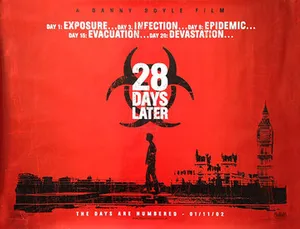
28 Days Later
Danny Boyle's rage virus relaunched the zombie genre by making the infected sprint instead of shuffle, which changed the subgenre's DNA. Only a couple of films deep plus a long-awaited sequel, but its influence on zombie horror outweighs its size.
About 28 Days Later
Danny Boyle's franchise reimagined zombies as fast-moving rage-infected humans, beginning with a London emptied by viral outbreak.
- First film
- 2002
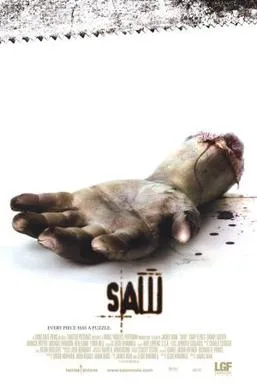
Saw
Jigsaw's traps turned into an entire horror economy, practically inventing the 2000s torture-horror wave and releasing a new installment almost every Halloween for years. The games got increasingly convoluted, but the first film's twist is still genuinely well-constructed.
About Saw
A torture-horror franchise built around Jigsaw, a killer who forces victims into deadly moral tests. Known for its twist endings and interconnected timeline.
- First film
- 2004
CC Tier: Great idea, mixed execution
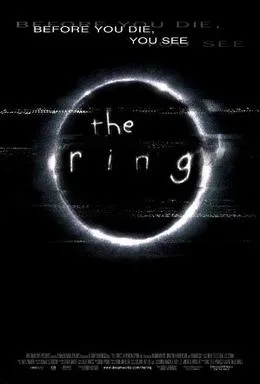
The Ring
Samara crawling out of the TV is one of the defining images of early-2000s horror and helped kick off the J-horror remake boom in America. The sequels never figured out how to top that one scene, and the franchise has mostly gone quiet since.
About The Ring
An American franchise, based on the Japanese Ringu series, about a cursed videotape that kills viewers seven days after they watch it.
- First film
- 2002
Also ranked in: Best Horror Movies of All Time, Ranked
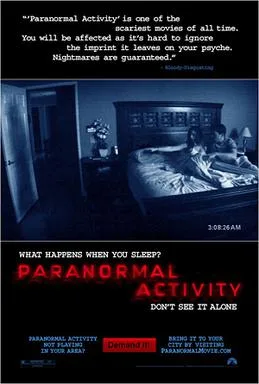
Paranormal Activity
A found-footage franchise built on creaky floorboards and Blumhouse's micro-budget model that made an absurd amount of money relative to cost. Effective in the first couple entries, but the formula wore thin fast across the many sequels.
About Paranormal Activity
A found-footage franchise following hauntings documented through home surveillance cameras, produced on very low budgets relative to box office returns.
- First film
- 2007
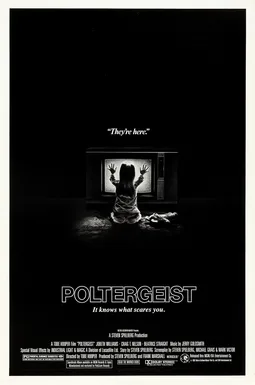
Poltergeist
'They're here' is one of horror's most quotable lines, and the original still unsettles with its suburban-haunting premise. The franchise never recovered its footing after the first film, and the 2015 remake didn't do it any favors either.
About Poltergeist
A supernatural horror franchise about a suburban family's house invaded by malevolent spirits, originally produced by Steven Spielberg.
- First film
- 1982
Also ranked in: Best Horror Movies of All Time, Ranked
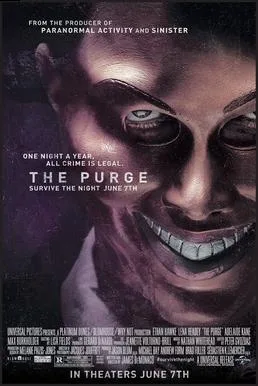
The Purge
One night a year, all crime is legal, which is a genuinely sharp social-horror premise that the franchise used more for political commentary than actual scares. It's more thriller than horror most of the time, and the sequels leaned further into that.
About The Purge
A franchise set in a near-future America where all crime, including murder, is legal for one night a year.
- First film
- 2013
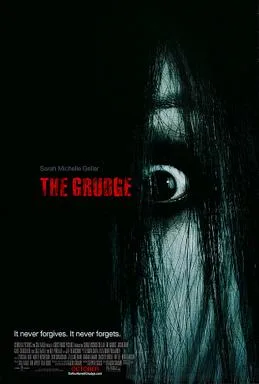
The Grudge
Kayako's rattling throat-noise and the curse-spreads-to-whoever-enters-the-house concept made for a genuinely creepy J-horror import. The American remakes kept recycling the same beats until the formula stopped landing.
About The Grudge
An American horror franchise adapted from the Japanese Ju-On series, centered on a curse born from a violent death that infects a house.
- First film
- 2004
DD Tier: Ran on fumes
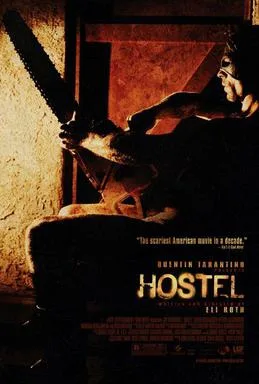
Hostel
Eli Roth's torture-tourism franchise got lumped into the 'torture porn' label and never really shook it off. The first film has a nasty, effective premise about backpackers paying to torture tourists, but the sequels felt more exploitative than scary.
About Hostel
Eli Roth's franchise follows travelers lured into a facility where tourists pay to torture and kill kidnapped victims.
- First film
- 2005
How we ranked them
We weighed cultural impact (did it change horror or just copy it), consistency across the whole series rather than just one great movie, scares that still hold up, and longevity, whether people are still watching or rebooting it decades later. Franchises with one classic but a pile of forgettable sequels lost points. Ones that stayed sharp or reinvented themselves climbed higher. Consensus from horror forums and critics broke ties, with our own judgment settling the close calls.
Think we got it wrong?
Drag all 26 horror movie franchises into your own tier list, then download the image or share a link.
Rank these yourselfFAQ
What is the best horror movie franchise of all time?
By consensus, Halloween, The Exorcist, Alien, A Nightmare on Elm Street and Psycho sit at the top. These are the franchises that didn't just scare audiences, they changed how horror movies got made.
Which horror franchise has the most movies?
Friday the 13th, A Nightmare on Elm Street, Halloween and Saw are among the most prolific, each with a dozen or more films, sequels, crossovers and reboots combined.
What is the weakest horror franchise on this list?
Hostel lands at the bottom here. The original has a strong, nasty premise, but the sequels leaned into exploitation over genuine scares and the series never built the consistency of its peers.
Is Terrifier really better than Saw or Hostel?
By reputation and current buzz, yes, fans rank it highly. Art the Clown built a devoted following almost entirely on word of mouth and practical gore effects, which is a rare feat for a franchise with minimal studio backing.
Why isn't Child's Play or Hellraiser ranked higher?
Both have genuinely great original films and iconic villains, but inconsistent sequels and franchise fatigue kept them out of the top tiers. Strong starts don't always mean a strong whole series.
More rankings
Image credits
- HalloweenCover: Wikipedia · Source
- The ExorcistCover: Wikipedia · Source
- AlienCover: Wikipedia · Source
- A Nightmare on Elm StreetCover: Wikipedia · Source
- PsychoPhoto: Designed by Macario Gómez Quibus. "© Shamley Productions, Inc.", Public domain (Wikimedia Commons) · Source
- ScreamCover: Wikipedia · Source
- The Texas Chainsaw MassacreCover: Wikipedia · Source
- Friday the 13thCover: Wikipedia · Source
- Evil DeadCover: Wikipedia · Source
- The Conjuring UniverseCover: Wikipedia · Source
- TerrifierCover: Wikipedia · Source
- The OmenCover: Wikipedia · Source
- HellraiserCover: Wikipedia · Source
- Child's PlayCover: Wikipedia · Source
- Final DestinationCover: Wikipedia · Source
- A Quiet PlaceCover: Wikipedia · Source
- CandymanCover: Wikipedia · Source
- InsidiousCover: Wikipedia · Source
- 28 Days LaterCover: Wikipedia · Source
- SawCover: Wikipedia · Source
- The RingCover: Wikipedia · Source
- Paranormal ActivityCover: Wikipedia · Source
- PoltergeistCover: Wikipedia · Source
- The PurgeCover: Wikipedia · Source
- The GrudgeCover: Wikipedia · Source
- HostelCover: Wikipedia · Source