











Music Genres Tier List: Ranking All the Greats
Twenty-six genres, one messy argument that's been running since someone first plugged in an electric guitar. We pulled together what fans and critics tend to agree on across forums, reviews and best-of lists, then made the calls where people genuinely can't agree (looking at you, dubstep).
This isn't about which genre is "best" in some abstract sense. It's about cultural reach, the quality of the catalog, how much it changed what came after, and whether it still has a pulse today. Disagree? That's the fun part. Make your own list and fight us in the comments.
The tier list
The community’s tier list fills in as members vote. It appears once 5 members have ranked or voted on these (1 so far).
Think you can rank them better?
Make your own tier listFree account. Your ranking stays private unless you share it, and it counts toward the community tier list.Vote
SS Tier: The all-time greats
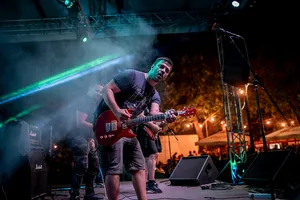
Rock
The genre that ate every other genre. From Chuck Berry's riffs to stadium anthems to basement garage bands, rock has spent seventy years splitting into new subgenres instead of dying. Half this list exists because rock cracked open first.
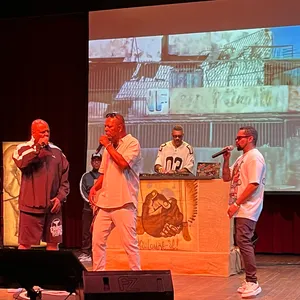
Hip-Hop
Started on turntables in the Bronx and became the dominant global sound of the last thirty years. It reshaped pop, R&B and even rock production, and the lyrical craft at its best rivals anything in popular music.
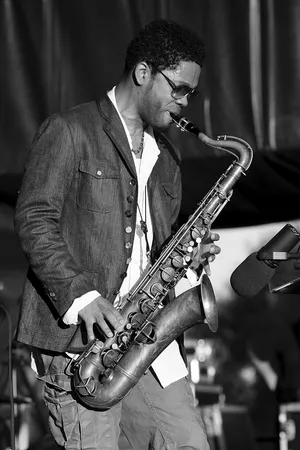
Jazz
The original American art form, and still the genre musicians from every other style point to when they want to show off technique. Miles Davis alone could justify a tier this high, and that's before you get to Coltrane or Ellington.
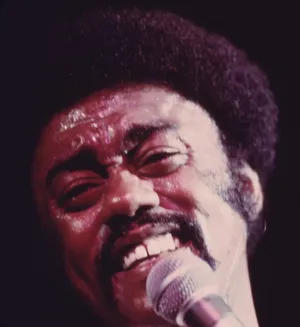
Soul
Aretha Franklin, Otis Redding, Marvin Gaye: this is the sound of raw feeling turned into songcraft. Soul is the connective tissue between gospel and basically everything that came after it in Black American music.
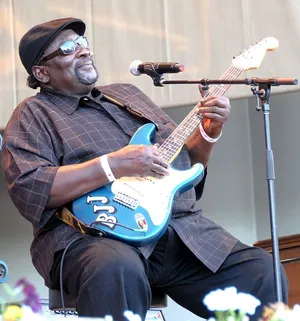
Blues
Blues is the root system for basically everything else on this list. Rock, soul, jazz and R&B all trace straight back to it, and that kind of influence demands S tier. It belongs with the founders, not the descendants.
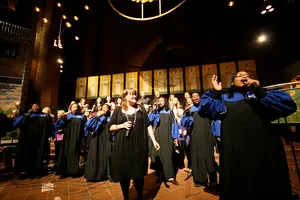
Gospel
Gospel belongs with the S tier giants, it's the root system beneath soul, blues, and most of American popular music. The vocal technique, the call and response, the raw emotional delivery, all of it traces back to the church. Without gospel there's no soul, no Motown, and arguably no rock and roll as we know it.
AA Tier: Massive influence, no asterisks
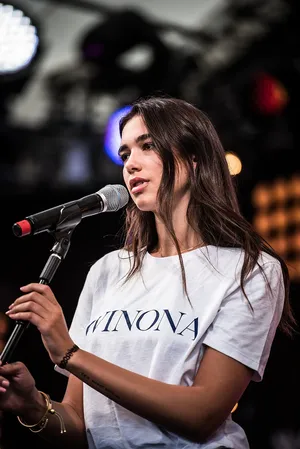
Pop
People love to call it shallow, but pop is just the genre of hooks, and writing a perfect hook is brutally hard. Michael Jackson, ABBA and whoever's topping the charts right now all live under this tent.
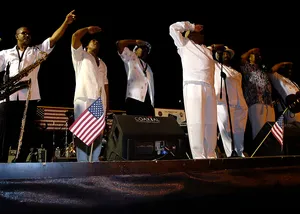
Funk
James Brown told the band to hit the one, and funk was born as the most physically demanding genre on this list, every instrument locked into a groove with zero slack. Sampled into hip-hop more than almost anything else.
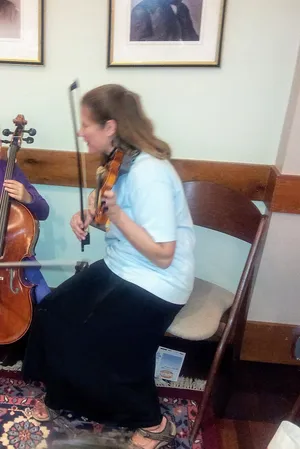
Classical
Centuries deep and still the baseline for musical theory everywhere else. You don't need to know a symphony's name to recognize Beethoven when it hits, and that's the kind of reach few genres manage.
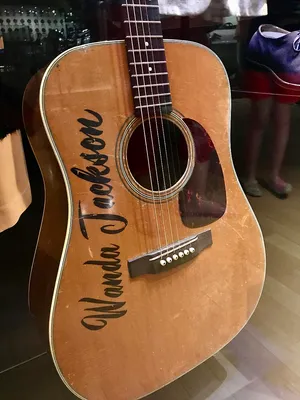
Country
Storytelling set to a twang, and more flexible than critics give it credit for: it's absorbed rock, pop and hip-hop production without losing its backbone. Johnny Cash and Dolly Parton are as iconic as American music gets.
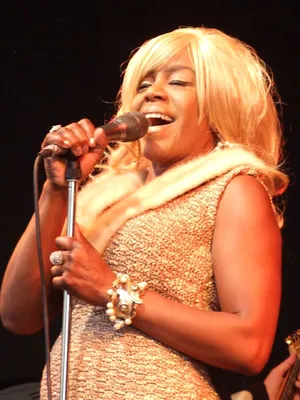
R&B
The smoothest through-line in popular music, constantly updating itself from doo-wop to new jack swing to the moody, bedroom-produced sound of today. Few genres age this gracefully.
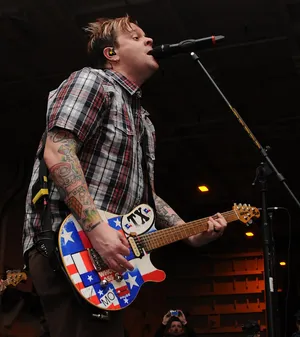
Punk Rock
Three chords, a bad attitude, and a permanent influence on anyone who thinks music should be loud and fast and over in two minutes. The Ramones and the Sex Pistols didn't invent rebellion, but they gave it a uniform.

Reggae
Bob Marley made it global, but the genre's real legacy is in rhythm: reggae's offbeat skank reshaped dub, ska, and eventually hip-hop and reggaeton production. Jamaica's biggest musical export, by a mile.

House
House took the DNA of disco and funk and turned it into a club religion out of Chicago. It's the backbone of modern dance music, influencing everything from techno to pop production for decades. Solid B tier, essential but a notch below the all time greats.
Alternative Rock
Alt rock earns its A tier for reshaping the 90s and giving guitar music a second wind after hair metal flamed out. Nirvana, Radiohead, and R.E.M. prove it could be raw or cerebral and still hit hard. It bridges punk attitude with pop songcraft, which is why it still fuels festival headliners today.
Salsa
Salsa brings relentless rhythm and horn work that turned it into a global dance phenomenon. It fuses Afro-Cuban roots with jazz sophistication, giving it the musical depth to sit with the A-tier greats. Not quite foundational like the S-tier genres, but its influence on Latin music and dance culture worldwide is undeniable.
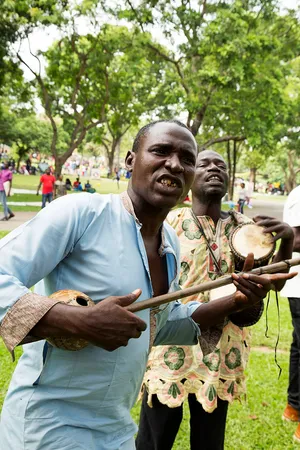
Afrobeats
Afrobeats has exploded globally and brought African sound to the top of the charts worldwide. The grooves are infectious, the artists are stars, and the genre has earned its place among the heavy hitters. Not quite S tier legendary status yet, but it is climbing fast and deserves serious respect.
BB Tier: Genuinely excellent, just not world-conquering

Disco
Mocked, buried, and then quietly admitted into the hip-hop and house family trees that run through today's dance floors. 'Stayin' Alive' and Donna Summer deserve more credit than the backlash ever gave them.
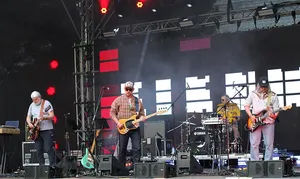
Indie Rock
The sound of guitar music after major labels stopped calling the shots. Scrappy, uneven by design, but responsible for a huge chunk of the most interesting rock made since the 90s.
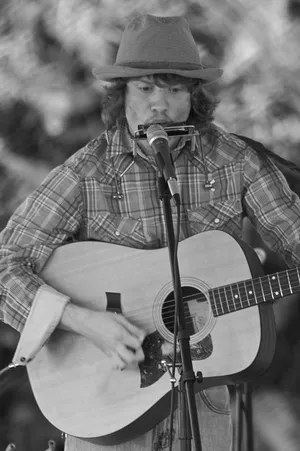
Folk
Bob Dylan plugged it into the mainstream, but folk's real strength is how it keeps resurfacing, acoustic, political, personal, whenever people want music stripped back to just a voice and a story.

K-Pop
A genuine production machine: tight choreography, maximalist hooks, and a fanbase organized like a small army. Critics used to dismiss it; nobody's laughing at BTS's chart numbers anymore.
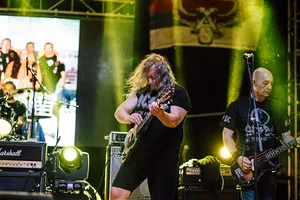
Heavy Metal
Black Sabbath slowed rock down and made it heavier, and metal's been splintering into ever more specific subgenres ever since. Divisive outside its fanbase, but nobody questions the musicianship.

Reggaeton
A genuine global force with undeniable commercial muscle, but the perreo beat can wear thin across a whole album. Great for the party, less great for a front to back listening session. Lands comfortably in C, respected more than loved by purists.
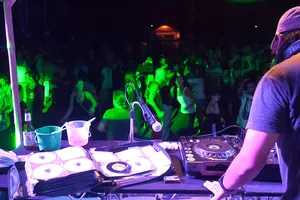
Techno
Techno built entire club cultures in Detroit and Berlin and it still fills warehouses decades later. It lacks the broad crossover reach of House or Disco, but its influence on electronic music production is undeniable. A solid C, respected by producers more than casual radio listeners.
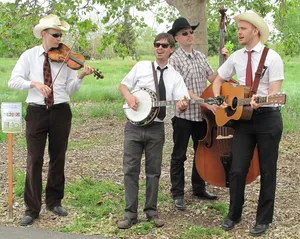
Bluegrass
Bluegrass earns respect for its musicianship and roots authenticity, banjo rolls and tight harmonies take real skill. It stays niche though, a beloved tradition rather than a genre that reshaped the mainstream. Solidly C tier, admired by those who know it, overlooked by everyone else.
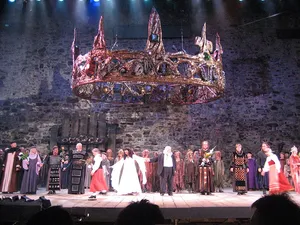
Opera
Opera has centuries of vocal mastery and drama behind it, but it just doesn't mix with the rest of the modern genre landscape here. Respect for the craft, but it stays niche outside classical circles. A solid C, admired more than listened to by most.
Trap
Trap earns its spot in C tier alongside the other genre-adjacent subgenres like Reggaeton and Techno. It has real cultural weight and dominates streaming charts, but its narrow sonic palette and over reliance on the same 808 patterns and hi hat rolls keep it from climbing higher. Solid, influential, but not foundational like the genres above it.

EDM / Electronic
EDM built festival culture and mainstream crossover hits, and its influence on pop production is undeniable. Still, its roots are shallower than genres with decades of songwriting depth behind them, which keeps it out of the top tiers. A solid B, reliable for a good time but not for genre-defining weight.
CC Tier: Respected, niche, or divisive
Dubstep
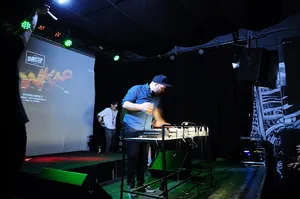
Dubstep had its moment with the wobble bass explosion but it burned hot and fast, aging into festival nostalgia more than a living genre. It influenced a lot of mainstream pop and EDM production, but on its own it rarely holds up as a deep listen. Fits right alongside Trap as a genre defined more by a single signature sound than lasting range.
How we ranked them
We weighed cultural impact, depth and quality of the catalog, influence on later genres, and staying power as a living scene rather than a museum piece. Longevity counts for a lot here: a genre that's been reinvented by three generations ranks higher than one that peaked and faded. We also factored in how consensus holds up across critic retrospectives and fan discussion, breaking ties with our own judgment where the room is split.
Think we got it wrong?
Drag all 29 music genres into your own tier list, then download the image or share a link.
Rank these yourselfFAQ
What's the most influential music genre of all time?
Most critics point to either blues or jazz, since both fed directly into rock, soul, R&B and hip-hop. Rock gets the nod here for how many other genres it went on to spawn.
Is pop music a 'real' genre or just a catch-all?
Both, honestly. Pop borrows constantly from other genres, but writing a song built purely around a hook is its own skill, and the best pop songwriters are as respected as anyone in music.
Why is dubstep ranked lower than other electronic genres?
Early dubstep was atmospheric and well-regarded, but the mainstream 'brostep' wave that followed burned out its reputation fast, and it hasn't aged as well as house or techno.
Is reggaeton the same as reggae?
No. Reggaeton grew out of Jamaican dancehall and Latin American music in Puerto Rico, built around the dembow rhythm. Reggae is the earlier Jamaican genre tied to artists like Bob Marley.
Which genre on this list is the oldest?
Classical and opera both stretch back centuries, far earlier than anything else ranked here, which were mostly 20th century genres.
More rankings
Image credits
- RockPhoto: Shixart1985, CC BY 2.0 (Wikimedia Commons) · License · Source
- Hip-HopPhoto: Hollandassiz, CC0 (Wikimedia Commons) · License · Source
- JazzPhoto: Jimmy Baikovicius from Montevideo, Uruguay, CC BY-SA 2.0 (Wikimedia Commons) · License · Source
- SoulPhoto: The U.S. National Archives, Public domain (Wikimedia Commons) · Source
- BluesPhoto: Nubiatech, CC BY-SA 3.0 (Wikimedia Commons) · License · Source
- GospelPhoto: US Embassy Sweden, CC BY 2.0 (Wikimedia Commons) · License · Source
- PopPhoto: Harald Krichel, CC BY-SA 4.0 (Wikimedia Commons) · License · Source
- FunkPhoto: Sgt. Mark Matthews, Public domain (Wikimedia Commons) · Source
- ClassicalPhoto: EgorovaSvetlana, CC BY-SA 4.0 (Wikimedia Commons) · License · Source
- CountryPhoto: e Kat, CC0 (Wikimedia Commons) · License · Source
- R&BPhoto: Zesteel, Public domain (Wikimedia Commons) · Source
- Punk RockPhoto: Mass Communication Specialist Seaman Zachary S. Welch, Public domain (Wikimedia Commons) · Source
- ReggaePhoto: Krzysztof Popławski, CC BY-SA 4.0 (Wikimedia Commons) · License · Source
- HousePhoto: XxTechnicianxX, CC0 (Wikimedia Commons) · License · Source
- Alternative RockPhoto: Petty Officer 1st Class David P. Coleman, Public domain (Wikimedia Commons) · Source
- SalsaPhoto: Glen Bowman from Newcastle, England, CC BY 2.0 (Wikimedia Commons) · License · Source
- AfrobeatsPhoto: Bakam Adams, CC BY-SA 4.0 (Wikimedia Commons) · License · Source
- DiscoPhoto: John Vance, CC BY-SA 2.0 (Wikimedia Commons) · License · Source
- Indie RockPhoto: Sillerkiil, CC0 (Wikimedia Commons) · License · Source
- FolkPhoto: Nathan Forget, CC BY 2.0 (Wikimedia Commons) · License · Source
- K-PopPhoto: Korea.net / Korean Culture and Information Service (Jeon Han), CC BY-SA 2.0 (Wikimedia Commons) · License · Source
- Heavy MetalPhoto: Shixart1985, CC BY 2.0 (Wikimedia Commons) · License · Source
- ReggaetonPhoto: Iselamedia13, CC BY-SA 4.0 (Wikimedia Commons) · License · Source
- TechnoPhoto: Vyacheslav Argenberg, CC BY 4.0 (Wikimedia Commons) · License · Source
- BluegrassPhoto: Matt Bruensteiner, CC BY-SA 2.0 (Wikimedia Commons) · License · Source
- OperaPhoto: Jaakko H., CC BY-SA 3.0 (Wikimedia Commons) · License · Source
- TrapPhoto: JIHAD MEDIA, CC BY-SA 4.0 (Wikimedia Commons) · License · Source
- EDM / ElectronicPhoto: Vyacheslav Argenberg, CC BY 4.0 (Wikimedia Commons) · License · Source
- DubstepPhoto: Christo, CC BY-SA 4.0 (Wikimedia Commons) · License · Source