

















Vegetables Tier List: Every Common Veggie Ranked
Thirty-two vegetables, zero neutrality. We're ranking the stuff you actually find in a produce aisle or a Sunday roast, from the ones that carry entire cuisines to the ones that mostly show up because someone's grandparent insists on them.
This is based on how fans, cooks and forums talk about these vegetables: versatility, flavor, how often they're the star rather than the filler, and yes, a bit of nostalgia or dread depending on your childhood dinner table. Disagree with where we put mushroom or celery? Good. That's the point. Make your own list.
The tier list
The community’s tier list fills in as members vote. It appears once 5 members have ranked or voted on these.
Think you can rank them better?
Make your own tier listFree account. Your ranking stays private unless you share it, and it counts toward the community tier list.Vote
SS Tier: The non-negotiables
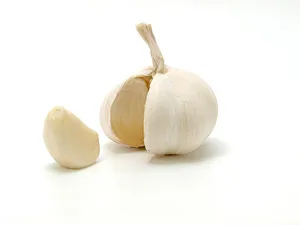
Garlic
Not really a vegetable to most people, it's a flavor delivery system, and that's exactly why it's here. Almost no savory cuisine on earth skips it, and a dish without it tends to taste like it's missing something even if you can't say what.
About Garlic
A pungent bulb related to onions, used in small amounts to flavor dishes across almost every cuisine.
- Type
- Bulb vegetable
- Family
- Allium
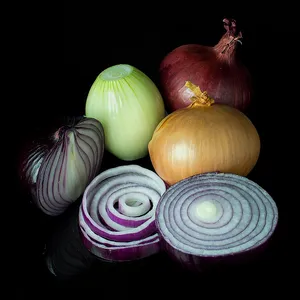
Onion
The actual backbone of more recipes than any other vegetable on this list. Soffritto, mirepoix, sofrito, whatever you call the base of your grandmother's sauce, onion is in it, and it goes from sharp and raw to sweet and jammy depending on how long you cook it.
About Onion
A bulb vegetable used as a flavor base in savory cooking nearly worldwide.
- Type
- Bulb vegetable
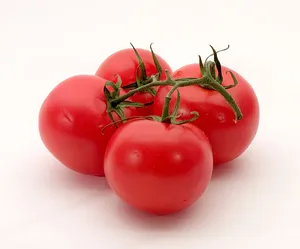
Tomato
Technically a fruit, permanently a vegetable in the kitchen and in this ranking. Pizza, salsa, marinara, a BLT, a simple caprese salad: pull tomato out of any of these and you've got nothing.
About Tomato
A fruit used as a vegetable in cooking, central to Italian, Mexican and countless other cuisines.
- Type
- Fruit (culinary vegetable)
- Origin
- Central/South America
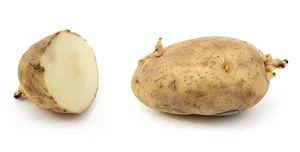
Potato
Fries, mash, chips, baked, roasted, hash browns. The potato has more legitimate forms than most vegetables have uses, and somehow it's good in basically all of them. Hard to argue it belongs anywhere but the top.
About Potato
A starchy tuber native to South America, now a staple crop worldwide in countless preparations.
- Type
- Tuber
- Origin
- South America
AA Tier: Genuinely great
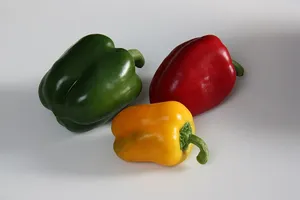
Bell pepper
Crunchy raw, sweet when roasted, and it comes in enough colors to make a produce display look like a flag. Stir-fries and fajitas would be noticeably sadder without it.
About Bell pepper
A sweet pepper that comes in multiple colors, eaten raw or cooked in a wide range of dishes.
- Type
- Fruit (culinary vegetable)
- Colors
- Green, red, yellow, orange
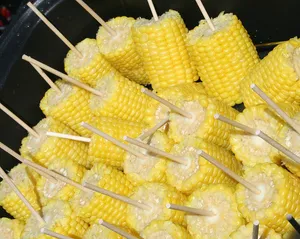
Corn
Grilled with butter in summer is one of the simple pleasures of the year. Also sneaks into chowders, salads and tortillas, which is a lot of range for something most people eat straight off the cob.
About Corn
A cereal grain eaten as a vegetable, grilled, boiled, or used in dishes like chowder and tortillas.
- Type
- Grain (culinary vegetable)
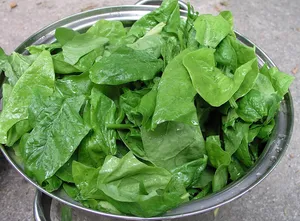
Spinach
Cooks down to almost nothing but brings iron, color and a mild earthiness that works in everything from saag paneer to a quick saute with eggs. The Popeye reputation undersells how good it actually tastes.
About Spinach
A leafy green vegetable eaten raw in salads or cooked down in dishes like saag and creamed spinach.
- Type
- Leafy green
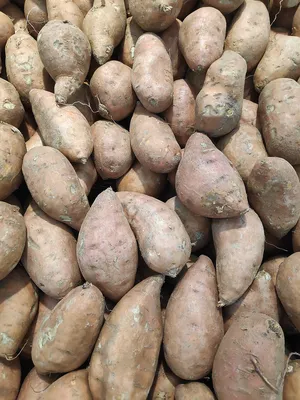
Sweet potato
Sweeter and arguably more interesting than its regular cousin, and it holds its own in fries, mash, or just split open with butter. Thanksgiving casserole traditionalists will fight for it, and honestly they're right to.
About Sweet potato
A starchy, sweet root vegetable often confused with yams, used in fries, mash and casseroles.
- Type
- Root vegetable
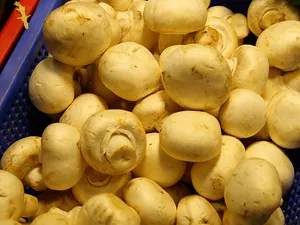
Mushroom
Botanically not a vegetable at all, but nobody's letting that stop its invite to the list. Umami bomb in risottos, burgers and stir-fries, and the texture when seared properly is close to meat.
About Mushroom
A fungus, not a plant, commonly grouped with vegetables and valued for its umami flavor and meaty texture.
- Type
- Fungus
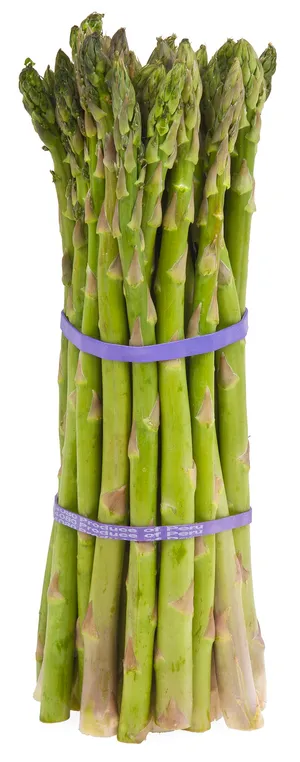
Asparagus
Roasted with olive oil and a squeeze of lemon, this is a genuinely great vegetable, not just a spring vegetable. Yes, it has a famous side effect on your bathroom trip. No, that doesn't change the ranking.
About Asparagus
A spring vegetable eaten as tender shoots, often roasted, grilled or steamed.
- Type
- Shoot vegetable
- Season
- Spring
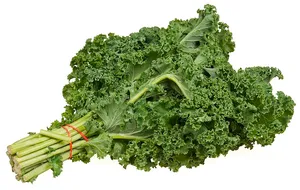
Kale
Got overhyped into a punchline during its superfood moment, but a massaged kale salad or kale crisped into chips earns its spot without needing a health halo.
About Kale
A hardy leafy green known for its slightly bitter flavor, often used in salads, chips and sautes.
- Type
- Leafy green
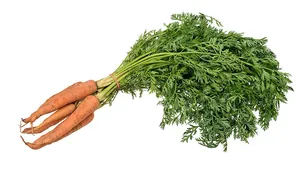
Carrot
Snackable raw, sweet when roasted, essential in stocks and stews. Not flashy, but it's the reliable teammate that makes everything around it better, and that counts for a lot.
About Carrot
A root vegetable usually orange in color, eaten raw, roasted, or used as a base for stocks and stews.
- Type
- Root vegetable
- Common colors
- Orange, purple, yellow
BB Tier: Solid and dependable
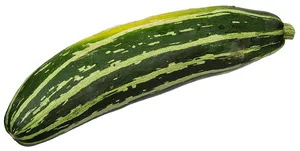
Zucchini
Soaks up whatever flavor you throw at it, which is a strength in a ratatouille and a weakness when someone serves it bland and watery. Zucchini bread is underrated, plain boiled zucchini is not.
About Zucchini
A summer squash with mild flavor, used in baking, grilling, and dishes like ratatouille.
- Type
- Summer squash
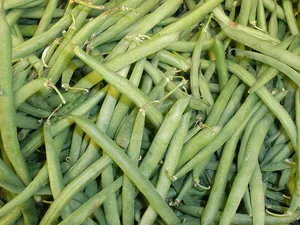
Green beans
Solid, dependable, shows up at every holiday table usually under a layer of fried onions. Good blistered in a hot pan, forgettable boiled into mush.
About Green beans
The unripe pods of the common bean plant, usually steamed, boiled or stir-fried.
- Type
- Legume
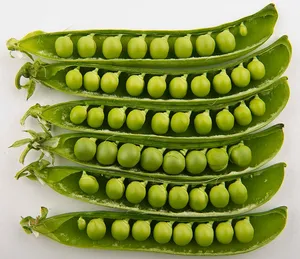
Peas
Sweet, bright green, and better fresh or frozen-fresh than the gray canned version that gave them a bad name for a generation. A handful tossed into risotto or fried rice does real work.
About Peas
Small round seeds from the pea plant, eaten fresh, frozen or dried in dishes worldwide.
- Type
- Legume
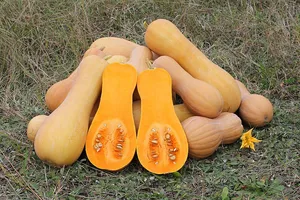
Butternut squash
Roasts into something close to candy and makes a soup that tastes fancier than the effort it actually takes. Peeling it is the only real downside.
About Butternut squash
A sweet winter squash with a tan exterior and orange flesh, popular roasted or pureed into soup.
- Type
- Winter squash
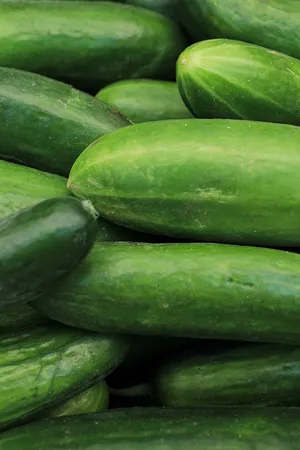
Cucumber
Refreshing, watery, basically the vegetable equivalent of a palate cleanser. Great in a salad or tzatziki, not going to win any flavor awards on its own.
About Cucumber
A crisp, watery vegetable eaten raw in salads, pickled, or used in cooling dishes like tzatziki.
- Type
- Fruit (culinary vegetable)
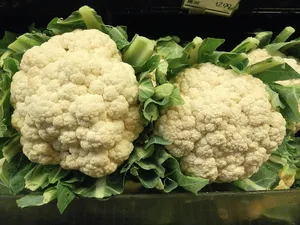
Cauliflower
Had a real glow-up as a low-carb rice and pizza crust substitute, and roasted cauliflower with a good char and some spice is legitimately great. Steamed plain, it's a different story.
About Cauliflower
A cruciferous vegetable with a dense white head, popular roasted, riced, or used as a pizza crust base.
- Type
- Cruciferous vegetable
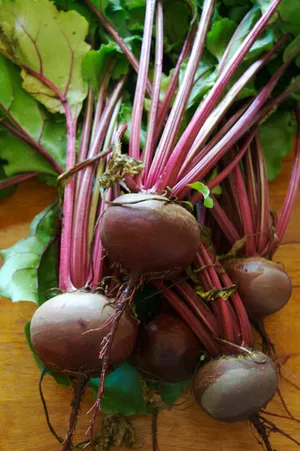
Beet
Earthy, sweet, and stains everything it touches including your cutting board. People seem to either build salads around it or actively avoid it, not much middle ground.
About Beet
An earthy, sweet root vegetable known for its deep red color, also used in juices and pickles.
- Type
- Root vegetable
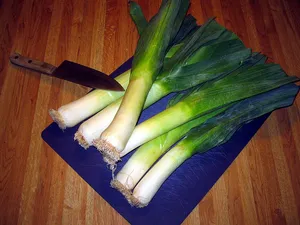
Leek
The milder, classier cousin of the onion, mostly famous for potato leek soup. Underused outside of that, but when it shows up it adds a quiet sweetness onion can't quite match.
About Leek
A mild member of the allium family, often used in soups like potato leek soup.
- Type
- Allium vegetable
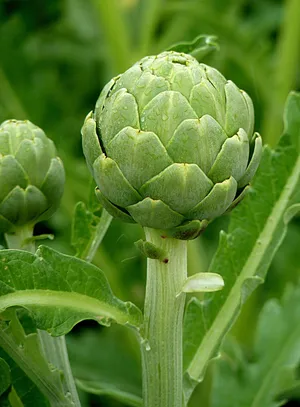
Artichoke
A genuine project to eat, all that scraping and dipping for a payoff at the heart. Worth it in a good spinach artichoke dip, less worth it when you're the one steaming the whole thing.
About Artichoke
A thistle plant whose flower bud is eaten for its tender heart, usually steamed or boiled.
- Type
- Flower bud vegetable
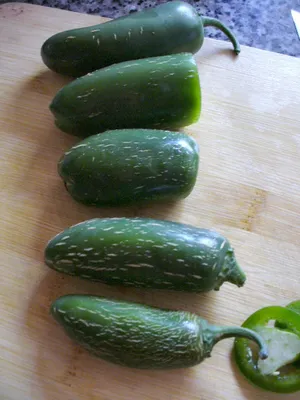
Jalapeño
Brings heat without overwhelming a dish, and it's just as good pickled on nachos as it is stuffed and wrapped in bacon. Deserves more credit than just being the "spicy one."
About Jalapeño
A medium-heat pepper used fresh, pickled or stuffed in a wide range of dishes.
- Type
- Pepper
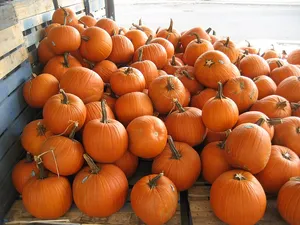
Pumpkin
Does more work as a flavor and a decoration each October than it does as an actual vegetable most of the year. Great in a pie, fine in a soup, rarely eaten the rest of the calendar.
About Pumpkin
A large winter squash associated with autumn, used in pies, soups and roasted dishes.
- Type
- Winter squash
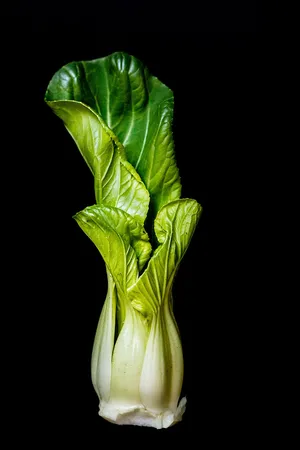
Bok choy
A stir-fry workhorse that cooks fast and brings a nice bitter-sweet crunch at the stem. Deserves more attention outside Asian cooking than it usually gets.
About Bok choy
A Chinese cabbage with crunchy stems and tender leaves, common in stir-fries.
- Type
- Leafy green
CC Tier: Fine, but rarely the star
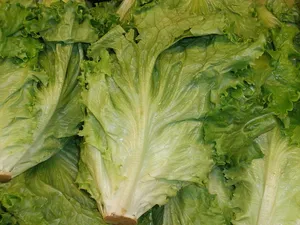
Lettuce
Does its job as a crunchy, watery vehicle for dressing and whatever's piled on top, and that's about it. Romaine and butter lettuce at least have some texture; iceberg mostly just takes up space.
About Lettuce
A leafy vegetable grown mainly for salads and as a base for sandwiches and wraps.
- Type
- Leafy green
- Common varieties
- Iceberg, romaine, butter
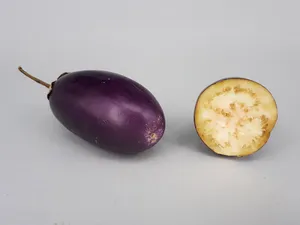
Eggplant
Capable of greatness in baba ganoush or a good parmigiana, but just as capable of turning into a spongy, bitter mess if you don't salt and cook it right. High variance vegetable.
About Eggplant
A purple-skinned vegetable with spongy flesh, used in dishes like baba ganoush and parmigiana.
- Type
- Fruit (culinary vegetable)
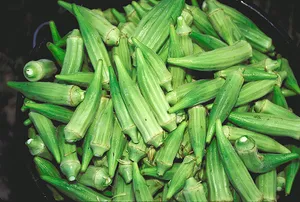
Okra
People genuinely split on this one and we're siding with the skeptics here: the slime factor when it's boiled or stewed turns a lot of people off before the flavor even registers. Fried okra is a different, better story.
About Okra
A green pod vegetable known for becoming mucilaginous when cooked in liquid, popular in Southern and West African cooking.
- Type
- Pod vegetable
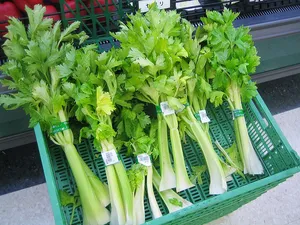
Celery
Mostly exists as a vessel for peanut butter or a crunchy backbone for soup stock, rarely the main event. Low calorie, lower excitement, though it does its supporting role fine.
About Celery
A crunchy stalk vegetable often used as a base for stocks or eaten raw with dips.
- Type
- Stalk vegetable
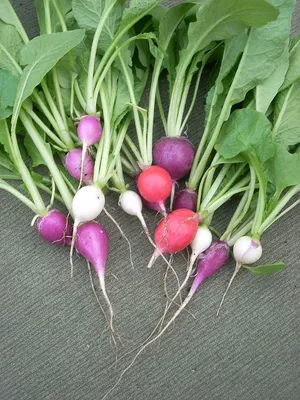
Radish
A sharp, peppery bite that works thin-sliced on toast or tossed in a salad, but a little goes a long way and most people don't know what else to do with it.
About Radish
A small, peppery root vegetable often eaten raw in salads or thin-sliced on toast.
- Type
- Root vegetable
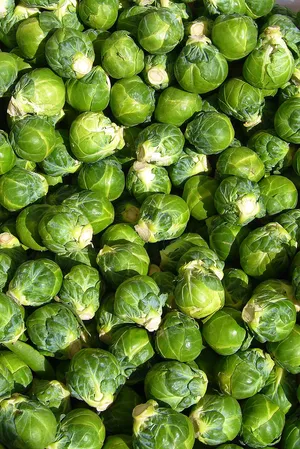
Brussels sprouts
Went from most-hated-vegetable punchline to trendy roasted-with-bacon menu item, which is a real redemption arc. Still divisive at the family table if anyone overcooks them into bitterness, which happens a lot.
About Brussels sprouts
Small cabbage-like buds grown on a stalk, often roasted to bring out a caramelized sweetness.
- Type
- Cruciferous vegetable
DD Tier: Forgettable at best
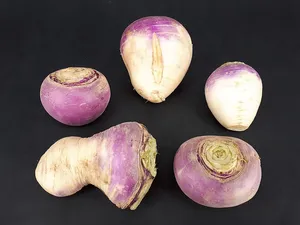
Turnip
Peppery, a bit bitter, and mostly shows up in stews when nobody had anything more interesting on hand. Rarely the vegetable anyone's excited to see on the plate.
About Turnip
A root vegetable with a peppery, slightly bitter flavor, often used in stews.
- Type
- Root vegetable
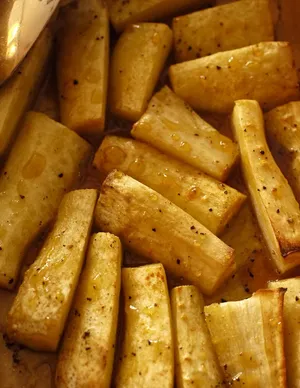
Parsnip
Looks like an albino carrot and tastes like a milder, more one-note version of one. Fine mashed with potatoes, forgettable on its own, and most people couldn't pick it out of a lineup.
About Parsnip
A pale root vegetable related to the carrot, with a mild, slightly sweet flavor often brought out by roasting.
- Type
- Root vegetable
How we ranked them
We weighed versatility (can it anchor a dish or just support one), flavor payoff, how fans and cooks actually talk about it online, and how often it gets recipes built around it versus tossed in as filler. Texture and smell complaints counted against items, cult followings counted for them. Where opinion splits hard (okra, beets, celery) we picked a side and said so.
Think we got it wrong?
Drag all 32 vegetables into your own tier list, then download the image or share a link.
Rank these yourselfFAQ
What is the most versatile vegetable?
Onion and potato are the strongest contenders. Both anchor dishes across nearly every world cuisine and work in dozens of preparations, from raw to roasted to pureed.
Is tomato actually a vegetable?
Botanically it's a fruit, since it develops from a flower and contains seeds. Culinarily and in most rankings like this one, it's treated as a vegetable because of how it's used in savory cooking.
Why is Brussels sprouts ranked higher than expected?
Brussels sprouts used to be the classic hated vegetable, often from being boiled into mush. Roasted with high heat, they caramelize nicely, and that's shifted a lot of fan opinion in their favor.
What's the most divisive vegetable on this list?
Okra and beets both split opinion hard. Okra's texture when stewed or boiled turns a lot of people off, while beets' earthy sweetness is something you either love or actively avoid.
Is mushroom really a vegetable?
No, mushrooms are fungi, not plants. They're grouped with vegetables in cooking and shopping, though, so we included them here the way most food rankings do.
More rankings
Image credits
- GarlicPhoto: Dubravko Sorić SoraZG on Flickr, CC BY 2.0 (Wikimedia Commons) · License · Source
- OnionPhoto: Colin, CC BY-SA 3.0 (Wikimedia Commons) · License · Source
- TomatoPhoto: Softeis, CC BY-SA 3.0 (Wikimedia Commons) · License · Source
- PotatoPhoto: ZooFari, Public domain (Wikimedia Commons) · Source
- Bell pepperPhoto: Kham Tran - www.khamtran.com, CC BY-SA 3.0 (Wikimedia Commons) · License · Source
- CornPhoto: Jonathunder, CC BY-SA 3.0 (Wikimedia Commons) · License · Source
- SpinachPhoto: Nillerdk, CC BY 3.0 (Wikimedia Commons) · License · Source
- Sweet potatoPhoto: Gaurav Dhwaj Khadka, CC BY-SA 4.0 (Wikimedia Commons) · License · Source
- MushroomPhoto: Peachyeung316, CC BY-SA 4.0 (Wikimedia Commons) · License · Source
- AsparagusPhoto: Evan-Amos, CC BY-SA 3.0 (Wikimedia Commons) · License · Source
- KalePhoto: Evan-Amos, CC0 (Wikimedia Commons) · License · Source
- CarrotPhoto: Evan-Amos, Public domain (Wikimedia Commons) · Source
- ZucchiniPhoto: Evan-Amos, Public domain (Wikimedia Commons) · Source
- Green beansPhoto: Jeffery Martin, CC0 (Wikimedia Commons) · License · Source
- PeasPhoto: Bill Ebbesen, CC BY-SA 3.0 (Wikimedia Commons) · License · Source
- Butternut squashPhoto: George Chernilevsky, Public domain (Wikimedia Commons) · Source
- CucumberPhoto: Jason Zhang, CC BY-SA 3.0 (Wikimedia Commons) · License · Source
- CauliflowerPhoto: Jeffery Martin, CC0 (Wikimedia Commons) · License · Source
- BeetPhoto: BriannaWalther, CC BY-SA 3.0 (Wikimedia Commons) · License · Source
- LeekPhoto: Karen and Brad Emerson, CC BY 2.0 (Wikimedia Commons) · License · Source
- ArtichokePhoto: Jamain, CC BY-SA 3.0 (Wikimedia Commons) · License · Source
- JalapeñoPhoto: Auno3 at English Wikipedia, Public domain (Wikimedia Commons) · Source
- PumpkinPhoto: Infrogmation of New Orleans, CC BY-SA 3.0 (Wikimedia Commons) · License · Source
- Bok choyPhoto: spurekar, CC BY 2.0 (Wikimedia Commons) · License · Source
- LettucePhoto: Jeffery Martin, CC0 (Wikimedia Commons) · License · Source
- EggplantPhoto: Fructibus, CC0 (Wikimedia Commons) · License · Source
- OkraPhoto: Bill Tarpenning, Public domain (Wikimedia Commons) · Source
- CeleryPhoto: Lombroso, Public domain (Wikimedia Commons) · Source
- RadishPhoto: Self, en:User:Jengod, Public domain (Wikimedia Commons) · Source
- Brussels sproutsPhoto: Eric Hunt, CC BY 2.5 (Wikimedia Commons) · License · Source
- TurnipPhoto: Fructibus, CC0 (Wikimedia Commons) · License · Source
- ParsnipPhoto: Takeaway, CC BY-SA 3.0 (Wikimedia Commons) · License · Source