




Sodas Tier List: Every Major Soft Drink Ranked
Twenty-four sodas, one big argument. We're ranking the classics, the regional cult favorites, and a few drinks that probably shouldn't have made it this far, based on taste, loyalty, and how often people actually reach for them in the cooler.
This list leans on what shows up again and again in soda forums, taste tests, and regional rivalries (looking at you, Cheerwine fans), plus our own calls when the internet can't agree. Argue with it, that's the point. Make your own list if you think we got the Mountain Dew slot wrong.
The tier list
The community’s tier list fills in as members vote. It appears once 5 members have ranked or voted on these.
Think you can rank them better?
Make your own tier listFree account. Your ranking stays private unless you share it, and it counts toward the community tier list.Vote
SS Tier: The all-timers
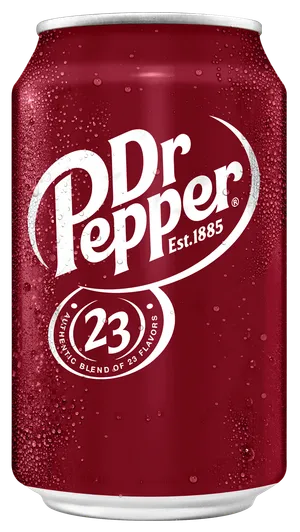
Dr Pepper
Twenty-three flavors and somehow none of them fight each other. It's the soda that tastes like a mystery you stopped trying to solve and just started enjoying. No real competitor has ever matched it, which is why imitators keep failing.
About Dr Pepper
A blend of 23 flavors first served in Waco, Texas, known for a taste that's hard to pin down to any single fruit.
- Origin
- Waco, Texas
- Introduced
- 1885
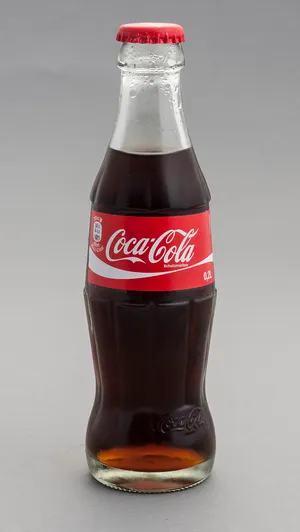
Coca-Cola
The benchmark. Every other cola on this list gets judged against it whether that's fair or not. The real sugar version from Mexico or with cane sugar gets extra praise in every forum thread, but even the standard stuff still holds the throne.
About Coca-Cola
The original cola, created in Atlanta in the 1880s and now one of the most recognized brands on the planet.
- Origin
- Atlanta, Georgia
- Introduced
- 1886
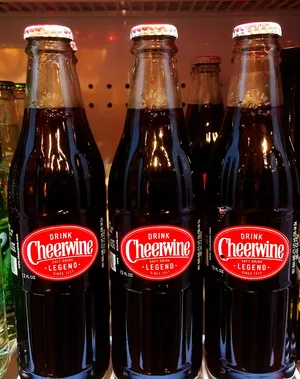
Cheerwine
A Carolina secret that deserves to be a national treasure. Cherry soda with actual backbone instead of candy sweetness, and the kind of fan loyalty that makes people drive out of their way to stock up on it.
About Cheerwine
A cherry soda from Salisbury, North Carolina, with a devoted regional fanbase and over a century of history.
- Origin
- Salisbury, North Carolina
- Introduced
- 1917
AA Tier: Excellent, no complaints
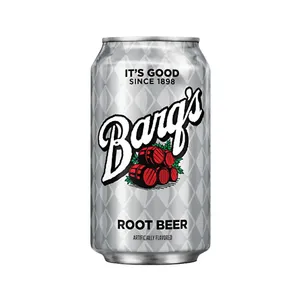
Barq's Root Beer
Has caffeine, which root beer purists either love or consider a crime. Sharper and bitier than most root beers, with a bite that keeps it from turning into liquid vanilla cake.
About Barq's Root Beer
A root beer from Louisiana notable for containing caffeine, unlike most root beers.
- Origin
- Louisiana
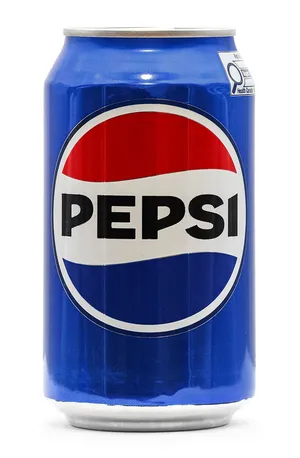
Pepsi
Sweeter and punchier than Coke, which is exactly why some people will defend it to the death. The Pepsi Challenge wasn't a myth, blind taste tests really do tip Pepsi's way more often than Coke loyalists want to admit.
About Pepsi
Coca-Cola's longtime rival, created in North Carolina and known for a sweeter flavor profile.
- Origin
- New Bern, North Carolina
Mountain Dew
Basically a neon energy drink that happens to be a soda. The citrus bite under all that sugar keeps it from being one-note, and it's the rare soda that tastes exactly as aggressive as its branding promises.
About Mountain Dew
A citrus-forward, highly caffeinated soda originally from Tennessee, now owned by PepsiCo.
- Origin
- Tennessee
Sprite
The best lemon-lime soda, full stop, and the one rappers actually name-dropped for a reason. Clean, crisp, and it cuts through greasy food better than almost anything else on this list.
About Sprite
Coca-Cola's lemon-lime soda, launched as a response to 7 Up and now a global staple.
- Introduced
- 1961
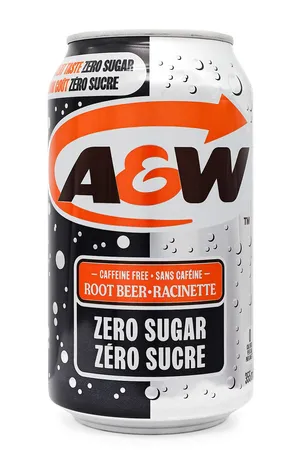
A&W Root Beer
Creamier and sweeter than Barq's, no caffeine, built for floats. If root beer had a mascot that felt like summer, this is it, and the frosty mug branding isn't an accident.
About A&W Root Beer
One of the oldest root beer brands in the US, tied closely to the A&W drive-in restaurant chain.
- Introduced
- 1919
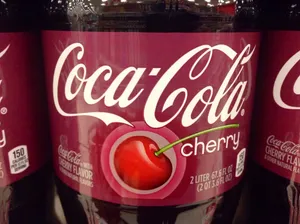
Cherry Coke
Coke with just enough cherry to feel like a different drink, not a gimmick. It walks the line between novelty and staple better than most flavored colas manage.
About Cherry Coke
Cherry Coke is a cherry-flavored version of Coca-Cola, launched in 1985 as the first new flavor variant of the original Coca-Cola formula. It is produced by The Coca-Cola Company and later rebranded in some markets as Coca-Cola Cherry.
- Owner
- The Coca-Cola Company
- Launched
- 1985
- Flavor
- Cherry cola
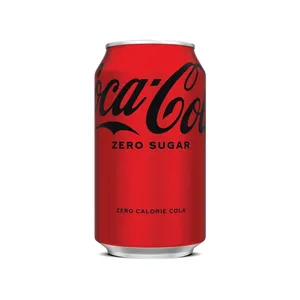
Coca-Cola Zero Sugar
The diet cola that finally tastes close enough to the real thing that people stopped apologizing for drinking it. A genuine reformulation win, not just a marketing refresh.
About Coca-Cola Zero Sugar
Coca-Cola Zero Sugar is a no-calorie cola made by The Coca-Cola Company, designed to taste closer to original Coca-Cola than Diet Coke. It launched in 2005 as Coca-Cola Zero and was reformulated and renamed Zero Sugar in 2017.
- Owner
- The Coca-Cola Company
- Launched
- 2005
- Renamed
- 2017
BB Tier: Solidly good, rarely great
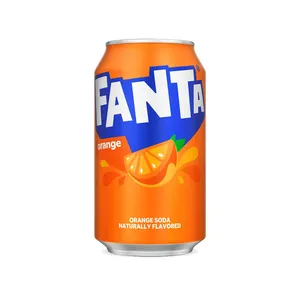
Fanta Orange
Bright, fun, a little artificial-tasting in the best way. It's the soda equivalent of a carnival, great in the moment, not something you build a routine around.
About Fanta Orange
An orange soda originally developed in Germany in the 1940s, now owned by Coca-Cola.
- Introduced
- 1940s
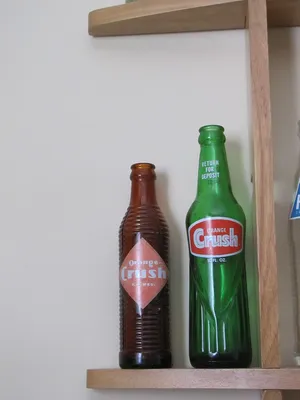
Crush
Orange Crush's fizzier, slightly sweeter cousin to Fanta, with a loyal grape version too. Solid, dependable, rarely anyone's favorite but nobody turns it down.
About Crush
Crush is a fruit-flavored soda brand best known for its orange variety, with roots tracing back to Orange Crush created in California in the early 20th century. It is now owned by Keurig Dr Pepper and sold in numerous fruit flavors worldwide.
- Owner
- Keurig Dr Pepper
- Known for
- Orange Crush
- Origin
- Early 1900s, California
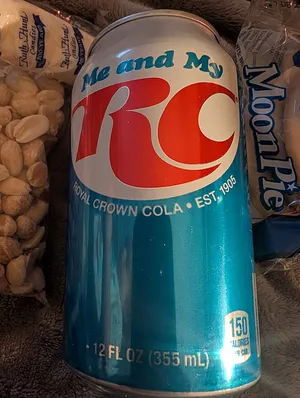
RC Cola
The cola that quietly does everything right and gets credit for almost none of it. Southern diners and barbecue joints keep it alive, and the Moon Pie pairing is a real tradition, not a gimmick.
About RC Cola
A cola from Georgia with a strong following in the American South, often paired with Moon Pies.
- Origin
- Georgia
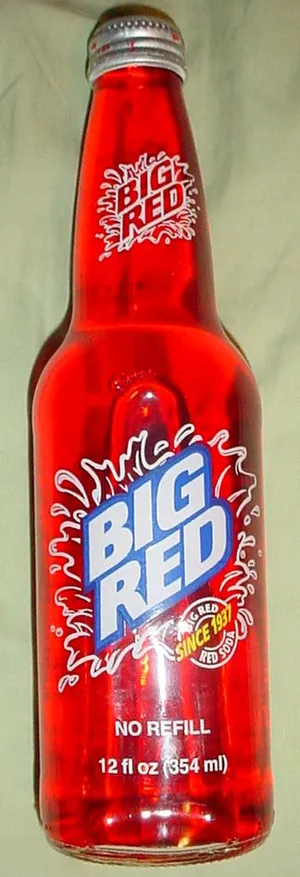
Big Red
Bubblegum-cream-soda energy that Texas built a whole identity around. Either you grew up with it and love it unconditionally, or you taste it once and wonder what just happened.
About Big Red
A bright red, bubblegum-cream flavored soda from Texas with a strong regional following.
- Origin
- Waco, Texas
Mug Root Beer
Smoother and more vanilla-forward than Barq's, less iconic [CHECK unique word] than A&W, sitting comfortably in the middle of the root beer pack. A fine float base, rarely anyone's first choice.
About Mug Root Beer
Mug Root Beer is a root beer brand owned by PepsiCo, known for its mascot Mugsy the bulldog. It originated in California in the 1940s before being acquired by PepsiCo in 1986.
- Owner
- PepsiCo
- Acquired by PepsiCo
- 1986
- Flavor
- Root beer
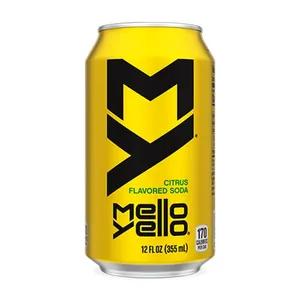
Mello Yello
Mountain Dew's laid-back sibling, less aggressive citrus, more syrupy sweetness. It never built the same cult following, but NASCAR fans and old-school Southern drinkers still keep it in rotation.
About Mello Yello
Mello Yello is a citrus-flavored soda produced by The Coca-Cola Company, introduced in 1979 to compete with Mountain Dew. It has a sweeter, more citrus-forward taste than its main rival.
- Owner
- The Coca-Cola Company
- Introduced
- 1979
- Flavor
- Citrus
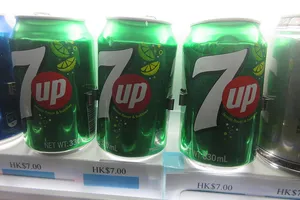
7 Up
Lighter and less citrusy than Sprite, which is either refreshing or forgettable depending who you ask. The classic ginger ale pairing in flat form (for upset stomachs) is half the reason it's still around.
About 7 Up
7 Up is a lemon-lime soda first introduced in 1929, originally formulated by Charles Leiper Grigg in St. Louis. It is currently owned by Keurig Dr Pepper in the United States and by PepsiCo internationally.
- Introduced
- 1929
- US owner
- Keurig Dr Pepper
- Flavor
- Lemon-lime
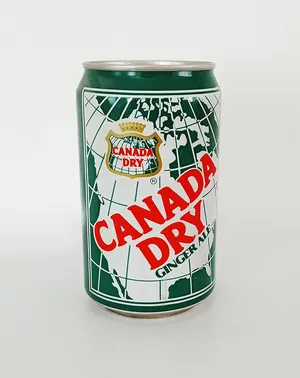
Canada Dry Ginger Ale
Barely counts as ginger ale to purists who want real bite, but it's the one everyone's grandmother kept in the fridge. Great as a mixer, a little shy as a standalone drink.
About Canada Dry Ginger Ale
Canada Dry is a ginger ale brand originally created in Canada in 1904 by pharmacist John J. McLaughlin, marketed as a 'pale dry' style ginger ale. It is now owned by Keurig Dr Pepper and is one of the best-known ginger ale brands in North America.
- Owner
- Keurig Dr Pepper
- Created
- 1904
- Origin
- Canada
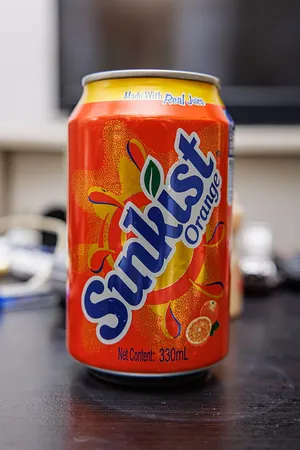
Sunkist
Fanta's American rival, slightly less sweet, slightly more citrus-forward. It never quite escaped the shadow of the fruit brand it's named after.
About Sunkist
Sunkist is an orange-flavored soda licensed from the Sunkist Growers citrus cooperative, produced by Keurig Dr Pepper. It launched in 1979 and is positioned as a competitor to Fanta and Crush in the orange soda market.
- Owner
- Keurig Dr Pepper
- Launched
- 1979
- Flavor
- Orange
CC Tier: Fine, but forgettable
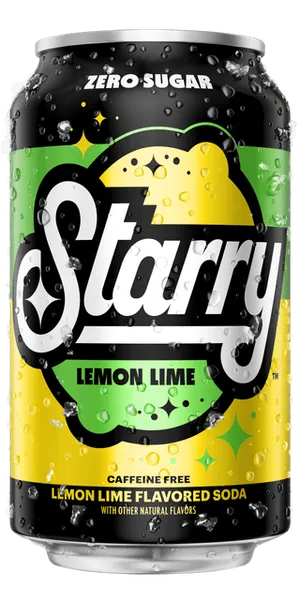
Starry
PepsiCo's answer to Sprite, launched to replace Sierra Mist in their lineup. Perfectly fine, perfectly unmemorable, the soda equivalent of a placeholder.
About Starry
Starry is a lemon-lime soda launched by PepsiCo in 2023, created as a replacement for Sierra Mist. It competes directly with Sprite and 7 Up in the lemon-lime soda category.
- Owner
- PepsiCo
- Launched
- 2023
- Flavor
- Lemon-lime
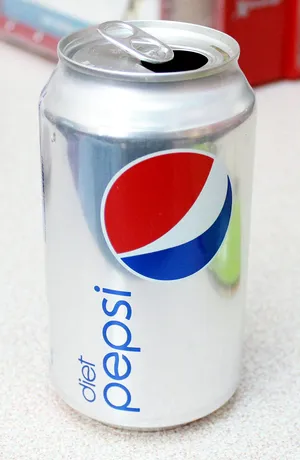
Diet Pepsi
Thinner and more artificial-tasting than Diet Coke to most palates, with a loyal but smaller fanbase. It does the job if Diet Coke isn't on the menu, rarely the first pick otherwise.
About Diet Pepsi
Diet Pepsi is the sugar-free version of Pepsi-Cola, introduced in 1964 as one of the first diet colas on the US market. It is produced by PepsiCo and sweetened with artificial sweeteners rather than sugar.
- Owner
- PepsiCo
- Introduced
- 1964
- Type
- Diet cola
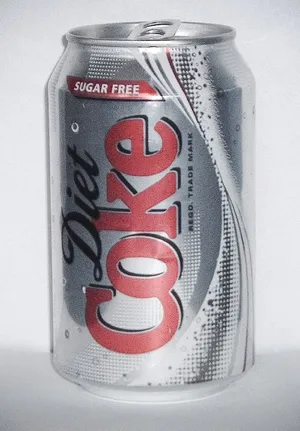
Diet Coke
Divisive by design, the sharp, almost metallic edge is either addictive or a dealbreaker. Huge cult following, but plenty of people genuinely can't stand the aftertaste, and that split keeps it out of the top tiers.
About Diet Coke
Diet Coke is a low-calorie cola introduced by The Coca-Cola Company in 1982, notable for using a different formula from Coca-Cola rather than just removing sugar from the original recipe. It became one of the most popular diet sodas worldwide.
- Owner
- The Coca-Cola Company
- Introduced
- 1982
- Type
- Diet cola
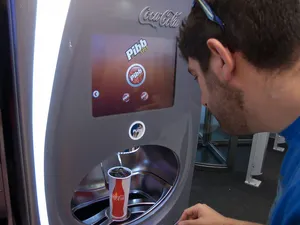
Pibb Xtra
Dr Pepper's spicier, muddier cousin that always ends up compared unfavorably to the original. Mostly survives as a fountain drink at Moe's or when the real thing is out of stock.
About Pibb Xtra
Pibb Xtra is a spicy, cherry-flavored soda made by The Coca-Cola Company, originally introduced in the 1970s as Mr. Pibb to compete with Dr Pepper. It was rebranded as Pibb Xtra in 2001 with a bolder flavor profile.
- Owner
- The Coca-Cola Company
- Original name
- Mr. Pibb
- Rebranded
- 2001
DD Tier: An acquired taste
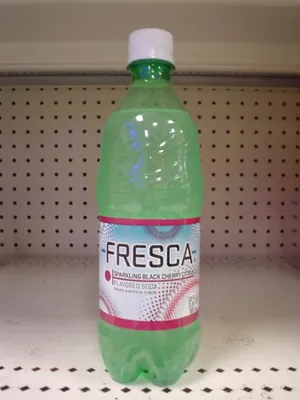
Fresca
Grapefruit soda with a bitter edge that's an acquired taste even among soda fans. Devoted older drinkers keep it going, but it rarely wins over anyone new.
About Fresca
A grapefruit-flavored, caffeine-free soda introduced by Coca-Cola in the 1960s.
- Introduced
- 1966
How we ranked them
We weighed taste and balance first: does it taste like something or just like sugar and fizz? Then cultural weight (how much people actually love or defend it), versatility (mixer, float, nostalgia trigger), and how it holds up against its own diet or flavor variants. Regional cult favorites got credit for punching above their distribution footprint.
Think we got it wrong?
Drag all 24 sodas into your own tier list, then download the image or share a link.
Rank these yourselfFAQ
What's the best-tasting soda overall?
Dr Pepper and Coca-Cola top most consensus rankings, with Cheerwine as the cult favorite that regularly surprises people once they try it.
Is Pepsi better than Coke?
Blind taste tests often favor Pepsi's sweeter profile, but Coca-Cola wins on brand loyalty and overall consensus, it's close and genuinely divides fans.
Which root beer is the best: A&W, Barq's, or Mug?
A&W is the classic creamy choice, Barq's stands out for its caffeine and sharper bite, and Mug sits comfortably as the smooth, reliable middle option.
Why is Diet Coke ranked lower than Coca-Cola Zero Sugar?
Diet Coke has a distinct, sharper flavor that divides people hard, while Zero Sugar was built to taste closer to the original and wins over more casual drinkers.
Is Cheerwine easy to find outside the Carolinas?
It's expanded over the years but still has a regional identity, which is part of why its fans are so loyal.
More rankings
Image credits
- Dr PepperPhoto: CF496233, CC BY 4.0 (Wikimedia Commons) · License · Source
- Coca-ColaPhoto: Ralf Roletschek, Public domain (Wikimedia Commons) · Source
- CheerwinePhoto: F Delventhal, CC BY 2.0 (Wikimedia Commons) · License · Source
- Barq's Root BeerImage: coca-cola.com, © The Coca-Cola Company (Barq's) · Source
- PepsiPhoto: Chris Woodrich, Public domain (Wikimedia Commons) · Source
- Mountain DewPhoto: Connor J Williams, CC BY 2.0 (Wikimedia Commons) · License · Source
- SpritePhoto: Connor J Williams, CC BY 2.0 (Wikimedia Commons) · License · Source
- A&W Root BeerPhoto: Chris Woodrich, Public domain (Wikimedia Commons) · Source
- Cherry CokePhoto: JeepersMedia, CC BY 2.0 (via Openverse) · License · Source
- Coca-Cola Zero SugarImage: coca-cola.com, © The Coca-Cola Company · Source
- Fanta OrangeImage: coca-cola.com, © The Coca-Cola Company / Fanta · Source
- CrushPhoto: Lynette, CC BY 2.0 (Wikimedia Commons) · License · Source
- RC ColaPhoto: Hevr000, CC BY-SA 4.0 (Wikimedia Commons) · License · Source
- Big RedPhoto: User:Surachit, CC BY-SA 2.5 (Wikimedia Commons) · License · Source
- Mug Root BeerLogo: Wikipedia · Source
- Mello YelloImage: coca-cola.com, © Coca-Cola · Source
- 7 UpPhoto: Gee KongLawm, CC BY-SA 4.0 (Wikimedia Commons) · License · Source
- Canada Dry Ginger AlePhoto: Fmvh, CC BY-SA 4.0 (Wikimedia Commons) · License · Source
- SunkistPhoto: Dinkun Chen, CC BY-SA 4.0 (Wikimedia Commons) · License · Source
- StarryImage: starrylemonlime.com, © PepsiCo · Source
- Diet PepsiPhoto: Bradley Gordon, CC BY 2.0 (Wikimedia Commons) · License · Source
- Diet CokePhoto: Joe Anderson, CC BY-SA 2.0 (Wikimedia Commons) · License · Source
- Pibb XtraPhoto: Wendel F., CC BY 2.0 (via Openverse) · License · Source
- FrescaPhoto: en:User:Cokewww, Public domain (Wikimedia Commons) · Source