

















iPhone Models Tier List: Every iPhone Ranked
Eighteen years and dozens of models later, not every iPhone deserves the same spot in history. Some changed the game. Some were awkward transitions. A couple were straight up mistakes Apple quietly moved on from.
This list ranks every mainline iPhone, including the unreleased ones we've only seen in rumors and leaks so far, from the legendary to the forgettable. It's built on what fans and critics actually argue about on forums and in reviews, plus our own calls where the debate never really settled. Disagree? That's half the fun of a list like this. Rank them yourself and see where you land.
The tier list
The community’s tier list fills in as members vote. It appears once 5 members have ranked or voted on these.
Think you can rank them better?
Make your own tier listFree account. Your ranking stays private unless you share it, and it counts toward the community tier list.Vote
SS Tier: The legends
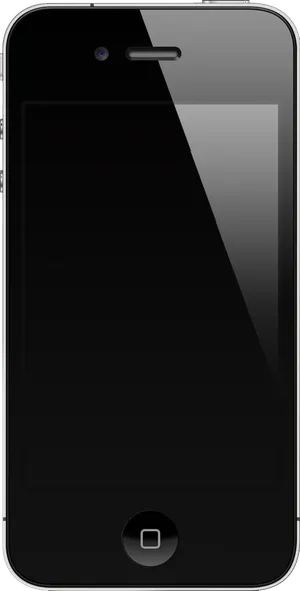
iPhone 4
Glass sandwich design, Retina display, FaceTime. This is the phone that made every other phone manufacturer panic. Antennagate was real, but it didn't stop this from being the most influential iPhone design ever made.
About iPhone 4
A 2010 redesign with a glass and steel body, known for the Retina display and FaceTime video calling. Also known for 'Antennagate', a signal issue tied to how you held it.
- Released
- 2010
- Notable
- Retina display, FaceTime
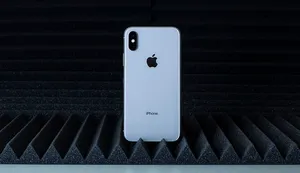
iPhone X
Killed the home button and introduced Face ID, and the entire industry followed within two years. The notch was controversial at the time, but this is the template every iPhone since has built on.
About iPhone X
Launched in 2017 for the iPhone's 10th anniversary, it removed the home button in favor of Face ID and an edge-to-edge OLED display.
- Released
- 2017
- Notable
- First Face ID iPhone
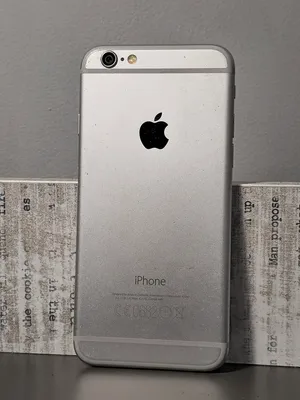
iPhone 6
Bigger screens, finally. Apple held out against phablets for years and then the 6 blew past every sales record it could find. Bendgate was a real headache, but nobody remembers that over how many units this thing sold.
About iPhone 6
A 2014 release that brought larger screens to the iPhone line for the first time, available in 4.7 and 5.5 inch sizes. Became one of Apple's best-selling models.
- Released
- 2014
- Notable
- First larger-screen iPhones
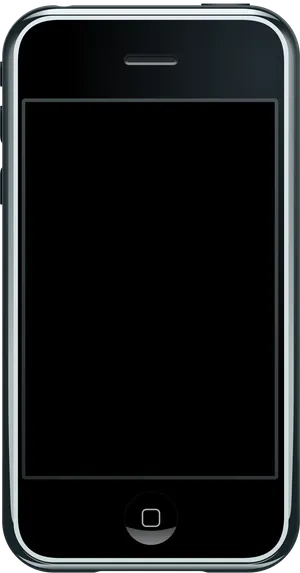
iPhone (original)
No App Store at launch, no copy-paste, no 3G. None of that matters. This is the phone that invented the category everyone else has been chasing since 2007.
About iPhone (original)
Released in 2007, this was the first iPhone and the device that created the modern smartphone category. It had no App Store and no 3G support at launch.
- Released
- 2007
- Notable
- First iPhone ever
AA Tier: Genuinely great
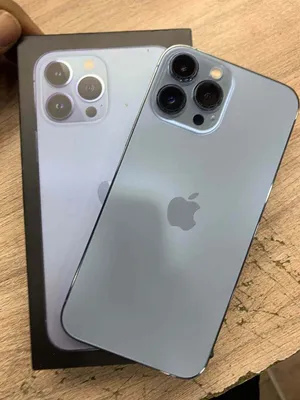
iPhone 13 Pro
120Hz ProMotion finally arrived, the cameras got genuinely pro-level, and battery life stopped being an apology. A lot of people still consider this peak Pro-era iPhone.
About iPhone 13 Pro
Apple's high-end smartphone from the 13th-generation lineup, known for its ProMotion display with adaptive refresh rate and improved cameras.
- Released
- 2021
- Chip
- A15 Bionic
- Notable
- First iPhone with ProMotion display
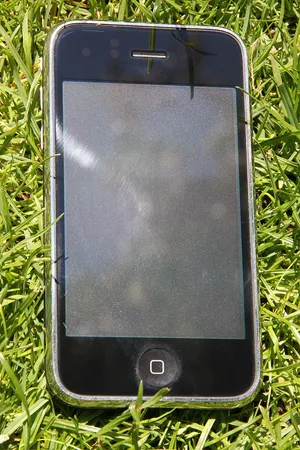
iPhone 3GS
Twice as fast, said Apple, and for once the tagline undersold it. Video recording and a real speed bump made this the phone that convinced holdouts to finally upgrade.
About iPhone 3GS
Released in 2009, the iPhone 3GS was Apple's first phone marketed with an 'S' for speed, offering better performance than the 3G along with video recording capability for the first time.
- Released
- 2009
- Display
- 3.5-inch display
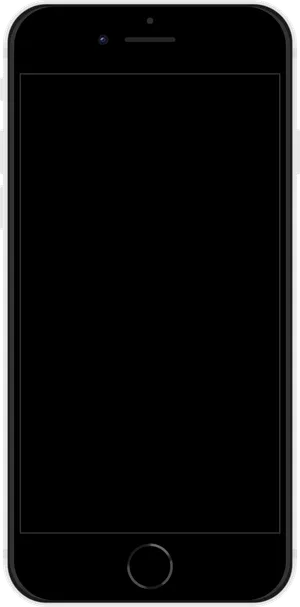
iPhone SE (2nd generation)
A4-chip-era body with flagship internals for a fraction of the price. The best value iPhone Apple has made, full stop, and the one you recommend to your budget-conscious relative.
About iPhone SE (2nd generation)
A budget iPhone from Apple that reused the iPhone 8 design while updating internals with a more powerful chip.
- Released
- 2020
- Chip
- A13 Bionic
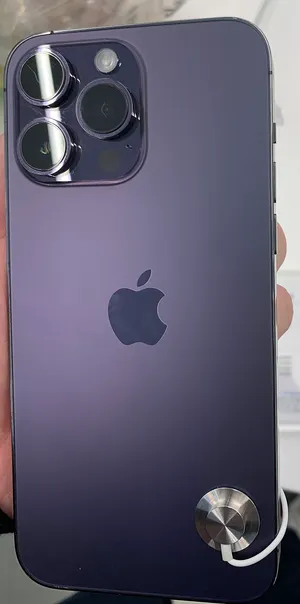
iPhone 14 Pro
The Dynamic Island turned a camera cutout into an actual feature, which is a magic trick most companies can't pull off. Always-on display and the 48MP sensor made this feel like a real leap, not an S-year filler.
About iPhone 14 Pro
A flagship iPhone from Apple that introduced the Dynamic Island and an always-on display, part of the 14th-generation lineup.
- Released
- 2022
- Chip
- A16 Bionic
- Notable
- Introduced Dynamic Island
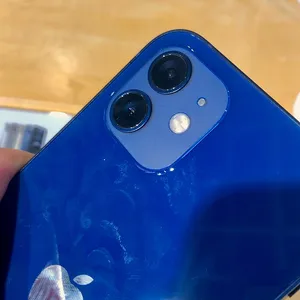
iPhone 12
Flat edges came back, 5G arrived, and MagSafe launched with it. Maybe the most well-rounded mainstream iPhone of the modern era, and the one most people held onto the longest.
About iPhone 12
The standard model in Apple's iPhone 12 lineup, bringing 5G connectivity and a redesigned flat-edge form factor to the mainstream iPhone.
- Released
- 2020
- Chip
- A14 Bionic
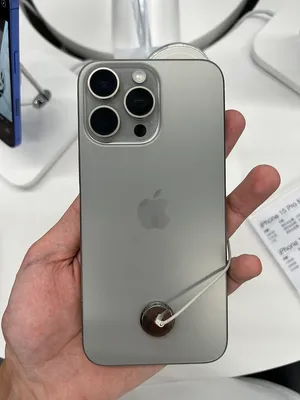
iPhone 15 Pro
Titanium frame, the Action Button, USB-C finally showing up system-wide. This is the phone that made the lightning-port holdouts stop complaining.
About iPhone 15 Pro
Apple's premium smartphone from the iPhone 15 lineup, notable for introducing a titanium frame and the USB-C port.
- Released
- 2023
- Chip
- A17 Pro
- Notable
- First iPhone with titanium frame
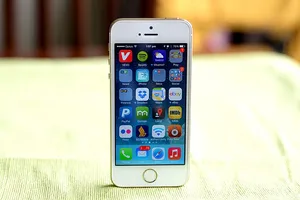
iPhone 5S
Touch ID changed how we unlock our phones and pay for things, quietly and permanently. Gold color option started a whole trend too.
About iPhone 5S
Released in 2013, the iPhone 5S was the first iPhone to include Touch ID fingerprint recognition and a 64-bit A7 chip. It set the template for iPhone design that would carry through several generations.
- Released
- 2013
- Chip
- A7
- Display
- 4-inch Retina LCD
BB Tier: Solid, dependable, a little unremarkable
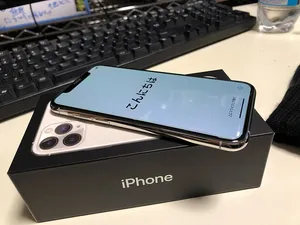
iPhone 11
The one everybody's mom bought. Ultra-wide camera was new and fun, pricing was reasonable, and it never tried to be flashy. Exactly what a mainstream phone should be.
About iPhone 11
Released in 2019 as Apple's mainstream successor to the iPhone XR, featuring a dual-camera system and the A13 Bionic chip. It became one of Apple's best-selling iPhones thanks to its balance of price and performance.
- Released
- 2019
- Chip
- A13 Bionic
- Display
- 6.1-inch Liquid Retina LCD
- Cameras
- Dual 12MP (wide and ultra-wide)
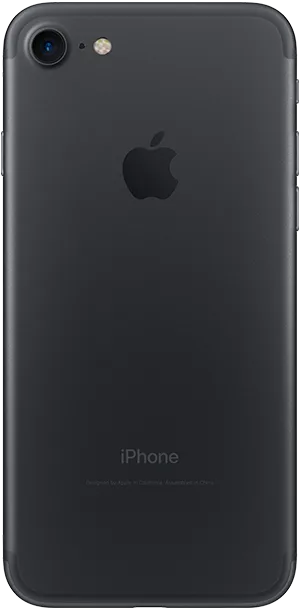
iPhone 7
Removed the headphone jack and the internet never fully forgave it, but the water resistance and camera upgrade were legitimately useful. Jet Black looked great and scratched if you breathed on it.
About iPhone 7
Released in 2016, the iPhone 7 introduced water resistance and removed the headphone jack for the first time, pushing Apple toward wireless audio with AirPods. It used the A10 Fusion chip and came in a new Jet Black finish.
- Released
- 2016
- Chip
- A10 Fusion
- Display
- 4.7-inch Retina LCD
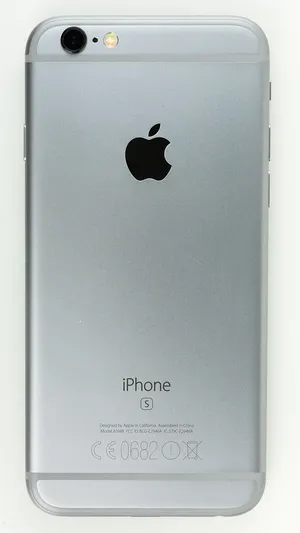
iPhone 6S
3D Touch was a feature nobody asked for and Apple eventually killed it, but under the hood this was a reliable, well-built phone that fixed the 6's bending problem.
About iPhone 6S
Released in 2015, the iPhone 6S introduced 3D Touch and used a stronger 7000 series aluminum body after bending complaints with the iPhone 6. It was powered by the A9 chip and brought Live Photos to the camera.
- Released
- 2015
- Chip
- A9
- Display
- 4.7-inch Retina LCD
iPhone 8
Came out the same day as the X and immediately looked like an afterthought. Still a perfectly good phone, wireless charging and all, just overshadowed by its own sibling.
About iPhone 8
Released in 2017 alongside the iPhone X, the iPhone 8 kept the classic Home button and Touch ID design while adding wireless charging and the A11 Bionic chip. It marked the final generation of Apple's traditional iPhone form factor before Face ID became standard.
- Released
- 2017
- Chip
- A11 Bionic
- Display
- 4.7-inch Retina LCD
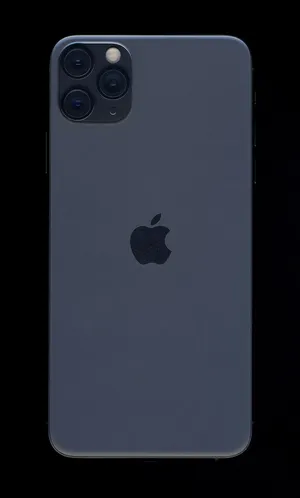
iPhone 11 Pro
Triple camera system arrived and night mode made low-light photos actually usable. Solid phone that mostly gets remembered as a stepping stone to the 12 Pro.
About iPhone 11 Pro
Apple's flagship smartphone from the 11th-generation lineup, introducing a triple-camera system to the Pro line for the first time.
- Released
- 2019
- Chip
- A13 Bionic
- Notable
- First iPhone with triple-camera system
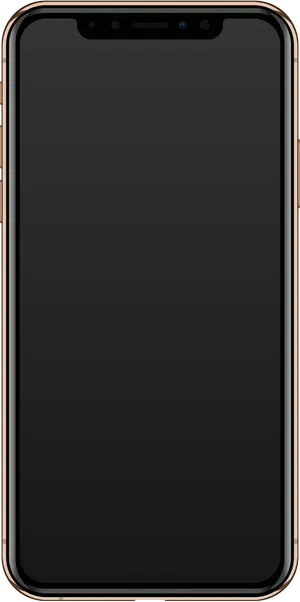
iPhone XS
An iterative, competent follow-up to the X with a better chip and camera. Didn't move anything forward dramatically but didn't need to.
About iPhone XS
Released in 2018 as a direct upgrade to the iPhone X, with a faster A12 Bionic chip and improved cameras. It kept the same OLED design and Face ID introduced by the iPhone X.
- Released
- 2018
- Chip
- A12 Bionic
- Display
- 5.8-inch Super Retina OLED
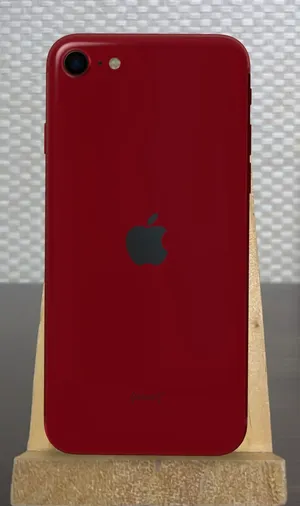
iPhone SE (3rd generation)
Same old design wrapped around a genuinely fast A15 chip. Great if you want modern performance in a shape you can still use with one hand, though the bezels feel ancient at this point.
About iPhone SE (3rd generation)
A budget iPhone from Apple that kept the compact design of the iPhone 8 while adding 5G support and a newer processor.
- Released
- 2022
- Chip
- A15 Bionic
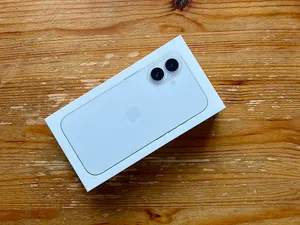
iPhone 16
The Camera Control button is a mixed bag depending on who you ask, but Apple Intelligence features and the A18 chip make this a dependable, forward-looking mainstream choice.
About iPhone 16
The standard model of Apple's 16th-generation iPhone lineup, offering mainstream features and the A18 chip.
- Released
- 2024
- Chip
- A18
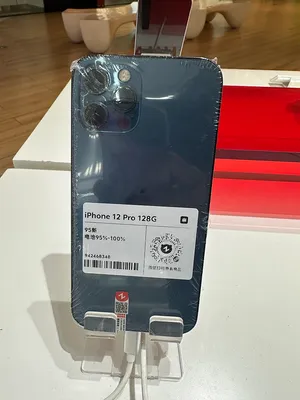
iPhone 12 Pro
LiDAR scanner was ahead of its time and barely got used by third-party apps. A good phone that mostly asked you to pay extra for camera upgrades you might not notice day to day.
About iPhone 12 Pro
A flagship iPhone from Apple's 12th-generation lineup, notable for introducing 5G support and a flat-edge design reminiscent of older iPhone models.
- Released
- 2020
- Chip
- A14 Bionic
- Notable
- First 5G iPhone
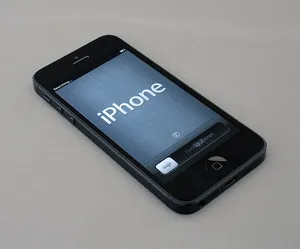
iPhone 5
Taller screen, lighter aluminum body, the first real redesign after the 4's glass era. Maps app launched broken alongside it and became its own meme for a while.
About iPhone 5
Released in 2012, the iPhone 5 introduced a taller 4-inch display and a lighter aluminum body, along with the Lightning connector replacing the older 30-pin dock connector. It was the first iPhone designed under this new thinner form factor.
- Released
- 2012
- Chip
- A6
- Display
- 4-inch Retina LCD
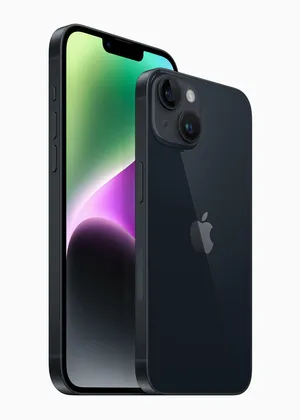
iPhone 14
Looked almost identical to the 13 and fans noticed. Satellite SOS was a genuinely new safety feature, but this generation felt like Apple coasting on the mainstream line.
About iPhone 14
The standard model of Apple's iPhone 14 generation, offering incremental camera and performance upgrades over its predecessor.
- Released
- 2022
- Chip
- A15 Bionic
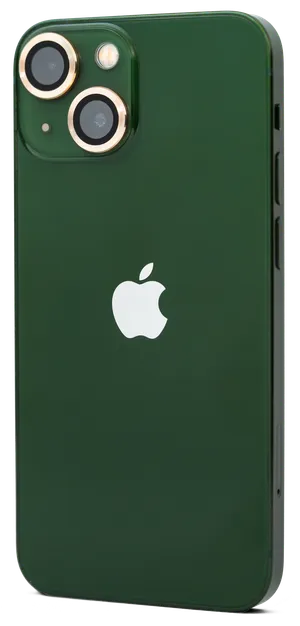
iPhone 13
Smaller notch, better battery, solid cameras. A genuinely nice upgrade that just doesn't have one defining moment people point to.
About iPhone 13
The standard model of Apple's iPhone 13 generation, offering improved battery life and camera performance over the iPhone 12.
- Released
- 2021
- Chip
- A15 Bionic
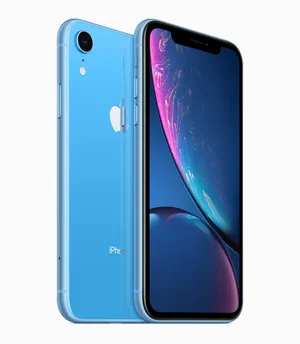
iPhone XR
The budget X with one camera instead of two and a Liquid Retina LCD instead of OLED. Came in fun colors and sold like crazy because most people couldn't tell the difference from the XS anyway.
About iPhone XR
Released in 2018 as the more affordable counterpart to the iPhone XS, using an LCD display instead of OLED but sharing the same A12 Bionic chip. It came in multiple bright color options and offered a single rear camera.
- Released
- 2018
- Chip
- A12 Bionic
- Display
- 6.1-inch Liquid Retina LCD
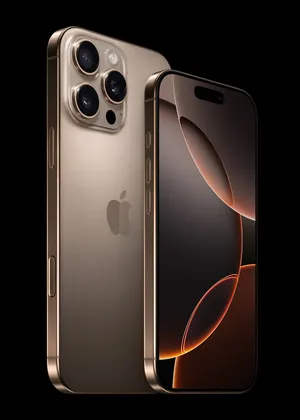
iPhone 16 Pro
Bigger screens, better zoom camera, and the new Camera Control button got a second chance to prove itself. A fine phone that feels like Apple catching its breath before the next real jump.
About iPhone 16 Pro
Apple's high-end flagship smartphone from the iPhone 16 generation, featuring the Pro camera system and premium build materials.
- Released
- 2024
- Chip
- A18 Pro
CC Tier: Fine but flawed
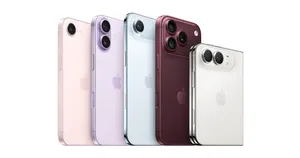
iPhone 15
USB-C came to the standard model, finally, and the Dynamic Island trickled down from the Pro line. Fine phone, but it mostly borrowed last year's Pro features instead of bringing anything new.
About iPhone 15
The standard model in Apple's iPhone 15 series, bringing the Dynamic Island feature from the Pro models to the mainstream lineup along with USB-C.
- Released
- 2023
- Chip
- A16 Bionic
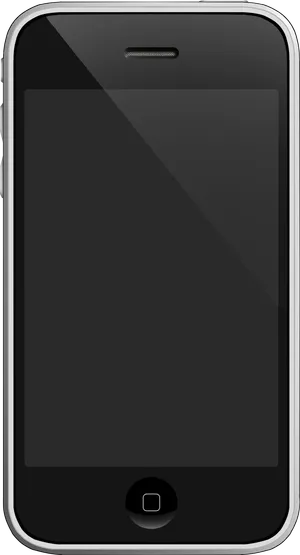
iPhone 3G
The App Store launched alongside it, which matters more historically than the phone itself. Plastic back felt like a downgrade and the 3G radios of the era were famously unreliable.
About iPhone 3G
Released in 2008, the iPhone 3G was the second-generation iPhone and the first to support 3G mobile data, as well as GPS. It launched alongside the App Store, which transformed the iPhone into a platform for third-party software.
- Released
- 2008
- Display
- 3.5-inch display
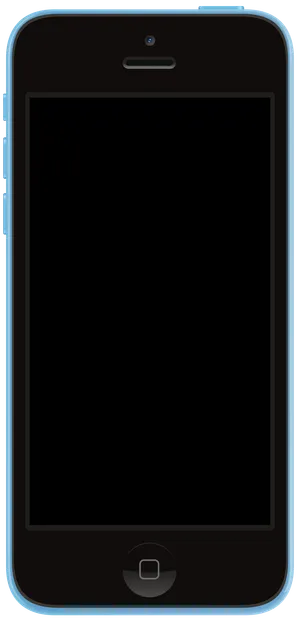
iPhone 5C
Plastic colorful shell wrapped around a phone that was really just an iPhone 5 in a costume. Apple positioned it as the budget option and fans never quite warmed to it, especially next to the 5S's Touch ID.
About iPhone 5C
Released in 2013 alongside the iPhone 5S, the 5C was a more affordable option with a colorful polycarbonate shell, built around the internals of the earlier iPhone 5. It was discontinued after one generation.
- Released
- 2013
- Chip
- A6
- Display
- 4-inch Retina LCD
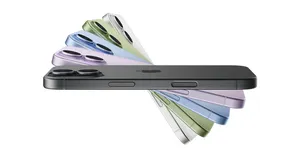
iPhone 17
Early leaks suggest another solid, iterative upgrade for the standard line without major surprises.
About iPhone 17
An unreleased standard model in Apple's iPhone 17 series, expected to succeed the iPhone 16 as the mainstream flagship option.
- Status
- Six unreleased iPhone models including the iPhone 18 lineup, iPhone Air 2, and iPhone Ultra
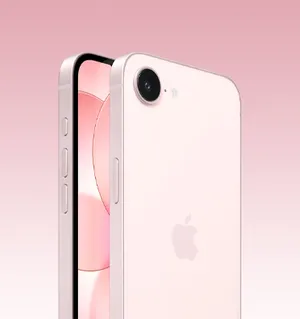
iPhone 17e
The budget SE successor, reportedly continuing Apple's push to retire the SE name in favor of lowercase-e branding. Should be a value play more than a showcase phone, similar to how the 16e landed.
About iPhone 17e
An unreleased budget-oriented iPhone rumored to follow the naming pattern of the iPhone 16e, expected to offer a lower-cost entry point into the iPhone 17 lineup.
- Status
- Six unreleased iPhone models appear in iOS 27 beta code, including the iPhone 18 lineup, iPhone Air 2, and foldable iPhone Ultra.
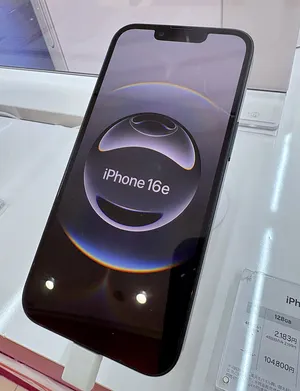
iPhone 16e
Replaced the SE line with a different naming scheme and a notch instead of Face ID's older cousin, Touch ID. Reasonable budget phone, but fans missed the SE name and the lower price point it used to represent.
About iPhone 16e
A budget-friendly iPhone model from Apple, released as a successor to the iPhone SE line, bringing newer design and chip technology at a lower price point.
- Released
- 2025
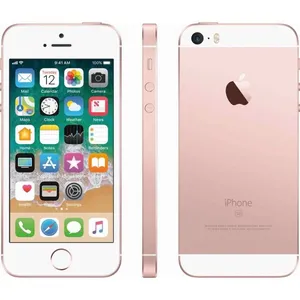
iPhone SE (1st generation)
A 5S body with 6S guts, built for people who refused to give up the small form factor. Great little phone, but it already looked dated the week it launched.
About iPhone SE (1st generation)
Released in 2016, the first iPhone SE combined the compact 4-inch body of the iPhone 5S with the internals of the iPhone 6S, offering flagship performance in a small, budget-friendly package. It became popular among users who preferred smaller phones.
- Released
- 2016
- Chip
- A9
- Display
- 4-inch Retina LCD
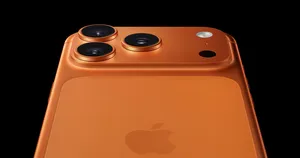
iPhone 17 Pro
History suggests Pro years land well.
About iPhone 17 Pro
An unreleased high-end iPhone expected as part of Apple's iPhone 17 generation, anticipated to feature Apple's latest chip and camera improvements.
- Status
- Unreleased
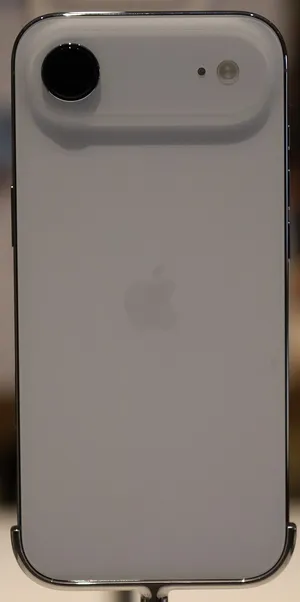
iPhone Air
An unusually thin design is the headline rumor here, trading battery and camera hardware for a slimmer body Bold idea on paper, but thin phones have a rocky track record industry-wide.
About iPhone Air
A rumored ultra-thin iPhone model said to be in development by Apple, positioned as a lighter alternative within the iPhone lineup.
- Status
- Rumored and unreleased iPhone models.
DD Tier: Skippable
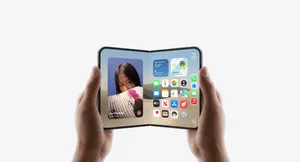
iPhone Duo
Dual-screen foldable device that has materialized as the iPhone Duo, announced in September 2026 Until there's real substance behind the leaks, this is more speculation than phone.
About iPhone Duo
A rumored dual-screen or foldable iPhone concept that has been the subject of speculation and leaks rather than an official Apple announcement.
- Status
- Unconfirmed/rumored
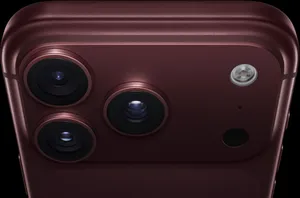
iPhone 18 Pro
So far out that ranking it is mostly guesswork based on Apple's usual yearly cadence. We'll revisit this once there's an actual spec sheet to argue about.
About iPhone 18 Pro
An unreleased future iPhone model expected from Apple as part of its upcoming lineup. Details remain unconfirmed as the device has not yet launched.
- Status
- Unreleased
FF Tier: The low points
iPhone 4S
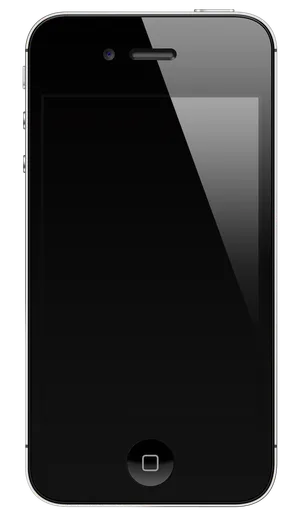
Looked identical to the 4 and launched the day before Steve Jobs passed away, which left the phone itself overshadowed by grief. Siri debuted here half-baked, and it felt like a placeholder more than a real upgrade.
About iPhone 4S
Released in 2011, the iPhone 4S kept the glass and steel design of the iPhone 4 but added the A5 chip and introduced Siri, Apple's voice assistant, for the first time.
- Released
- 2011
- Chip
- A5
- Display
- 3.5-inch Retina LCD
How we ranked them
We weighed design impact, how much each model moved the industry forward, longevity (did it age well or get embarrassing fast), value at launch, and how fans and critics talk about it in hindsight. Bugs, battery life, camera leaps and "did this change how we use phones" all factored in. Unreleased models are ranked on leaks, early impressions and pattern of past launches, with lower confidence noted where it matters.
Think we got it wrong?
Drag all 37 iphone models into your own tier list, then download the image or share a link.
Rank these yourselfFAQ
What is the best iPhone model of all time?
Fan and critic consensus usually points to the iPhone 4 or the iPhone X as the most influential designs, with the iPhone 6 as the biggest commercial turning point.
What is the worst iPhone model?
The iPhone 4S gets the most criticism for feeling like a minor, overshadowed update, though the iPhone 5C is often cited as Apple's biggest design misstep.
Which iPhone introduced Face ID?
The iPhone X introduced Face ID in 2017, replacing Touch ID and removing the home button for the first time.
Which iPhone is the best value for money?
The iPhone SE line, especially the 2nd generation model, is widely considered the best value for people who don't need the latest camera or screen tech.
More rankings
Image credits
- iPhone 4Photo: Justin14, CC BY-SA 3.0 (Wikimedia Commons) · License · Source
- iPhone XPhoto: Cullen Steber, CC BY-SA 4.0 (Wikimedia Commons) · License · Source
- iPhone 6Photo: Beamish4, CC BY-SA 4.0 (Wikimedia Commons) · License · Source
- iPhone (original)Photo: Rafael Fernandez, CC BY-SA 4.0 (Wikimedia Commons) · License · Source
- iPhone 13 ProPhoto: Grany29, CC BY 4.0 (Wikimedia Commons) · License · Source
- iPhone 3GSPhoto: Maurits90, Public domain (Wikimedia Commons) · Source
- iPhone SE (2nd generation)Photo: TheGoldenBox, CC BY-SA 4.0 (Wikimedia Commons) · License · Source
- iPhone 14 ProPhoto: Nishino Asuka, CC BY-SA 4.0 (Wikimedia Commons) · License · Source
- iPhone 12Photo: KKPCW, CC BY-SA 4.0 (Wikimedia Commons) · License · Source
- iPhone 15 ProPhoto: メイド理世, CC BY-SA 4.0 (Wikimedia Commons) · License · Source
- iPhone 5SPhoto: Ashok Govind, CC BY 2.0 (Wikimedia Commons) · License · Source
- iPhone 11Photo: Shinji, CC BY 2.0 (Wikimedia Commons) · License · Source
- iPhone 7Image: support.apple.com, © Apple · Source
- iPhone 6SPhoto: Raimond Spekking, CC BY-SA 4.0 (Wikimedia Commons) · License · Source
- iPhone 8Photo: Tinh tế Photo, CC0 (Wikimedia Commons) · License · Source
- iPhone 11 ProPhoto: Dllu, CC BY-SA 4.0 (Wikimedia Commons) · License · Source
- iPhone XSPhoto: Rafael Fernandez, CC BY-SA 4.0 (Wikimedia Commons) · License · Source
- iPhone SE (3rd generation)Photo: Hajoon0102, CC BY-SA 4.0 (Wikimedia Commons) · License · Source
- iPhone 16Photo: Olgierd Rudak, CC0 (Wikimedia Commons) · License · Source
- iPhone 12 ProPhoto: 茅野ふたば, CC BY-SA 4.0 (Wikimedia Commons) · License · Source
- iPhone 5Photo: Brett Jordan, CC BY 2.0 (Wikimedia Commons) · License · Source
- iPhone 14Image: apple.com, © Apple · Source
- iPhone 13Photo: DYVER, CC BY-SA 4.0 (Wikimedia Commons) · License · Source
- iPhone XRImage: apple.com, © Apple · Source
- iPhone 16 ProImage: apple.com, © Apple · Source
- iPhone 15Image: apple.com, © Apple · Source
- iPhone 3GPhoto: JoBot164, CC0 (Wikimedia Commons) · License · Source
- iPhone 5CPhoto: Rafael Fernandez, CC BY-SA 3.0 (Wikimedia Commons) · License · Source
- iPhone 17Image: apple.com, © Apple · Source
- iPhone 17eImage: apple.com, © Apple · Source
- iPhone 16ePhoto: Kyu3a, CC BY-SA 4.0 (Wikimedia Commons) · License · Source
- iPhone SE (1st generation)Photo: Alpat, CC BY-SA 2.0 (via Openverse) · License · Source
- iPhone 17 ProImage: apple.com, © Apple · Source
- iPhone AirPhoto: Ahmad Ali Karim, CC0 (Wikimedia Commons) · License · Source
- iPhone DuoImage: apple.com, © Apple · Source
- iPhone 18 ProImage: apple.com, © Apple · Source
- iPhone 4SPhoto: Zach Vega, CC BY-SA 3.0 (Wikimedia Commons) · License · Source