







Beatles Albums Tier List: All 13 Studio Albums Ranked
Ranking Beatles albums is basically a bar argument that never ends, and we're happy to add fuel. Here are all 13 UK studio albums, from the scrappy 1963 debut to the farewell nobody wanted, sorted into tiers based on where fans and critics actually land when you read enough forums, polls and reviews.
Some of this is settled science: two or three records sit above the rest for most people. Other spots are genuine fights. We picked a side each time and told you where the arguing happens. Now go ahead and tell us we're wrong.
The tier list
The community’s tier list fills in as members vote. It appears once 5 members have ranked or voted on these.
Think you can rank them better?
Make your own tier listFree account. Your ranking stays private unless you share it, and it counts toward the community tier list.Vote
SS Tier: The untouchables
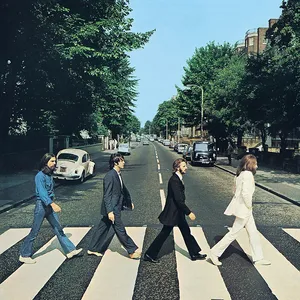
Abbey Road
The one where four guys who could barely stand being in a room together made their tightest, most polished record. That side-two medley, Golden Slumbers into Carry That Weight into The End, is the best closing stretch in their whole catalogue and arguably in rock.
About Abbey Road
Released in 1969, this was the last album the band recorded together, known for its production quality and the extended medley on side two.
- Released
- 1969
- Notable
- Side-two medley
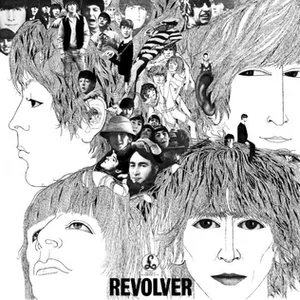
Revolver
This is the album where the Beatles stopped being a great pop band and became something else entirely. Tomorrow Never Knows sounds like it was beamed in from another decade, and Eleanor Rigby proved they didn't even need guitars to hit you hard.
About Revolver
Released in 1966, widely regarded as one of the band's most influential and experimental records, blending studio innovation with sharp songwriting.
- Released
- 1966
- Notable track
- Tomorrow Never Knows
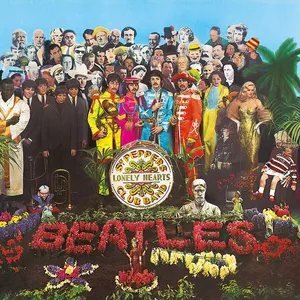
Sgt. Pepper's Lonely Hearts Club Band
Whether it's actually their best album is the eternal argument, but its impact isn't up for debate. A Day in the Life alone, with that orchestral crescendo and the famous final piano chord, changed what people thought an album could be.
About Sgt. Pepper's Lonely Hearts Club Band
Released in 1967, this concept-ish album became a cultural landmark for its production ambition and orchestral arrangements.
- Released
- 1967
- Notable track
- A Day in the Life
AA Tier: Genuinely great records
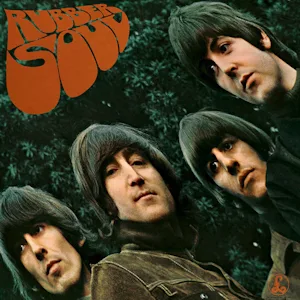
Rubber Soul
The turning point record, where Dylan and folk and a bit of weed pushed Lennon and McCartney into writing actual songs about actual feelings. In My Life and Norwegian Wood still sound like nothing else from 1965.
About Rubber Soul
Released in 1965, this album marked a major songwriting leap influenced by folk and Bob Dylan, moving the band toward more introspective material.
- Released
- 1965
The White Album
Officially titled just 'The Beatles,' and it's a sprawling, messy, brilliant double album that proves the band was starting to splinter into four solo artists sharing one sleeve. Trim the fat and it's a masterpiece; as is, it's a fascinating mess that fans will defend or attack depending on their mood.
About The White Album
Officially self-titled, this 1968 double album sprawls across nearly every genre the band touched, reflecting the members' increasingly separate creative directions.
- Released
- 1968
- Format
- Double album
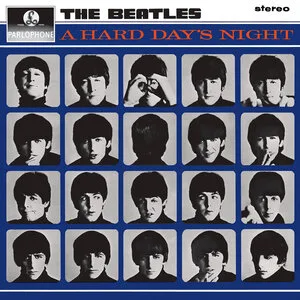
A Hard Day's Night
Every song written by Lennon and McCartney, no covers, no filler, which was unheard of in 1964. The title track's opening chord alone earns this a spot near the top.
About A Hard Day's Night
The soundtrack to the band's first film, released in 1964, and the first Beatles album made up entirely of Lennon-McCartney originals.
- Released
- 1964
- Notable
- All songs written by Lennon-McCartney
BB Tier: Really good, just not top shelf
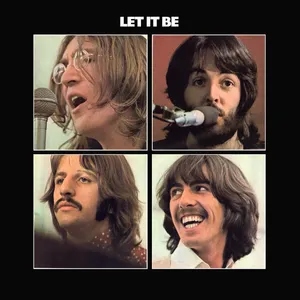
Let It Be
Troubled birth, Phil Spector's syrupy strings slathered over Let It Be and The Long and Winding Road, and a band that had already broken up by the time it came out. Still, Get Back and Two of Us are proof the songwriting never really dipped.
About Let It Be
Released in 1970 after the band had already split, built from the troubled Get Back sessions and produced with added orchestration by Phil Spector.
- Released
- 1970
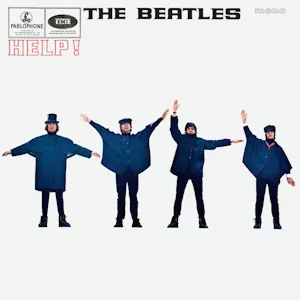
Help!
Half soundtrack filler, half genuine leap forward. Yesterday shows up here, quietly rewriting what a pop song could be, and the title track is Lennon at his most nakedly honest.
About Help!
The soundtrack to the band's second film, released in 1965, notable for introducing Yesterday, one of the most covered songs in history.
- Released
- 1965
- Notable track
- Yesterday
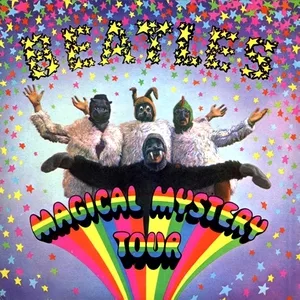
Magical Mystery Tour
The film was a mess, but the US version of this record stacks I Am the Walrus, Strawberry Fields Forever and Penny Lane together, which is a ridiculous run of songs for one tracklist, cobbled together or not.
About Magical Mystery Tour
Tied to a 1967 TV film, released as a full-length album in the US combining the film's songs with contemporary singles like Strawberry Fields Forever and Penny Lane.
- Released
- 1967
CC Tier: Solid but uneven
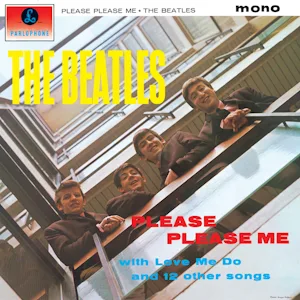
Please Please Me
Recorded in basically a single day, and you can hear the rush and the energy in every track. Twist and Shout at the end is John Lennon shredding his throat for rock and roll, in the best way.
About Please Please Me
The Beatles' debut studio album, released in 1963, recorded in a single day aside from the earlier singles. It captures the band's raw live energy before the studio experimentation began.
- Released
- 1963
- Closing track
- Twist and Shout
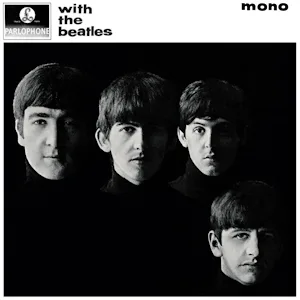
With the Beatles
A quick follow-up that leans hard on covers, but originals like All My Loving show the songwriting was already getting sharper. It's a transitional record, and it sounds like one.
About With the Beatles
The band's second album, released later in 1963, mixing originals with American R&B and Motown covers. It was a huge seller in the UK during the first wave of Beatlemania.
- Released
- 1963
DD Tier: For completists mostly
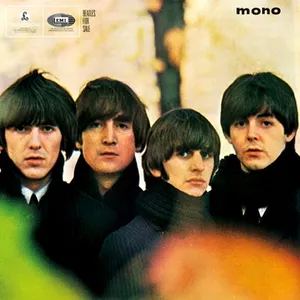
Beatles for Sale
A tired band on a relentless schedule, padding out the tracklist with covers because there wasn't time to write enough new songs. No Reply and I'm a Loser hint at the more personal songwriting to come, but the record as a whole feels like a band running on fumes.
About Beatles for Sale
Released at the end of 1964 under heavy touring and recording pressure, mixing new originals with several covers.
- Released
- 1964
FF Tier: Only for the diehards
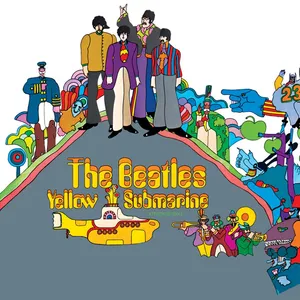
Yellow Submarine
Half an album, really, with only a handful of new Beatles songs padded out by George Martin's orchestral score for the film. Fine for soundtrack completists, but nobody is reaching for this one over anything else on this list.
About Yellow Submarine
A 1969 release tied to the animated film, containing only a handful of new Beatles songs alongside an orchestral score by George Martin.
- Released
- 1969
How we ranked them
We leaned on the broad consensus from decades of fan polls, critic rankings and forum debates, then weighed in ourselves where opinion splits hardest. Factors: songwriting quality and consistency, ambition and influence, how well the album holds up as a listen front to back, and its place in the band's own evolution. Soundtrack cash-ins get judged a little differently than proper studio statements.
Think we got it wrong?
Drag all 13 beatles albums into your own tier list, then download the image or share a link.
Rank these yourselfFAQ
What is the best Beatles album according to fans and critics?
Abbey Road, Revolver and Sgt. Pepper's Lonely Hearts Club Band are the three most commonly cited as their best, with Abbey Road and Revolver edging ahead in most modern critic polls.
What is considered the worst Beatles album?
Yellow Submarine is usually ranked last since it's more a film soundtrack padded with orchestral score than a true studio album, with only a few new Beatles songs on it.
Is Rubber Soul or Revolver better?
This is one of the most debated questions among Beatles fans. Revolver tends to edge out slightly in critic rankings for its experimentation, but Rubber Soul has just as many passionate defenders for its songwriting.
How many studio albums did the Beatles release?
The Beatles released 13 studio albums in the UK between 1963 and 1970, the ranking used on this page.
Why is the White Album ranked below Abbey Road and Revolver here?
The White Album has incredible highs but is a sprawling double record with a lot of filler and genuine inconsistency, while Abbey Road and Revolver are tighter front-to-back listens.
More rankings
Image credits
- Abbey RoadPhoto: John Kosh / Iain Macmillan, Public domain (Wikimedia Commons) · Source
- RevolverCover: Wikipedia · Source
- Sgt. Pepper's Lonely Hearts Club BandPhoto: Peter Blake / Parlophone, Capitol Records, Public domain (Wikimedia Commons) · Source
- Rubber SoulCover: Wikipedia · Source
- The White AlbumPhoto: Beat 768, Public domain (Wikimedia Commons) · Source
- A Hard Day's NightCover: Wikipedia · Source
- Let It BePhoto: Apple Records, Public domain (Wikimedia Commons) · Source
- Help!Cover: Wikipedia · Source
- Magical Mystery TourCover: Wikipedia · Source
- Please Please MeCover: Wikipedia · Source
- With the BeatlesCover: Wikipedia · Source
- Beatles for SaleCover: Wikipedia · Source
- Yellow SubmarinePhoto: Heinz Edelman, Public domain (Wikimedia Commons) · Source